
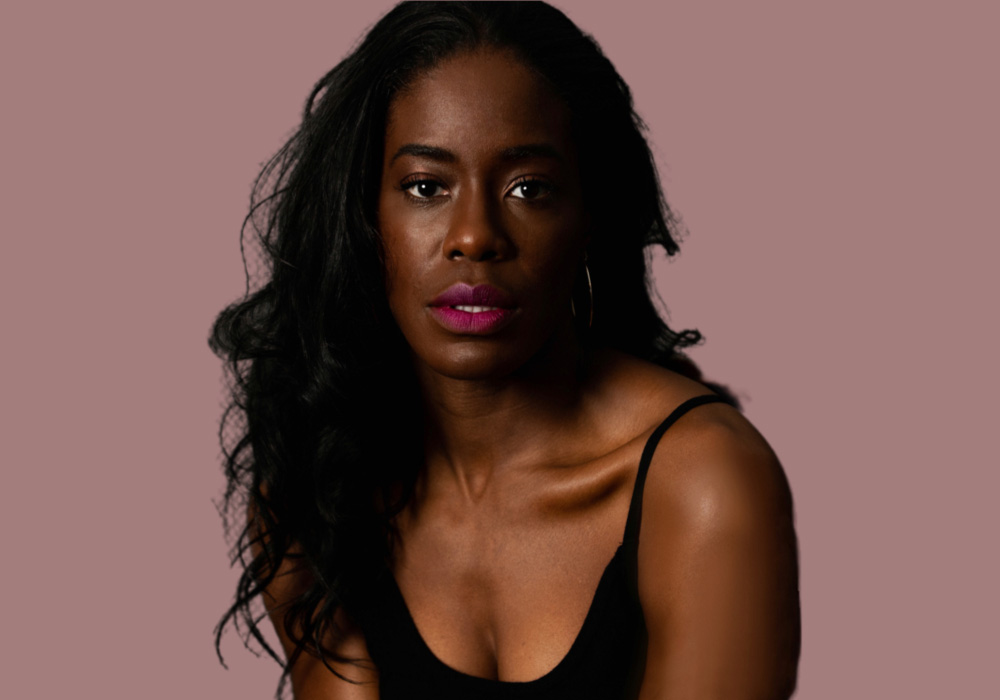
A Christmas Carol as a “heart forward” ritual anchors a wide-ranging conversation with Allison Edwards-Crewe on artistic craft, the discipline of a triple-threat practice, and the responsibilities that come with carrying classic work today. Together, the discussion explores representation as a structural commitment rather than a gesture, reflecting on Canadian theatre’s evolving audiences, institutions, and the next era being shaped on stage and behind the scenes.
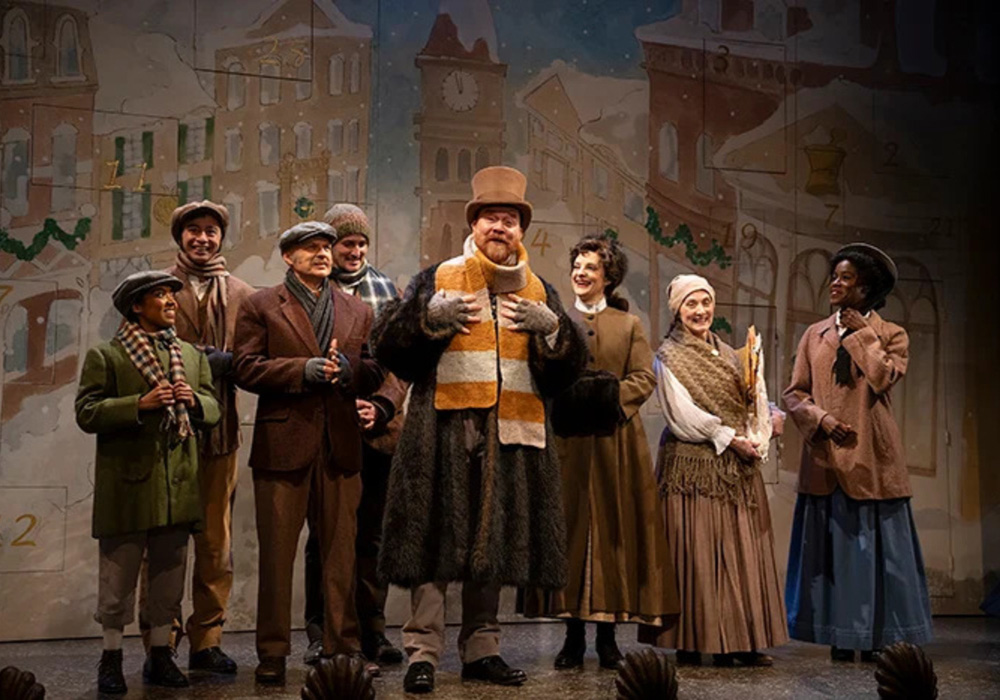
Shaw Festival’s A Christmas Carol has become a holiday tradition in Niagara-on-the-Lake, and 2025 marks its final season at the Royal George Theatre, ahead of the venue’s next chapter. In this interview, Allison Edwards-Crewe, in her second season at Shaw, breaks down how her “triple threat” training continues to shape her choices, why this production lands differently in a post-pandemic reality, and how representation must extend beyond casting into design, operations, and leadership.
Conversation highlights
This episode moves between personal craft and sector-wide reflection, with Allison offering grounded examples from rehearsal rooms, classical text work, and audience interactions. Key moments include:
- Triple threat identity as a lifelong practice: training, joy, and staying ready even when a skill is not currently “paid” work.
- A Christmas Carol as a story of transformation that speaks to 2025 questions about money, family, connection, and community.
- The Royal George Theatre’s farewell season, and what historic spaces teach us about theatrical intimacy and human connection.
- Inclusive theatre as a whole ecosystem, including hair and makeup literacy, lighting design that understands skin tone, and broader pathways beyond acting.
- A call to move beyond adaptation, toward a broader canon of “classics” that reflects Canada’s multicultural realities.
Topics covered
Before you press play, here is a snapshot of the ground Allison and Meres cover, from the stagecraft details of this holiday production to the bigger questions shaping Canadian theatre right now:
- Training in musical theatre and keeping multiple disciplines alive
- The emotional logic of Scrooge’s change, and why it resonates now
- Puppetry, sing-alongs, and audience energy as part of the performance experience
- Performing in a historic venue during a farewell season
- Representation on stage and throughout production departments
- “Smart casting” and the creative possibilities it unlocks
- Preparing for roles that hold trauma, and the discipline of self-care
- Shakespeare and classical text as an ongoing puzzle, not a finished achievement
- The Black Pledge and structural commitments in live performance
- Future hopes for global classics, Canadian classics, and expanded canon-building
Selected quotes with timestamps (by theme)
Craft, training, and the triple threat mindset
“I went to school for musical theatre… I keep them all alive, even if I’m not being paid necessarily to use them.” [00:02:31 – 00:03:47]
“A lot of people are surprised… very few of them know that I went to school for musical theatre.” [00:02:31 – 00:03:27]
A Christmas Carol, transformation, and why it hits in 2025
“This production is really heartfelt… It’s really about the transformation that Scrooge goes through.” [00:05:04]
“We’re kind of out of our COVID… trying to figure out what are the things that are important.” [00:05:04 – 00:06:02]
“There’s a great sing-along portion… It’s so rare in 2025 [to] sing as a group unless you’re in church.” [00:06:18 – 00:07:13]
The Royal George farewell, theatre history, and accessibility
“It’s beautiful, and it’s sad, and it’s really lovely…” [00:07:31]
“This space really calls you to the simplicity of theatre, the simplicity of connection.” [00:07:31 – 00:08:32]
“It is not the most accessible space… being able to have people regardless of their mobility… is really exciting.” [00:08:32 – 00:09:28]
Representation, “smart casting,” and building full inclusion
“It’s very hard to think of doing something if you’ve never seen anyone who looks like you do it.” [00:10:02]
“We have always existed as artists… but the lens was not wide enough to take us in.” [00:16:49]
“If you can’t see people of colour in your plays, you lack creativity.” [00:17:40]
“I’m… excited for when the designers… the lighting ops, the front of house… [reflect] a multicultural experience through every facet of the arts.” [00:18:29 – 00:19:32]
“It really makes a difference to be lit by someone who understands skin tone… It’s about education.” [00:21:21 – 00:21:56]
Black stories, emotional labour, and taking care of the artist
“I feel so lucky… to get to do The Color Purple… to tell those stories and also see myself.” [00:25:02 – 00:25:54]
“Those are… challenging, heartbreaking, personal work. That costs you on a physical and an emotional level.” [00:26:46 – 00:28:08]
“I really do believe in generational trauma… do I still need that now? Maybe not.” [00:29:44 – 00:30:33]
Shakespeare, classics, and expanding the canon
“Classical theatre to me is the biggest puzzle.” [00:32:19]
“You’re never going to leave the stage and be like, I got it.” [00:33:18]
“I don’t believe that anything was just given to me… I’ve really worked hard…” [00:35:36]
“I’m hoping that we move beyond adaptation… where are the classic texts everywhere in the world… considering especially in Canada that we are from everywhere in the world.” [00:44:38 – 00:46:10]
About the guest
Allison Edwards-Crewe is a Brampton-born, Toronto-based actor trained in Sheridan College’s Bachelor of Music Theatre Performance program. A versatile “triple threat” performer, she has appeared at major Canadian institutions including Shaw Festival and Stratford Festival, and her stage credits span productions such as Cymbeline (Innogen), Little Women (Jo March), Les Belles-Soeurs (Pierrette), School Girls; Or, The African Mean Girls Play, How Black Mothers Say I Love You, and The Color Purple. On screen, her credits include The Handmaid’s Tale.
- Official website: allisonecrewe.ca
- Instagram: @alllisonec
- X: @allisonecrewe
About the show and context discussed
Shaw Festival’s A Christmas Carol (2025)
Shaw Festival’s A Christmas Carol runs at the Royal George Theatre from November 1 to December 21, adapted for the stage and directed by Tim Carroll. The production features music, audience participation moments, and puppetry elements that bring the story’s emotional journey and theatrical playfulness to the forefront.
The Black Pledge
Allison also references The Black Pledge, a Canada-wide call and set of commitments aimed at long-term structural change across live arts spaces, focused on dismantling anti-Black racism and improving conditions for Black artists and arts workers.