

Toronto's nonprofit sector runs on the vision and labour of Black women leaders who are redefining what community service looks like. From arts and mental health to civic engagement and youth empowerment, these women are driving meaningful change across the city. Despite operating on smaller budgets, their organizations reach large numbers of people, reflect greater diversity, and produce outsized results. Their work builds a more equitable Toronto, one program, one mentorship, and one community initiative at a time.
Toronto's nonprofit sector is a formidable force for social good, and Black women occupy a central place in its most vital, innovative, and community-driven organizations. Across the city, these leaders are breaking systemic barriers, developing bold programming, and uplifting communities that have long faced structural disadvantage. Their reach is wide, and their impact is deep, spanning youth empowerment, mental health equity, housing advocacy, arts and culture, sexual violence prevention, civic engagement, and more. Yet many people outside the sector remain unaware of the full scope of what Black women leaders are building, sustaining, and transforming within Toronto's nonprofit ecosystem.
Understanding their true impact means going beyond the organizations they run. It means recognizing the distinct leadership philosophies they bring, the structural obstacles they overcome daily, and the deliberate legacies they are cultivating for the next generation of Black leaders. As Toronto becomes more diverse with each passing year, the contributions of Black women in the nonprofit world grow ever more critical to shaping an equitable, responsive, and culturally rich city where every voice is heard and respected.
The landscape of Toronto's nonprofit sector
Toronto is home to thousands of nonprofit organizations, employing hundreds of thousands of people and mobilizing volunteers across the city. Canadian nonprofits contributed $216.5 billion to the economy in 2022, equivalent to 8.2% of GDP. These organizations span a wide range of causes, from poverty reduction and education to mental health, environmental justice, housing, and cultural preservation. The sector's scale is impressive, but its full power lies in the depth of the communities it serves.
Within this landscape, Black women have emerged as visionaries and changemakers. Their path, however, is rarely smooth. Funding disparities, unconscious or overt bias in leadership spaces, and the challenge of advocating for communities whose voices are consistently underrepresented in mainstream systems are all part of the daily reality. Even so, Black women leaders continuously deliver powerful results, foster new talent, and inspire others to step forward. Their resilience is foundational to the sector's strength.
Notable Black women leading change in Toronto
Several Black women have become well-known within Toronto's nonprofit community. Their stories are as diverse as the causes they champion, and together they represent the full breadth of what Black-led leadership looks like in this city. The following profiles offer a window into the work of some of these remarkable leaders.

Monica Samuel is the founder and Executive Director of Black Women in Motion (BWIM), which she established in January 2013 after spending several years doing youth engagement and community development work in Toronto's Jane and Finch neighbourhood. The organization grew directly from her experience working with young Black women and girls through an after-school program at Black Creek Community Health Centre called the Butterfly Project. When that program was defunded, Samuel recognized the urgent need for a permanent, dedicated space built specifically by and for Black women. As she has described it, the motivation was both personal and political: a deep conviction that Black women and 2SLGBTQ+ survivors of gender-based violence deserved services that centred their intersectional, layered lived experiences.
A Toronto-based, survivor-led grassroots organization, BWIM empowers Black women, girls, non-binary and gender-non-conforming survivors of gender-based violence. Operating within an anti-racist, intersectional feminist, and trauma-informed framework, BWIM delivers healing spaces, educational programs, and economic opportunities for Black survivors across the city. Its programming spans consent education, mental health support, the Black Youth Employment Assistance Program, the Black Peer Education Network, and the Crystals & Sage Wellness Initiative. Samuel herself is an equity and anti-violence educator, consultant, and social entrepreneur whose work has reached dozens of organizations and academic institutions across Canada. She was recognized in 2019 as one of Canada's Top 100 Black Women to Watch, a distinction that reflects both her impact and the growing recognition of BWIM as a model for survivor-centred, community-rooted service delivery.

Ngozi Paul is the founder and Celebrator-in-Chief of FreeUp!, a Canadian organization she co-created in 2017 with the mission of raising awareness of Emancipation Day and centring Black liberation through the power of artistic expression. What began as a Toronto open-mic event has since grown into a national platform featuring young changemakers and Black, Indigenous, and racialized artists performing music, poetry, dance, and theatre that explore what freedom genuinely means in a Canadian context.
Born and raised in Toronto to Pan-African parents from the Caribbean, Paul is also an award-winning actress, writer, director, and producer whose career spans the Stratford Festival, the Sundance Film Festival, and the co-creation of the groundbreaking television series Da Kink in My Hair. She is also the founder of Emancipation Arts, a multi-platform production studio committed to telling stories that showcase the diversity of human experience. Through Emancipation Arts, Paul produced the FreeUp! Emancipation Day specials in partnership with CBC, broadcast nationally on CBC and CBC Gem, and earned a Canadian Screen Award nomination for Best Performing Arts Program. Her work consistently bridges arts and social justice, making space for new and necessary narratives around Black Canadian identity, collective memory, and belonging.

Kike Ojo-Thompson is the founder of the KOJO Institute, a Toronto-based equity consultancy she established in 1998 with a mandate to move organizations beyond diversity buzzwords and toward genuinely equitable cultures and outcomes. Over more than two decades, the Institute built a reputation as one of Canada's most rigorous equity consulting practices, delivering customized training, organizational consulting, stakeholder engagement, coaching, and keynote work to clients across the public and private sectors. Its reach spanned housing and income, education, child welfare, criminal justice, post-secondary institutions, and community development, with notable clients including TD Bank, United Way, and major school boards across Ontario.
In a significant milestone for the field, the KOJO Institute joined Deloitte Canada in 2024, where Ojo-Thompson served as a Partner in the Human Capital practice from September 2024 to January 2026. As the official announcement stated, the move was driven by a recognition of an opportunity to further revolutionize equity consulting at scale. For Ojo-Thompson, it represented a natural evolution: the same frameworks and bespoke strategies she developed independently are now being deployed through one of the world's largest professional services firms, reaching a broader range of organizations across Canada and internationally. Now as an Executive Advisor, her influence continues to extend across boardrooms, educational institutions, and community spaces, a testament to what principled, community-rooted equity work can ultimately achieve.
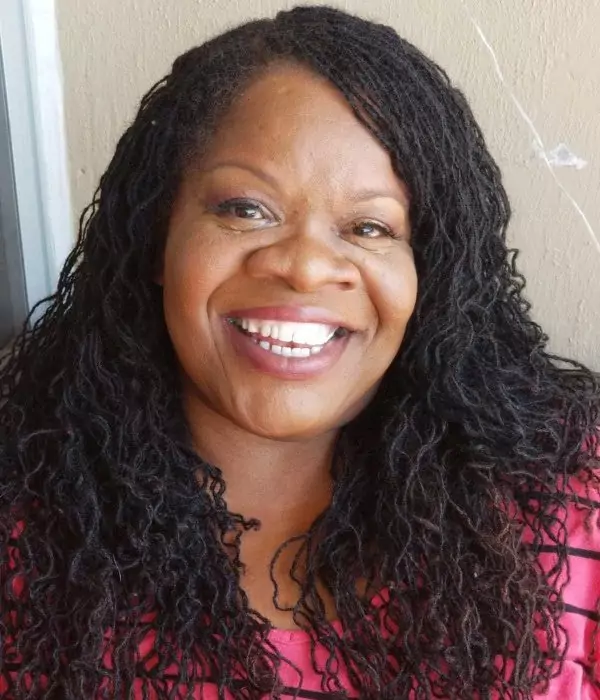
Kimberly Cato is the Founder and CEO of True Roots Counselling Services, a practice she first established in 1996, with a mandate to address struggles within the communities she serves. A Registered Psychotherapist with more than 25 years of experience, Cato spent decades providing psychoeducational support across a range of institutional settings, including Children's Aid Society, long-term care facilities, community hospice, and the Canadian Mental Health Association. Through that work, she observed a stark and consistent gap: the overwhelming majority of therapeutic resources, services, and supports had been designed by and for non-racialized individuals, leaving Black and racialized people largely outside the mental health healing space.
In 2015, Cato shifted her focus entirely to True Roots and began building a culturally adapted therapeutic framework to address the racialized, intergenerational, and untreated trauma she had witnessed and personally experienced within Black and BIPOC communities. Drawing on the work of scholars including Dr. Joy DeGruy (Post Traumatic Slave Syndrome) and Resmaa Menakem (My Grandmother's Hands), she developed a practice rooted in ancestral wisdom, somatic abolitionism, and evidence-based care. True Roots now offers individual, couples, family, and group therapy through a trauma-informed, anti-racist, and anti-oppression lens, with the guiding philosophy of transforming trauma into triumph. Beyond her direct clinical work, Cato serves as Chair of the Executive Committee and Co-Chair of the Equity, Diversity and Inclusion Committee at the Ontario Society of Registered Psychotherapists, where she has been instrumental in embedding EDI principles into the governance and professional development of the province's psychotherapy sector.
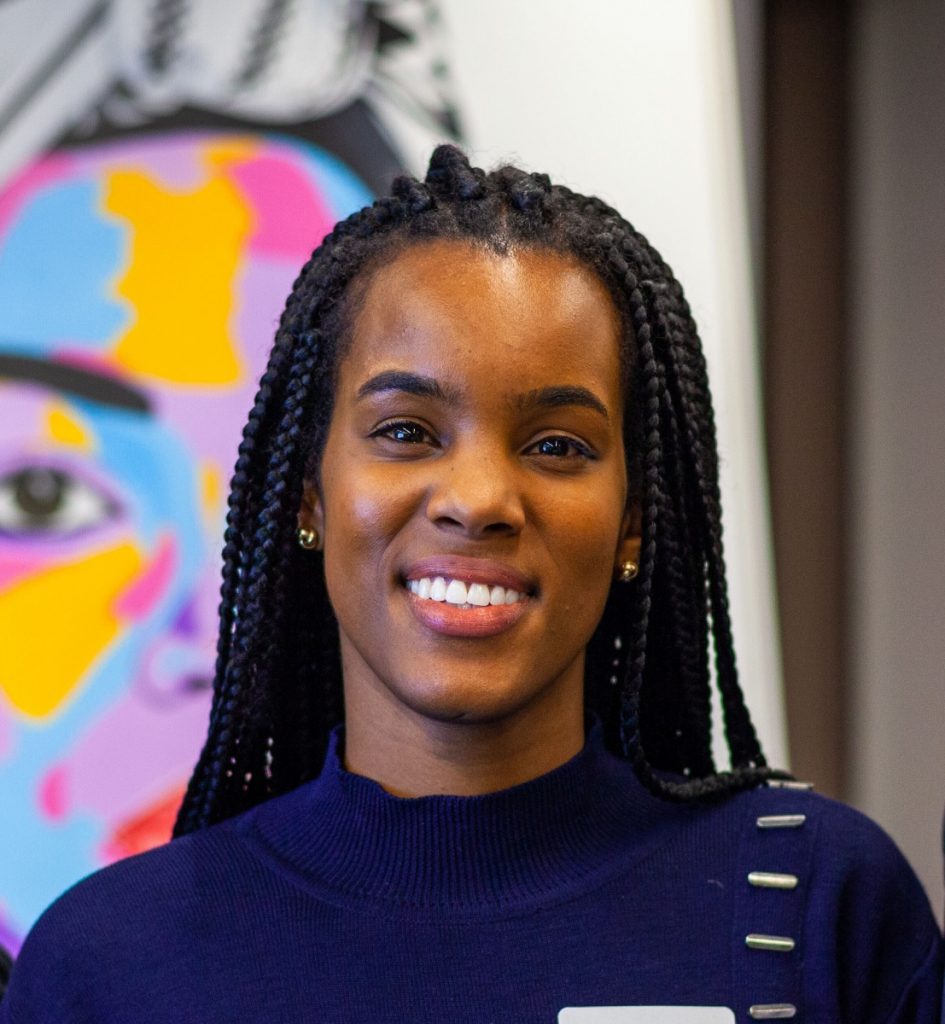
Alica Hall is the Executive Director of the Nia Centre for the Arts, Canada's first professional multidisciplinary Black arts centre, located in historic Little Jamaica at 524 Oakwood Avenue. Her connection to the organization predates her leadership role. As a young staffer at Youth Challenge Fund, she was in the room when the idea for Nia Centre first took shape, an experience that ultimately drew her back as Executive Director in 2018.
Since then, Hall has transformed a grassroots organization into a fully realized cultural institution. She doubled the operating budget and led a $12 million capital campaign to fund a three-storey renovation of the Centre's home at 524 Oakwood Ave. Funding came from a combination of private donors, including the Hilary and Galen Weston Foundation, the Federal Department of Canadian Heritage, and the City of Toronto. The redesigned space draws on diaspora aesthetics throughout, with corrugated metal, brass fixtures, and wood finishings inspired by the baobab tree. The 14,000-square-foot facility opened in November 2023 and houses a 150-seat performance theatre, a digital media studio, a contemporary art gallery, artist studios, and a dedicated youth hub. In the same year, the Toronto Arts Council honoured the Centre with its Arts for Youth Award. For Hall, the space is a deliberate act of cultural infrastructure, a vessel for Black culture and a year-round gathering place for Black artists.
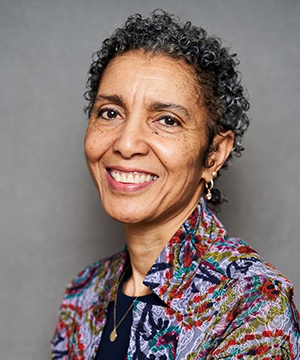
Cassandra Dorrington is the President and CEO of the Canadian Aboriginal and Minority Supplier Council (CAMSC), a national non-profit founded in 2004 with a mandate to advance the economic strength of Indigenous and visible minority communities through business development and procurement access. Under her leadership, CAMSC has grown significantly since its founding in 2004, certifying hundreds of Aboriginal and minority-owned suppliers and connecting them to a network of major Canadian corporations committed to inclusive procurement. Since its inception, corporate members have collectively directed billions of dollars in spend toward CAMSC-certified businesses.
A former HR consultant and president of Vale & Associates, Dorrington brings deep experience in both the corporate and entrepreneurial worlds to her advocacy work. She co-founded Supplier Diversity Alliance Canada (SDAC) and the Global Supplier Diversity Alliance (GSDA), building cross-sector coalitions that push inclusion into procurement practices at every level of industry and government. She sits on the Supplier Advisory Council for Public Services and Procurement Canada, the 50-30 Challenge Advisory Board, the Federation of African Canadian Economics, and the Dalhousie University Board of Governors. Named one of Atlantic Business Magazine's 25 Most Powerful Women in 2021, Dorrington has consistently used her platform to open doors for Black and minority entrepreneurs, helping them move from the margins of the marketplace into its mainstream.
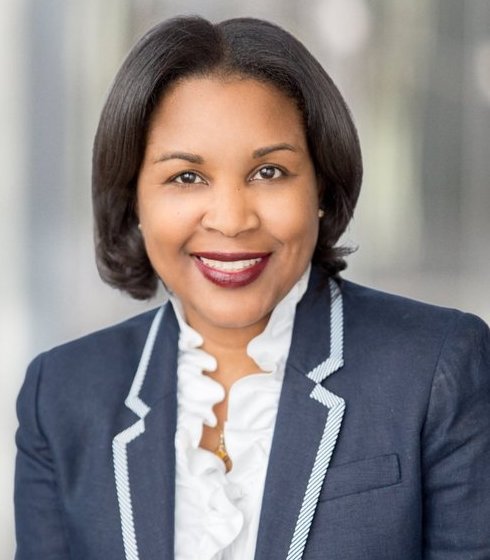
Velma Morgan is Chair of Operation Black Vote Canada (OBVC), a non-profit, multi-partisan organization established in 2004 with a mandate to increase Black Canadian participation in electoral politics, from the ballot box to the candidate podium. Before taking on the Chair role, Morgan spent more than a decade in the Ontario provincial government, advising Cabinet Ministers across five ministries. In that capacity, she worked to ensure that the voices of marginalized communities shaped government policy and communications, while building collaborative ties between racialized communities, youth, and government institutions.
As Chair of OBVC, Morgan has been the driving force behind some of Canada's most significant milestones in Black civic engagement. She architected the first-ever Black Community provincial leaders' debate, the Black Women's Political Summit, and the Next Generation Political Summit, events that have elevated Black political visibility across municipal, provincial, and federal levels. She also co-created the 1834 Fellowship, an intensive one-year civic leadership and public policy training program delivered in partnership with Brock and Toronto Metropolitan Universities, designed specifically for Black Canadians aged 18 to 25. The fellowship's name honours 1834, the year slavery was abolished across the British Empire, including in Canada. Morgan's vision for the program is straightforward: if the goal is to have Black Canadians shaping policy, the pipeline must be built deliberately, and it must start now.
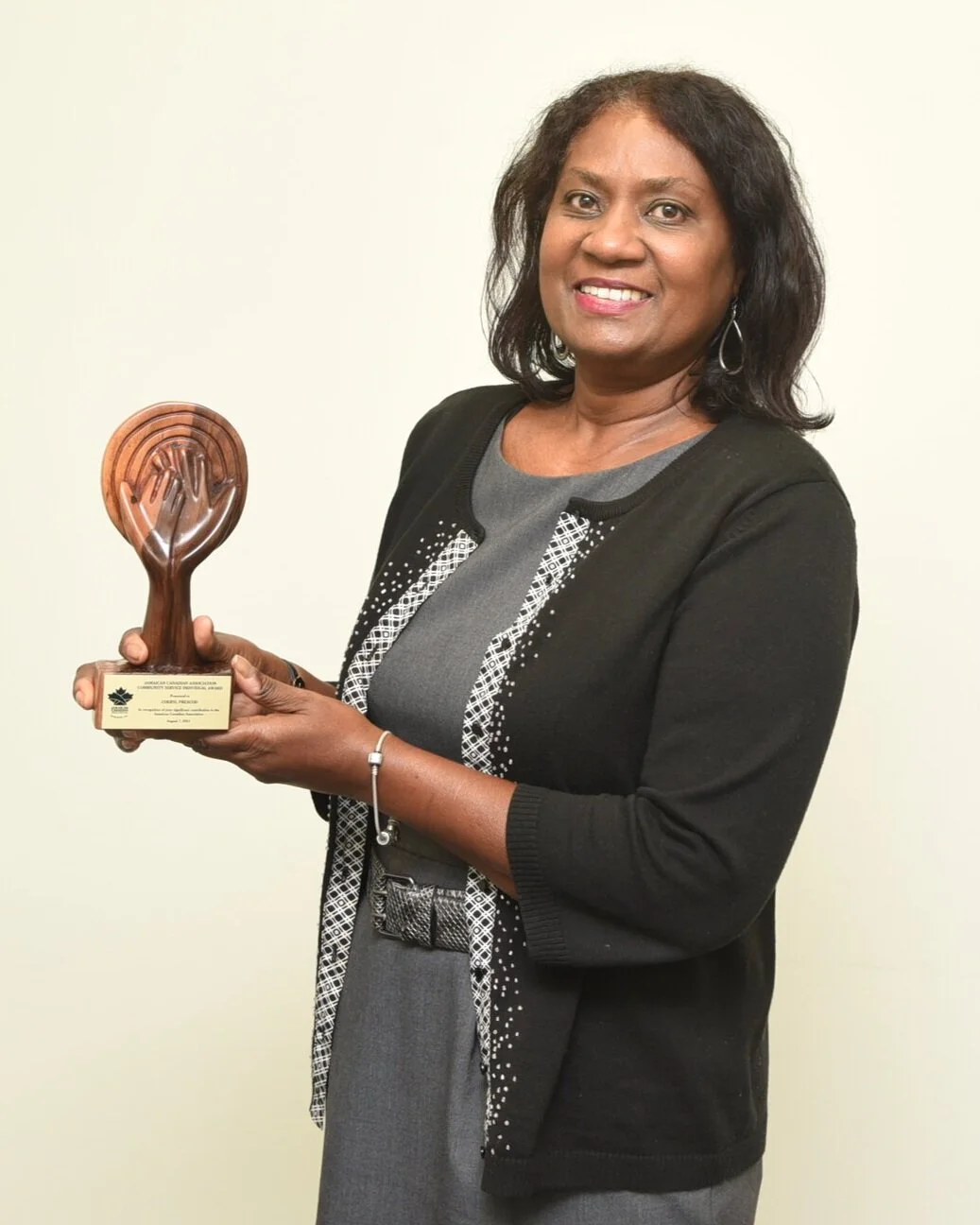
Cheryl Prescod is the Executive Director of Black Creek Community Health Centre (BCCHC), a community health organization serving one of Toronto's most diverse and underserved neighbourhoods. A scientist by training with degrees from the University of Toronto and the University of Ottawa, Prescod joined BCCHC in 1999 and has led the organization since 2011, also holding a Master's in Healthcare Management from the Schulich Executive Education Centre and a Strategic Perspectives in Non-Profit Management certificate from Harvard Business School.
Under her leadership, BCCHC has become a frontline model for culturally responsive care in Black and racialized communities. During the COVID-19 pandemic, Prescod was instrumental in setting up community-based testing centres and vaccine pop-up clinics across northwest Toronto, helping to distribute approximately 50,000 first doses through partnerships with the Jamaican Canadian Association and other community organizations. Her advocacy pushed health systems to confront systemic racism and income disparity as root causes of health inequity, not simply as background context. As she has said, some communities face higher rates of chronic disease because of a lack of access to nutritious food, safe employment, and affordable housing, and that is a structural problem the healthcare system cannot afford to ignore. Prescod's work consistently demonstrates that equitable health outcomes require meeting communities where they are, with providers who look like them and institutions they can trust.
Distinct approaches to leadership
Black women bring recognizable, community-rooted leadership styles to Toronto's nonprofit sector. While every leader is unique, certain themes emerge repeatedly across Black-led organizations, reflecting values that are both philosophically distinct and practically effective. These approaches help explain why Black women-led groups consistently punch above their weight in terms of reach and community trust.
- Community-centred decision-making: Many Black women leaders prioritize listening to their community before acting. This bottom-up model ensures that programs remain relevant, culturally responsive, and genuinely reflective of community needs.
- Intersectional analysis: These leaders consistently consider how race, gender, class, disability, and other factors interact in people's lives. That awareness translates into more inclusive programming and advocacy that addresses the whole person.
- Mentorship as culture: Rather than gatekeeping, these featured leaders actively create pathways for others to rise. Mentorship is woven into the organizational fabric of many Black-led nonprofits, from paid internships to formal leadership academies.
- Collaboration over competition: In a sector often marked by scarcity, Black women leaders tend to build alliances across organizations, choosing community strength over institutional rivalry.
These approaches have helped Black women leaders earn deep trust, particularly within communities that have good reason to be skeptical of mainstream institutions. The result is a distinctive kind of organizational credibility that is difficult to build and impossible to fake.
Representation and impact: What the data shows
Representation matters, especially in a city as multicultural and complex as Toronto. Data reveals, however, that Black women remain significantly underrepresented in senior nonprofit leadership. According to a 2022 sector survey, only five per cent of executive directors in major Toronto nonprofits are Black women, even though Black communities represent more than eight per cent of the city's population.
Despite that gap, the impact of Black women-led organizations far exceeds what their numbers might suggest. The table below compares key indicators across organization types.
| Organization type | Average annual budget | Communities served per year | Leadership diversity |
|---|---|---|---|
| Black women-led | $250,000 | 4,500 | 90% BIPOC |
| Other BIPOC-led | $320,000 | 3,800 | 75% BIPOC |
| White-led | $600,000 | 3,200 | 20% BIPOC |
Source: 2022 Toronto nonprofit sector survey data. BIPOC = Black, Indigenous, and People of Colour.
This data tells a clear story. Black women-led organizations typically operate on smaller budgets than their peers, yet serve more people and maintain far greater diversity in their leadership and staff. This speaks directly to their efficiency, their community embeddedness, and the trust they have built over years of consistent, culturally grounded service.
Overcoming barriers
Black women leaders face structural challenges that their white counterparts rarely encounter in the same way. Understanding these barriers is essential to understanding why equitable investment in Black women-led organizations matters. The most common hurdles are as follows.
- Funding inequity: Black women-led organizations consistently receive less funding than comparable groups. Grantmakers sometimes lack awareness of or confidence in Black-led initiatives, leading to smaller grants, shorter funding cycles, and more restrictive reporting requirements.
- Tokenism: Black women are sometimes invited onto boards or into leadership spaces as symbolic representation without real decision-making authority. This dynamic is frustrating and exhausting, contributing to high burnout rates.
- Emotional labour and burnout: Leading under-resourced organizations while simultaneously managing the emotional weight of community trauma is a heavy burden. Many Black women leaders absorb this cost invisibly, without adequate organizational support.
- Systemic racism: Unconscious bias and structural racism persist in many funding and partnership environments, making it harder for Black women to access resources, be taken seriously, or be treated as equals in collaborative spaces.
Despite these obstacles, Black women leaders have developed creative survival strategies. Some pool resources with similar organizations; others use social media to amplify their message, attract new supporters, and make their work visible to audiences well beyond their immediate community.
Key sectors where Black women lead
Black women's leadership extends well beyond traditional social services. Their presence is felt across several critical areas of community life, each one shaping the city in meaningful ways.
Youth empowerment
Black Women in Motion and similar organizations run after-school programs, mentorship circles, leadership camps, and consent education workshops. These initiatives help Black youth build confidence, develop their voices, and access pathways to higher education and professional life.
Health equity
Cheryl Prescod leads Black Creek Community Health Centre, delivering culturally responsive primary care, mental health support, and chronic disease management to residents of northwest Toronto. Her advocacy pushes health systems to treat structural racism and income disparity as root causes of poor health outcomes. Alongside the Black Health Alliance, BCCHC works to close disparities around maternal care, diabetes, and mental health through culturally affirming, community-centred care.
Arts and culture
The Nia Centre for the Arts stands as the country's most visible example of Black women driving cultural infrastructure. Through art exhibits, youth programs, writing workshops, and multidisciplinary performances, the Centre preserves and promotes Black artistic traditions while incubating the next generation of professional Black artists.
Gender equity and violence prevention
Across Toronto, Black-led organizations provide counselling, legal support, and safe spaces for Black women and girls facing violence or discrimination. Their trauma-informed, survivor-centred approaches have become models that other service providers across the sector are adopting.
Civic engagement
Operation Black Vote Canada works to ensure Black Torontonians are meaningfully represented in politics and policy-making. Through leadership bootcamps, election-readiness programming, and advocacy campaigns, the organization has increased Black candidacy and civic participation at the municipal, provincial, and federal levels.
Case study: Black Women in Motion
To see how these elements come together in practice, Black Women in Motion (BWIM) offers a compelling example. Founded in 2013 by Monica Samuel, BWIM's mission is to empower and support Black women, girls, non-binary and gender-non-conforming survivors of gender-based violence through holistic, community-rooted programming.
BWIM's core programming includes:
- Sexual health education: workshops in schools and community centres, tailored specifically for Black youth and grounded in anti-racist, culturally relevant frameworks.
- Leadership training: programs to help young women develop public speaking, advocacy, and community organizing skills.
- Survivor support: safe spaces, counselling, and wraparound resources for those affected by sexual violence and gender-based harm.
Since its founding, BWIM has reached thousands of youth and trained over 100 peer educators. Its model is studied by nonprofits across Canada as a replicable example of effective, community-led trauma-informed care.
Funding challenges and creative solutions
Finding sustainable funding remains one of the most persistent struggles for Black women-led nonprofits. Most organizations rely on a combination of government grants, private donations, and foundation support. The challenge is that some donors still view Black-led organizations as less established or higher risk, making it harder to secure the multi-year, flexible funding that allows for real organizational growth.
Creative responses to this challenge are emerging across the sector. The most common approaches include:
- Crowdfunding: Online platforms allow leaders to raise smaller amounts from a wide base of supporters, often building community investment alongside financial resources.
- Corporate partnerships: Some organizations partner with Black-owned businesses or community-aligned corporations to create mutually beneficial relationships that go beyond a single grant cycle.
- Fee-for-service models: A number of nonprofits now offer consulting, training, or event planning services to generate earned income that supplements grant funding.
The table below compares common funding sources between Black women-led nonprofits and other organizations.
| Funding source | Black women-led nonprofits | Other nonprofits |
|---|---|---|
| Government grants | 40% | 55% |
| Private foundations | 30% | 25% |
| Individual donors | 20% | 15% |
| Corporate partners | 10% | 5% |
This data highlights a structural vulnerability: Black women-led groups rely more heavily on foundations and individual donors, both of which can be less stable than government funding. Addressing this imbalance through dedicated, multi-year granting programs is one of the most impactful steps funders can take to strengthen these organizations.
Building the next generation
One of the most significant contributions Black women leaders make to Toronto's nonprofit sector is their investment in succession. Many organizations run youth advisory boards, offer paid internships, and hold annual leadership retreats with the specific goal of preparing young Black women for leadership roles.
The Nia Centre for the Arts launched a youth artist incubator that has helped dozens of emerging artists launch professional careers. Operation Black Vote Canada's 1834 Fellowship has produced alumni now working in city council, education policy, and the nonprofit sector. These are not isolated examples. Across the sector, deliberate investment in leadership pipelines is a defining feature of Black women-led organizations.
The role of networks and partnerships
No leader succeeds in isolation, and Black women in Toronto's nonprofit sector have built robust formal and informal networks to sustain their work and support one another. These networks serve as critical infrastructure for sharing resources, navigating challenges, and amplifying collective impact. Common forms include:
- Sisterhood circles: informal peer groups where Black women leaders share experiences, strategies, and mutual support.
- Formal coalitions: structured partnerships with Black-led, BIPOC-led, and mainstream organizations that allow for coordinated advocacy and resource-sharing.
- Mentorship structures: multi-tiered programs that connect senior leaders with emerging professionals, creating continuity of knowledge and community within the sector.
These networks help individual leaders avoid isolation, access funding leads, and extend their reach. They also foster collective accountability, strengthening the entire sector over time.
The future of Black women's leadership in Toronto
The next decade will see even more Black women shaping Toronto's nonprofit landscape. As funders and policymakers grow to recognize the distinct value of Black women's leadership, momentum is building around three critical demands.
- Equitable funding: multi-year, flexible grants that give Black women-led organizations the stability to plan, scale, and sustain their work over the long term.
- Leadership pipelines: expanded fellowships, scholarships, and professional development opportunities for young Black women entering nonprofit management.
- Sector-wide accountability: systemic anti-racism training and policy reform across all nonprofits, ensuring that bias is addressed throughout the sector rather than being treated as a problem exclusive to Black-led organizations.
Toronto's future as a world-class, equitable city depends on the continued success and support of these leaders. Their work strengthens not only Black communities but the entire social fabric of the city.
Roots that run deep, branches that keep growing
Black women have always been at the heart of Toronto's most important community work. What the data, the profiles, and the stories in this article confirm is that their leadership in the nonprofit sector is both essential and undervalued. They serve more people, reflect greater diversity, and deliver culturally grounded programming that mainstream organizations struggle to replicate, all while navigating funding inequities and systemic barriers that their peers rarely face. The gap between their contributions and their resources is a challenge the entire city has a stake in closing.
The good news is that the infrastructure for change exists. The leaders are here, the organizations are thriving, the pipelines are being built. What remains is for funders, policymakers, and community allies to match the ambition of these women with the equitable investment their work demands. Supporting Black women-led nonprofits in Toronto is an investment in the kind of city we all want to live in: one where excellence is recognized wherever it grows, and where every community has the resources to flourish.