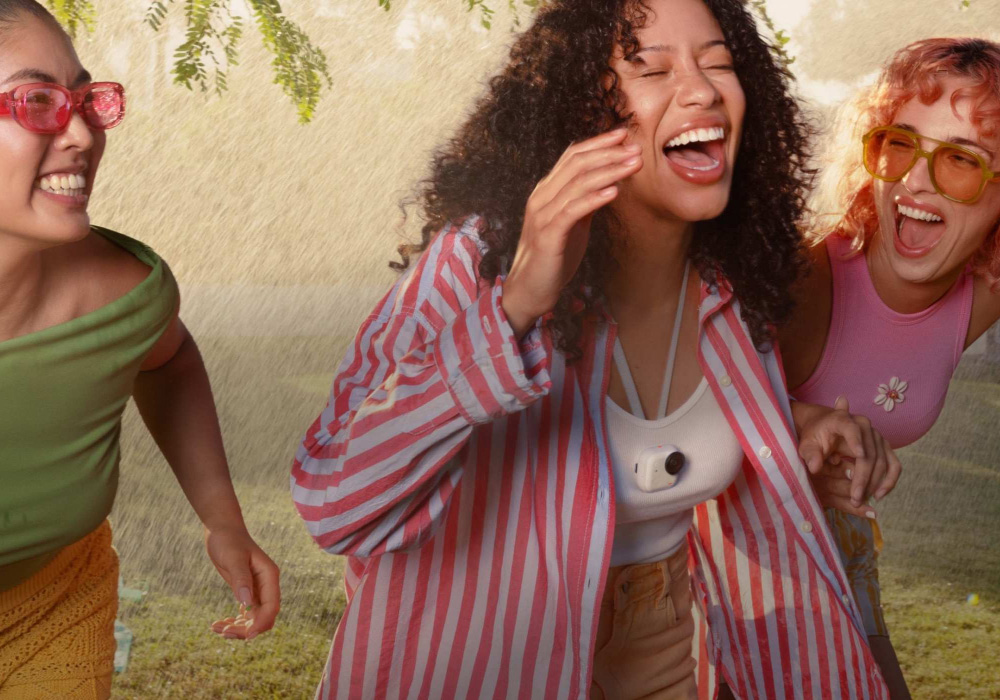
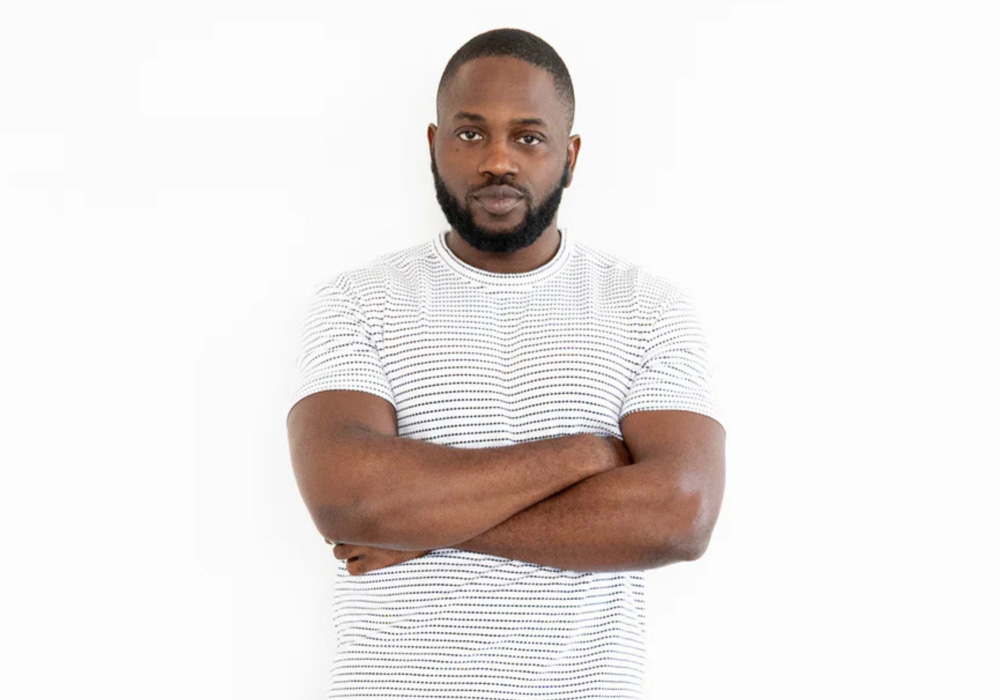
Yannis Davy Guibinga is a Montreal-based photographer and visual artist born in France and raised in Gabon, whose work has become a bold visual record of Black and Pan-African identity. With a client list spanning Apple, Nikon, and Google Arts & Culture, and exhibitions across 14 countries, Guibinga uses vibrant colour, portraiture, and mythological storytelling to put Gabon on the global cultural map.
Yannis Davy Guibinga arrived in Mississauga in 2013 to study at the University of Toronto Mississauga (UTM), carrying a camera he had barely learned to use. Born in France and raised in Gabon, he landed in one of the world's most multicultural cities — and quickly realized that almost nobody around him had heard of the country he came from.
That gap became the engine of everything.
Today, Guibinga is a Montreal-based photographer and visual artist whose work has appeared in 51 exhibitions across 14 countries and 5 continents. He has collaborated with Apple, Adobe, Nikon, Google Arts & Culture, and Chance the Rapper. His work is part of Dr. Kenneth Montague's Wedge Collection and was published in As We Rise (Aperture). His self-initiated billboard exhibition Of Color reached an estimated 68 million daily impressions across Los Angeles in November 2025. Forbes Afrique named him on its 2025 "Soft Power: They're making Gabon shine" list.
Through it all, the mission has stayed the same: Make Gabon visible.
From weekend hobby to deliberate practice
Photography started casually — weekend sessions with a friend in Libreville who owned a camera. By the time Guibinga moved to Canada, he wanted to keep going on his own.
The real turning point came when he returned to Gabon after his first year at UTM. Toronto had exposed just how little people understood about Gabonese life, and that trip home became a deliberate documentation exercise. He photographed people, culture, and the texture of everyday life.
"I realized a lot of people didn't know about Gabon at all. They didn't even know there was a country called Gabon."
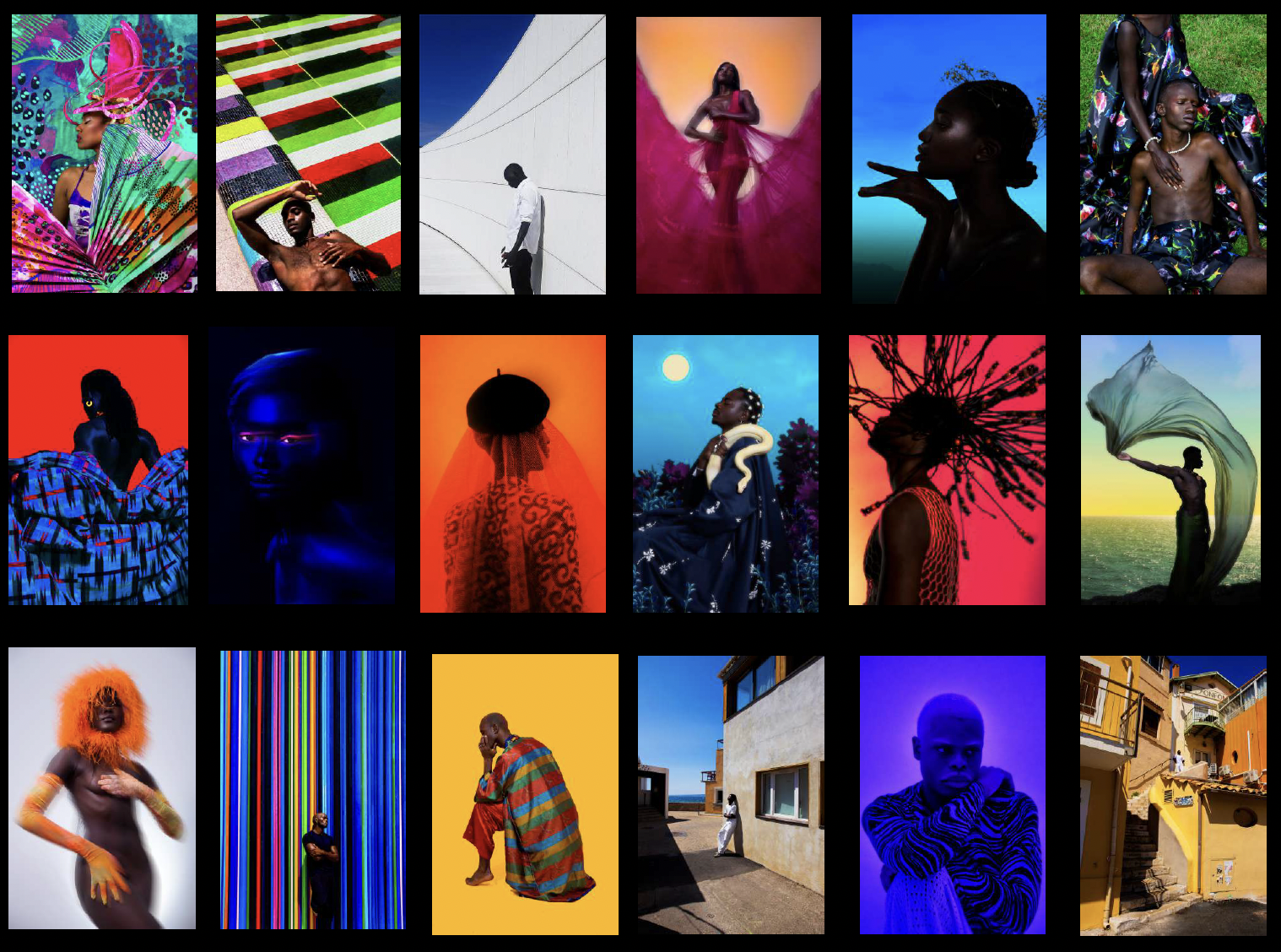
From there, his practice moved toward portraiture — and then toward something broader: exploring Black and African identity as lived experience in Canada and across the diaspora.
Technically, he was self-taught for years. It wasn't until he moved to Montreal and enrolled at Collège Marsan that he got formal studio training in lighting and aperture control. The education didn't reshape his artistic instincts. It just gave them better tools to work with.
Visibility, outreach, and the collaborations that followed
The path to working with Apple, Nikon, and Google looked deceptively simple: post your work, let brands find you. And for a while, that's exactly how it went.
"When they wanted to work with me, they already had an understanding of the kind of images I was making. It was never about them telling me what to create — it was mostly, 'we just want you to create what you already create, but with our product.'"
That kind of brief is rare, and it reflects something important: a strong, consistent creative voice gives clients less reason to interfere.
Guibinga has since become more proactive. Cold emails, direct pitches, self-initiated concepts — these are now central to how he operates. His Of Color billboard project is the clearest proof of that approach. He reached out to StandardVision with an idea, they said yes, and eight billboards across Los Angeles carried his work for a full month.
His advice to emerging photographers is simple:
- Reach out even when you're unsure. Silence still plants awareness.
- A cold email costs nothing, and one yes can change everything.
- Proactive pitching, especially for self-initiated work, leads to the most meaningful collaborations.
Gallery relationships have followed the same pattern. London gallerists found his work online. One early relationship started with a single print purchase, led to joint shows, then to the Africa Art Fair in Paris — dedicated exclusively to African artists. An LA gallerist ran multiple shows with him over several years and later connected him with a New Orleans gallery, with which he still works today.
Fifty-one exhibitions across 14 countries. Built one relationship at a time.
Gabon, mythology, and the power of colour
Gabon has a population of fewer than 3 million people. Its cultural output rarely crosses international radar. For Guibinga, that's exactly the point.
"I'm aware that I'm sometimes in positions where a lot of people from all over the world can look at my work. So it's important for me to represent the country and the culture as much as I can."
His Pan-African storytelling goes beyond cultural documentation. He is particularly drawn to African mythologies — stories passed down orally that have almost no visual record.
"A lot of African mythologies don't really have visual documentation. I'm interested in taking these smaller myths that people aren't necessarily aware of, and creating a visual documentation in my own way, with my own modern sensibilities."
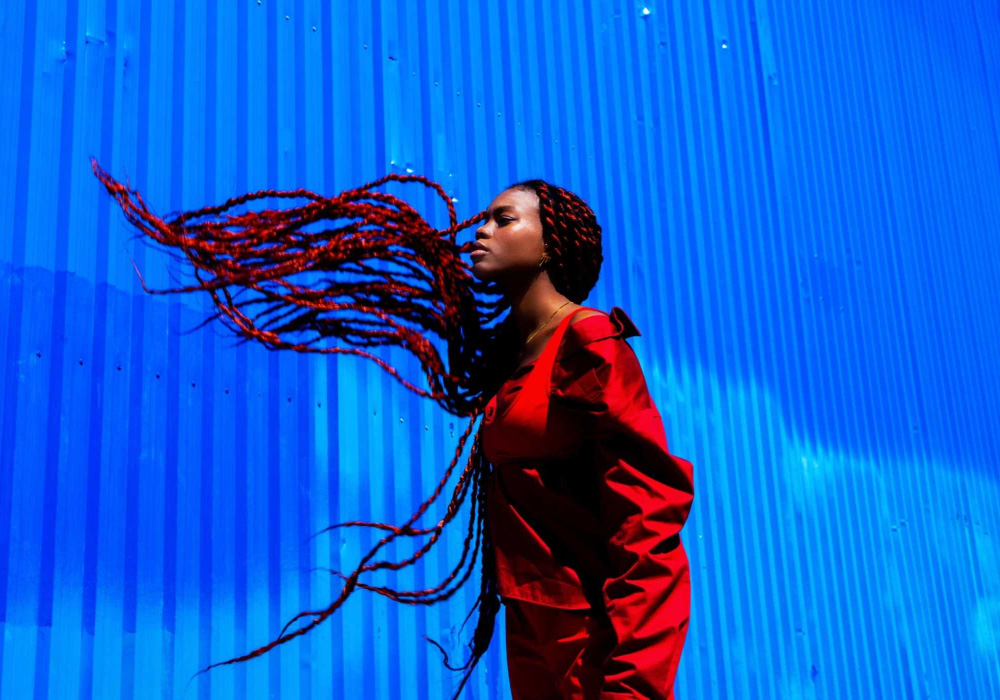
Colour is inseparable from this project. His images are saturated, bold, and emotionally deliberate. Part of that is personality. Part of it is geography — a way of keeping Gabon present in his work.
"Gabon is an extremely lush, vibrant, colourful place. I think it's sometimes a way for me to bring that feeling back in my work — without necessarily being there, but still trying to bring in that energy."
The Forbes Afrique "Soft Power" recognition placed him alongside Gabonese musicians and cultural icons his family had grown up listening to. Surreal, he says, is the only word for it.
The relationship with collector Dr. Kenneth Montague began with a cold email after a group show in Toronto, where the two didn't get to meet. Montague acquired two photographs. Those images eventually appeared in As We Rise, published with Aperture — one of the most important collections of contemporary Black photography in Canada.
"It was my very first collector. So it was a very big honour."
Montreal, Toronto, and the need for better infrastructure
Guibinga has spent enough time in both cities to speak candidly about what each offers Black artists.
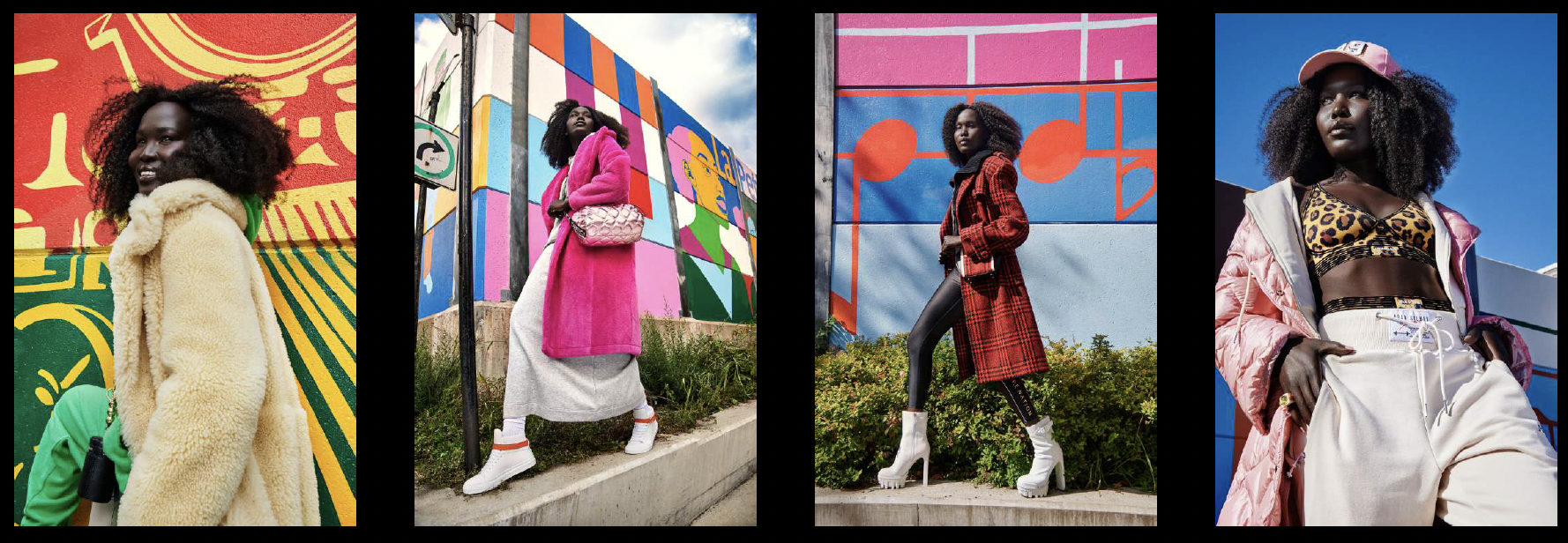
Toronto has a larger commercial market — more brands, more agencies, more financial runway for photographers. Montreal is different. The talent is there. The infrastructure isn't always.
"There's a lot of very, very talented Black artists in Quebec. I don't think they always have the spaces and the resources to thrive as much as they could."
One model he believes is worth scaling nationally is Nigra Iuventa, a Montreal organization that platforms Black and Afro-descended artists through exhibitions, talks, residencies, and workshops. Every Montreal show Guibinga has had came through them.
"Just having something like that at the national level would create an ecosystem — conversations, networking, opportunities for artists to be aware of one another and create things together."
The infrastructure for Black artistic life in Canada exists in pockets. A nationally connected version of it would be something else entirely.
Where the work is heading
Guibinga is thinking hard about how photography gets experienced — and how to push that experience beyond the gallery wall and the rectangular frame.
He is exploring lenticular images that shift as you move past them, circular print formats, sculptural integrations, and large-scale public installations. The Of Color billboards were a proof-of-concept.
"How can photography be accessible to people outside of the gallery space?"
That question is driving everything coming next.
His body of work is already more than a portfolio. It is a growing visual archive of Gabon, of African mythology, of Black life in its full range. He understands the platform he has built, and treats it as a responsibility.
The path from weekend photography sessions in Libreville to eight billboards in Los Angeles was built through consistency, direct outreach, and the refusal to let where he came from limit what he made.
The world is still learning how much there is to see in Gabon. Guibinga is making sure it has no excuse not to look.
View Yannis Davy Guibinga's work at yannisdavy.com and follow him at @yannisdavy.