

Toronto’s arts sector is navigating rising costs and tighter sponsorship, while public belief still shapes what the city can become. Toronto Arts leadership lays out a plan that treats culture as a civic necessity and an economic engine.
Toronto’s arts scene rarely needs help proving its creative credibility. The work is everywhere, on stages and gallery walls, in parks, basements, community centres, major venues, and storefront studios that hold entire neighbourhoods together. What the city still debates, especially in high-cost moments, is whether the arts get treated as essential infrastructure or as a nice-to-have.
That question sits at the heart of our conversation with Kelly Langgard, Director and CEO of both the Toronto Arts Council and the Toronto Arts Foundation. Langgard speaks candidly about the pressure points artists and organizations are facing, the responsibility of public funders in a city where space is expensive, and why the most urgent cultural strategy right now looks a lot like civic planning. Culture strengthens identity, supports employment, and helps diverse communities share a sense of place. When it is funded with intention, it also becomes a platform for equity, mentorship, and long-term sustainability.
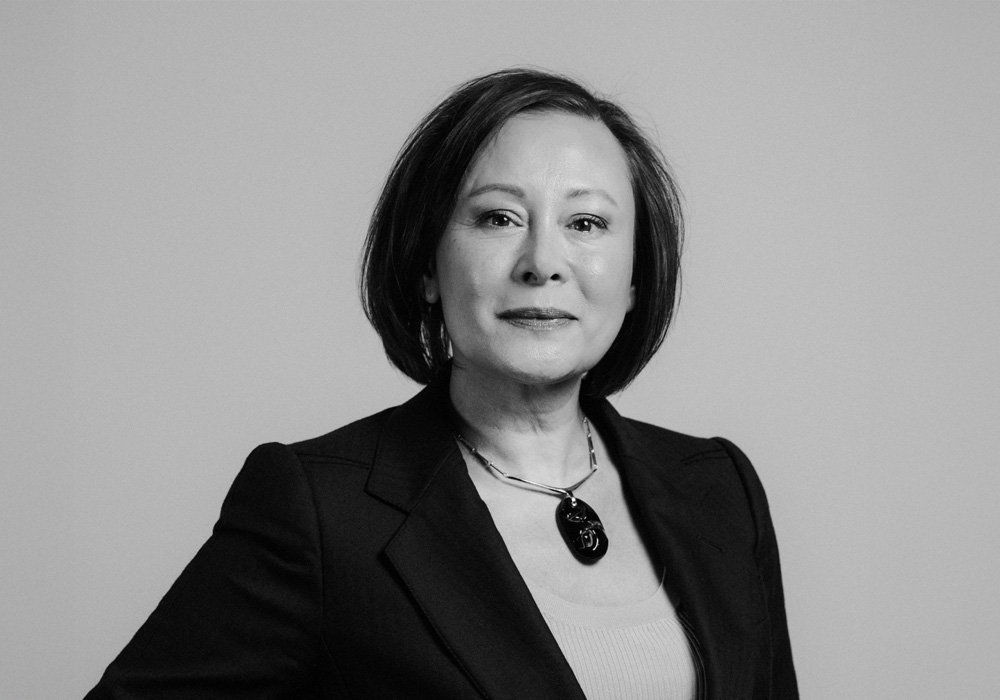
Toronto Arts Council vs Toronto Arts Foundation, one ecosystem with two levers
Langgard begins by clarifying the distinction between two closely linked organizations that are often conflated.
Toronto Arts Council operates through an agreement with the City of Toronto to distribute municipal funding to artists and arts organizations. It is the public funding engine, designed to move taxpayer dollars into the creative economy through grants, operating support, and sector-wide investment. TAC’s history and public reporting underscore the scale of this mandate, including significant annual budgets and support for hundreds of organizations across the city.
Toronto Arts Foundation is a separate charitable organization that raises private funds for strategic programs. In the interview, Langgard highlights initiatives focused on access and opportunity, including mentorship programs and Arts in the Parks, which brings free arts programming to neighbourhood parks each summer. The Foundation also hosts high-profile fundraising events that bring civic, corporate, and cultural leaders together to advocate for arts investment.
Taken together, the model is designed for stability and responsiveness: public dollars help sustain a baseline, private dollars can accelerate targeted programs and close opportunity gaps.
“Believe in Art” and the long view of city-building
The Toronto Arts Council’s theme for last year's 50th anniversary, “Believe in Art,” reads as a statement of legacy and an argument for the future. TAC’s institutional history frames the campaign to highlight how art contributes to a caring, vibrant city, while looking ahead to continued cultural growth.
In the interview, Langgard describes the motto as a reminder that sustained belief becomes measurable over time: in the number of organizations supported, the breadth of neighbourhood reach, and the way a city’s cultural identity becomes part of its global brand. One line captures the spirit of the anniversary logic: “It’s really started from that initial place of just believing that our art sector in Toronto could grow if it were properly resourced.”
This framing matters right now because the sector is being tested on multiple fronts, with rising rents, high operating costs, reduced sponsorship, and funding pressures across Canada. Langgard’s view is that these constraints increase the demand for arts and culture, because people turn to art for meaning, connection, and relief in difficult times.
The economic case, and why language matters
A key takeaway is Langgard’s insistence on shifting how arts funding gets discussed in public life. She wants the conversation to change from ideas like handouts to the language of investment, productivity, and returns.
This is not aspirational branding. National research consistently underscores the economic weight of culture, including its contribution to GDP and its employment impacts. The Canada Council for the Arts positions the culture sector as a significant economic contributor, supporting a strong case for treating arts investment as a financial strategy alongside its social value.
Langgard also emphasizes the tourism and main-street effects that local arts activity generates. The point is straightforward: when neighbourhoods have vibrant cultural offerings, local businesses benefit, audiences circulate, and a city becomes more attractive to residents and visitors alike.
Paid mentorship as a pipeline strategy for equity and sustainability
Mentorship is often cited as one of the most practical tools for career mobility in the arts, especially for communities that face additional barriers to networking, employment access, and institutional visibility. Langgard makes a strong case that mentorship works best when it is structured and paid, because time and participation carry real costs.
Her reasoning is especially relevant for emerging artists, newcomer creatives, and equity-deserving communities, who often face greater financial risk when they take on unpaid or underpaid opportunities. In her words, “We want to acknowledge that it’s a legitimate form of work.” Paying both mentor and mentee recognizes the labour involved, supports participation, and strengthens the sector’s leadership pipeline over time.
This is worth emphasizing: mentorship is not a soft add-on. It functions like a workforce development infrastructure for a sector that still depends heavily on relationships, referrals, and informal systems.
The Black Arts Program and the need for operating stability
When the conversation turns to the Black Arts Program, it becomes clear how TAC is thinking about sustainability beyond project cycles. Langgard describes the program as a unique TAC initiative developed in close consultation with Black artists and arts leaders, designed to address specific barriers related to anti-Black racism and to respond to sector realities with targeted solutions.
One of the most important mechanisms is annual operating support. Operating funding creates stability. It allows organizations to plan, staff, and grow without living in a constant restart loop.
TAC’s Black Arts Annual Operating program is publicly described as annual operating support for Black-led, Black-focused, and Black-serving non-profit organizations in Toronto, supporting both operations and programming. The current application deadline listed by TAC is February 9, 2026.
Langgard also highlights the cohort effect that operating programs can create: organizations in the same stream can share practices, build community, and learn from one another, strengthening the whole ecosystem.
Mayor’s Evening for the Arts and the (In) Bloom Gala, advocacy in a single night
Some advocacy happens through policy documents and budget conversations. Some advocacy occurs in a room full of people who see, in real time, what the city’s cultural life looks like when it is well-resourced.
Langgard describes the Mayor’s Evening for the Arts as the Toronto Arts Foundation’s signature fundraising event, hosted by Mayor Olivia Chow, and a gathering point for political, business, and cultural leadership.
Toronto Arts Foundation communications about the event, held at The Carlu on November 19, also cite a total raised of $1,056,199, underscoring the scale of the fundraising and its intended impact on programs such as mentorship supports.
What stands out in Langgard’s description is that the event is designed to connect dollars to outcomes. Artists perform. Community leaders witness the work. The public narrative becomes tangible.
Some key takeways
This conversation lands as both a city-wide argument and a community-specific reminder. Toronto’s global identity is tied to pluralism, migration, and neighbourhood life, and the arts help translate that reality into shared experiences. The funding structures Langgard describes are part of how that translation happens, especially for Black artists and organizations who have historically had to build impact with fewer dedicated resources.
Before outlining the key takeaways, it is essential to define what is at stake: when arts spaces disappear, communities lose gathering points, mentorship pathways narrow, and emerging talent is pushed out of the sector. When funding stabilizes, the opposite happens: artists stay, organizations plan, and a city’s creative rhythm becomes easier to feel in daily life.
Key takeaways from the interview include:
- Public funding and private fundraising work best as partners, because public investment signals legitimacy and encourages private support.
- Paid mentorship strengthens career pipelines, especially for equity-deserving communities, by recognizing time, labour, and costs.
- Operating support is a sustainability tool, giving Black-led organizations stability beyond project cycles.
- Arts advocacy needs stronger economic language, backed by data reflecting GDP contribution, job creation, and tourism impact.
- Civic convening matters, because rooms like Mayor’s Evening for the Arts build alliances across politics, business, and culture.
Where to learn more and track opportunities
For artists, organizers, and supporters who want to follow the work discussed in the interview, these are useful starting points, including program details and deadlines:
- Toronto Arts Council, grant programs and deadlines
- Black Arts Annual Operating, noting the February 9, 2026, deadline
- Toronto Arts Foundation, including the (In) Bloom Gala and Mayor’s Evening for the Arts