
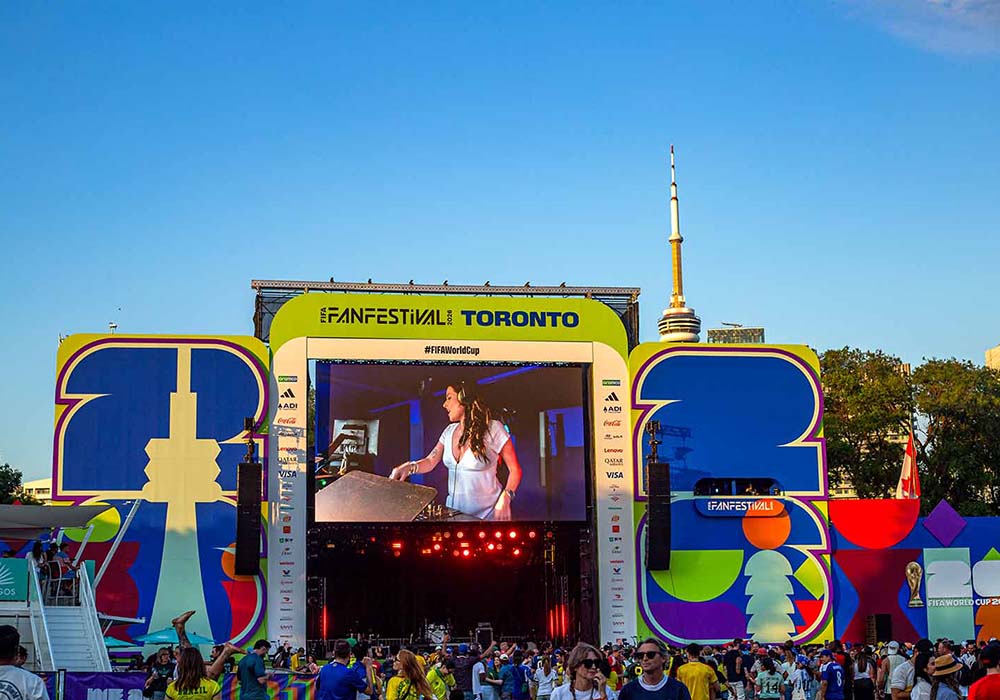
The FIFA World Cup 2026 has arrived, and Toronto is fully in the grip of tournament fever. From the lively crowds at the FIFA Fan Festival at Fort York to the electric roar inside Toronto Stadium for Canada's historic home debut, the first few days have delivered unforgettable moments. Weather scares, heart-stopping goals, and the warm embrace of a multicultural city celebrating the beautiful game — this is the World Cup Toronto was born to host.
There's something unmistakable about a city that has caught football fever. It's in the jerseys strangers wear to the grocery store, the flag-draped balconies, and yes, on a warm Saturday afternoon in June, a packed Bathurst streetcar heading south toward the lake.
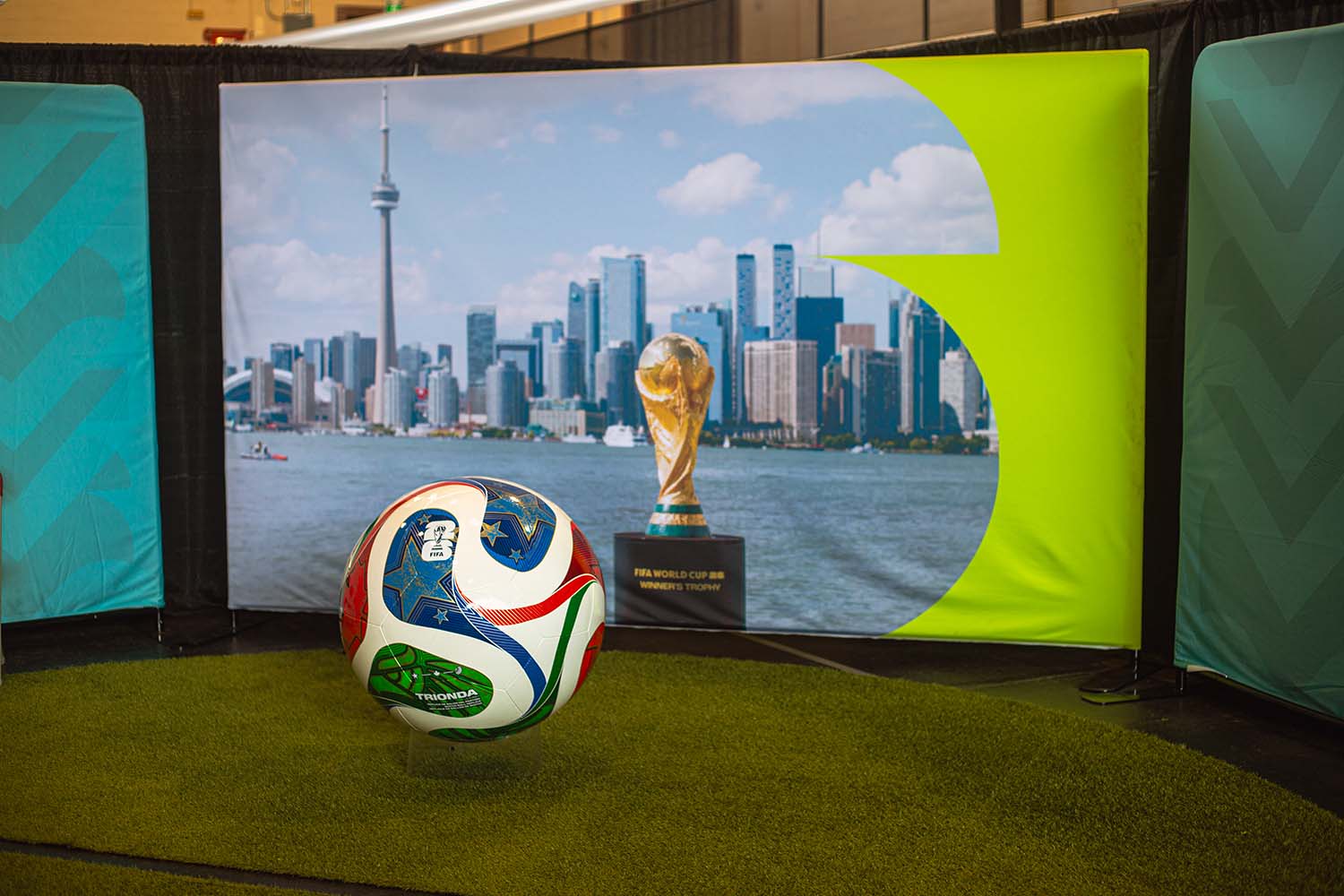
On June 13, boarding the 511 at Bathurst Station headed toward the FIFA Fan Festival at Fort York, the excitement was immediate and palpable. The car was full. People leaned across the aisle to compare notes, swap predictions, and share plans. At College Street, a cluster of passengers poured off to catch the Taste of Little Italy festivities, its aromas and music already drifting through open windows. The rest of us stayed on, rolling south and west toward Fort York, where the FIFA Fan Festival had taken over one of Toronto's most storied sites. It was one of those rare transit moments that felt almost cinematic; a whole city moving toward something together.
The Fan Festival is set within the historic Fort York National Historic Site, built in 1793 and best known as the location of the Battle of York during the War of 1812, today a 43-acre archaeological park home to Canada's largest collection of original War of 1812 buildings. The setting, improbably, works; ancient earthworks and modern football fever side by side, with a skyline watching over the whole thing.
Toronto wasn't the only city buzzing that weekend, of course. The FIFA World Cup 2026 began on June 11 in Mexico City and runs through July 19, when the final takes place in New York/New Jersey. Toronto is hosting six matches and the Fan Festival from June 11 to July 19, embodying the "The World in a City" theme and showcasing the city's passion for soccer and its multicultural identity. Few cities in North America can make that claim with as much sincerity as Toronto.
An opening day dampened, but not defeated
The Fan Festival spans 22 event days, timed to match days throughout the tournament. But the very first of those days came with an unwelcome surprise. On June 11, the World Cup's opening day, Fan Festival activities were cancelled out of an abundance of caution due to threatening weather and the possibility of lightning. The storm, in the end, didn't materialize in any meaningful way. The skies cleared, and the irony of a sunny evening following a forced closure wasn't lost on anyone.
For Mexican and South African supporters who had made their way to Fort York, the disappointment was real. They were turned away, forced to miss the live screening of a match that would turn out to be genuine footballing history. It was Mexico's eighth time playing in the opening match of a World Cup and their first win in an opener, having previously lost five and drawn two (including against then-host South Africa at the 2010 World Cup).
With a capacity crowd of 80,824 at the iconic Estadio Azteca, Mexico started the largest World Cup in history by scoring goals in each half, while three red cards were shown. Julián Quiñones gave El Tri the lead in the ninth minute, and Raúl Jiménez added a second on a header in the 66th. The fans who waited out on the grounds of Fort York, hoping for a reversal of the closure call, missed every bit of it.
Canada's moment: A historic afternoon at Toronto Stadium
The following day brought a very different kind of energy. Canada's opening Group B fixture kicked off at 3 p.m. on June 12 at Toronto Stadium, and the city had been building toward it for hours.
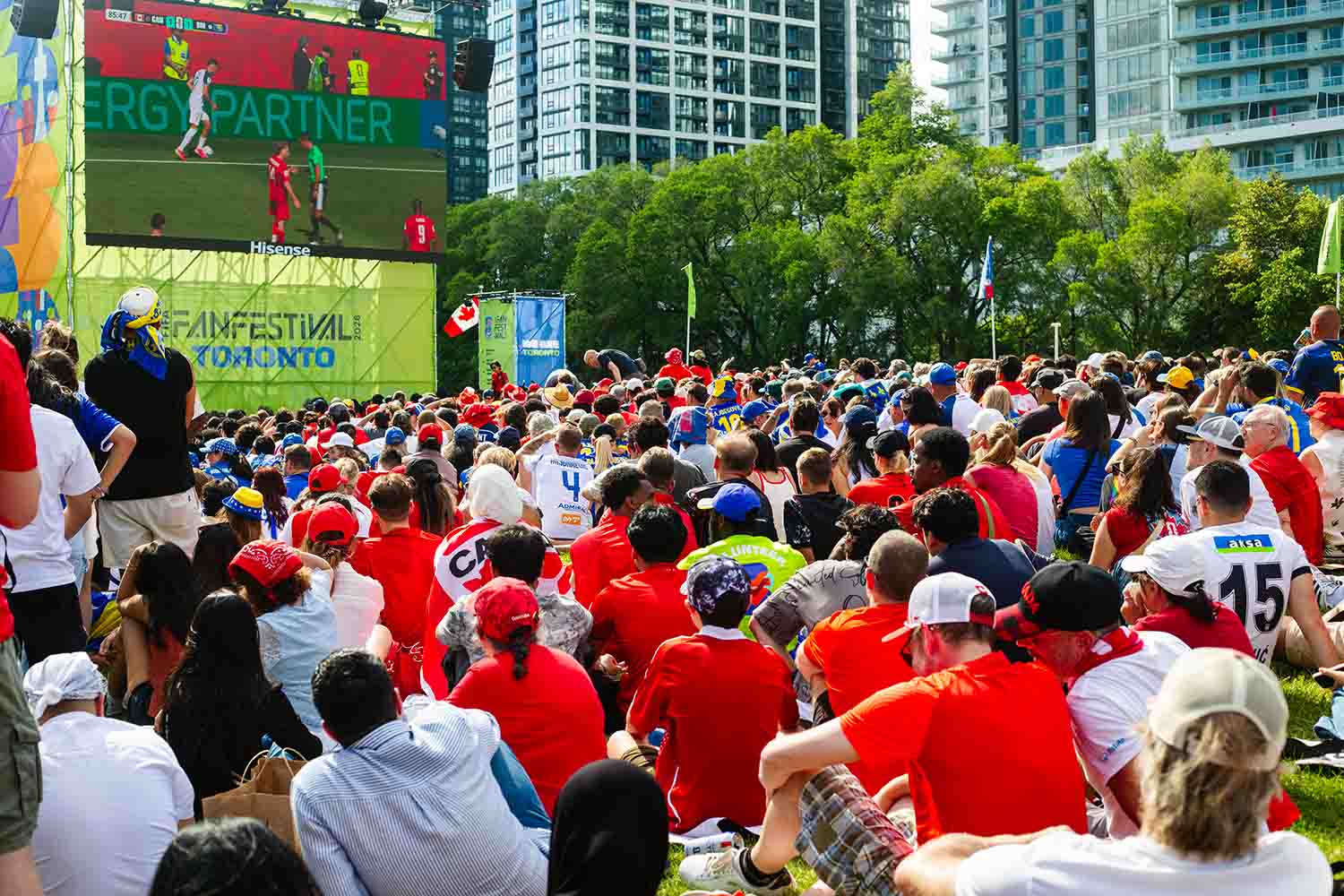
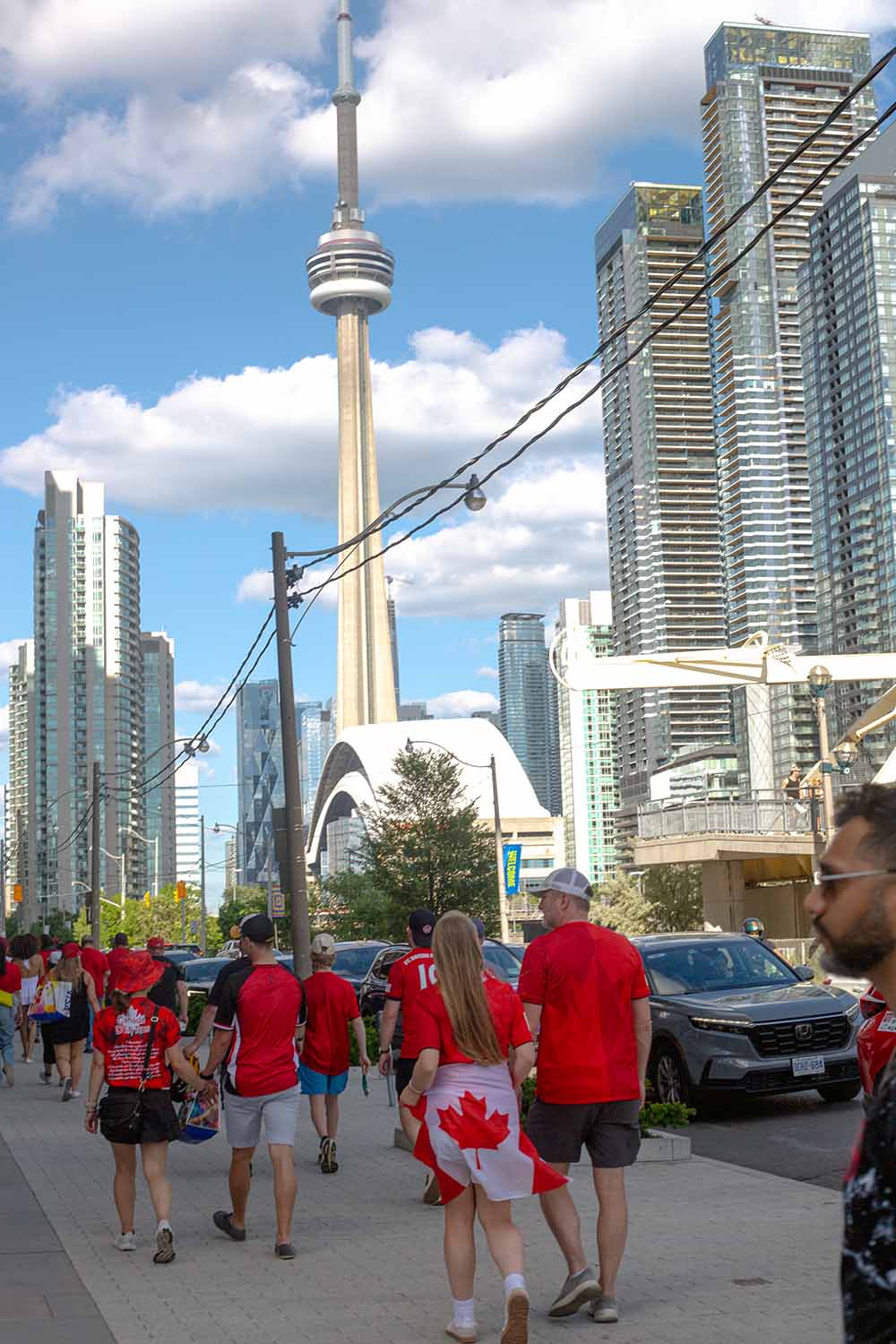
What made June 12 unforgettable before a single ball was kicked was the march. Thousands of red-jerseyed supporters made the walk to Exhibition Place together, filling the streets in a procession that was part celebration, part pilgrimage. It was the kind of spontaneous, joyful display that football cities dream of — and Toronto delivered it without a rehearsal. By the time kickoff arrived, the stadium and the streets around it were shaking.
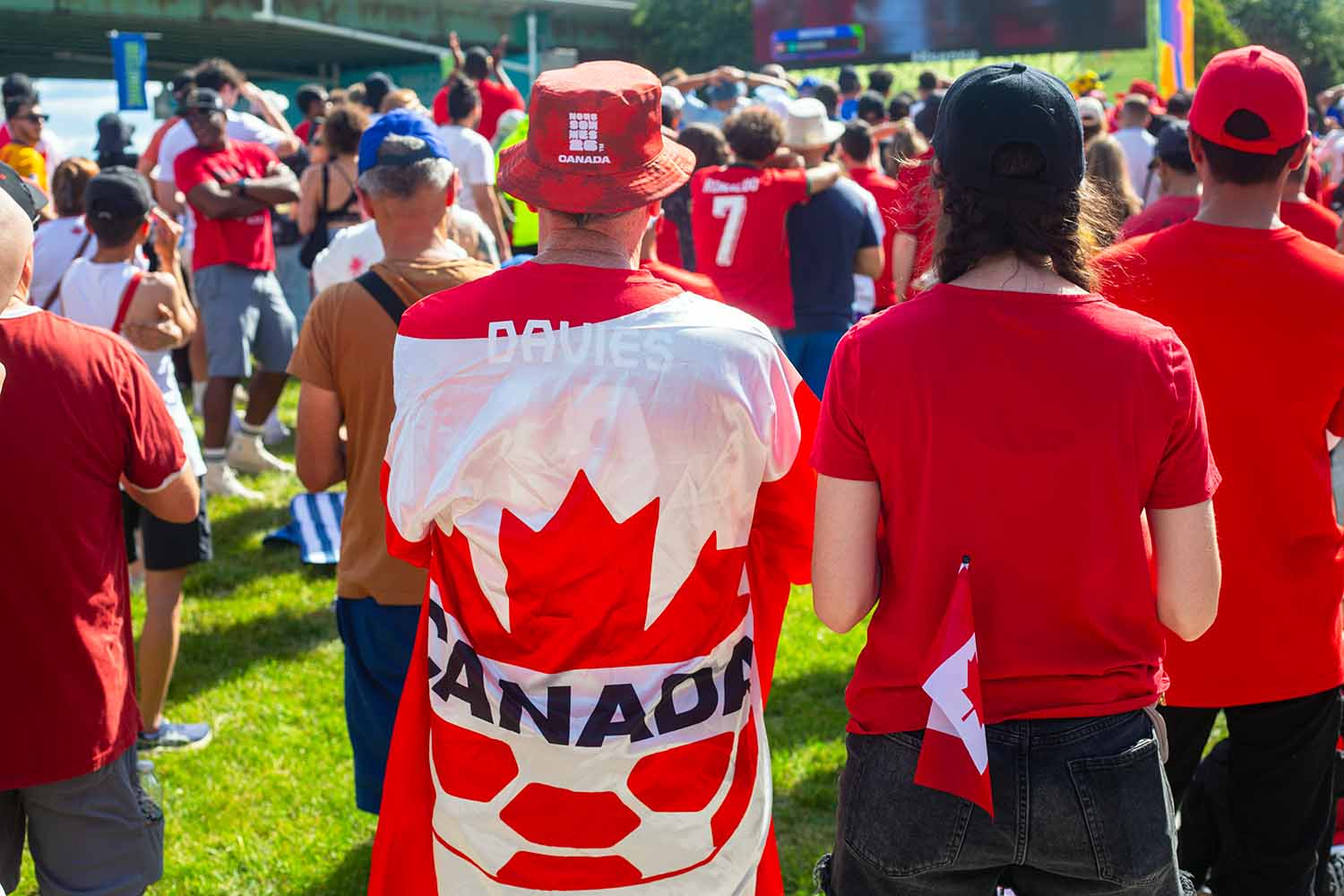
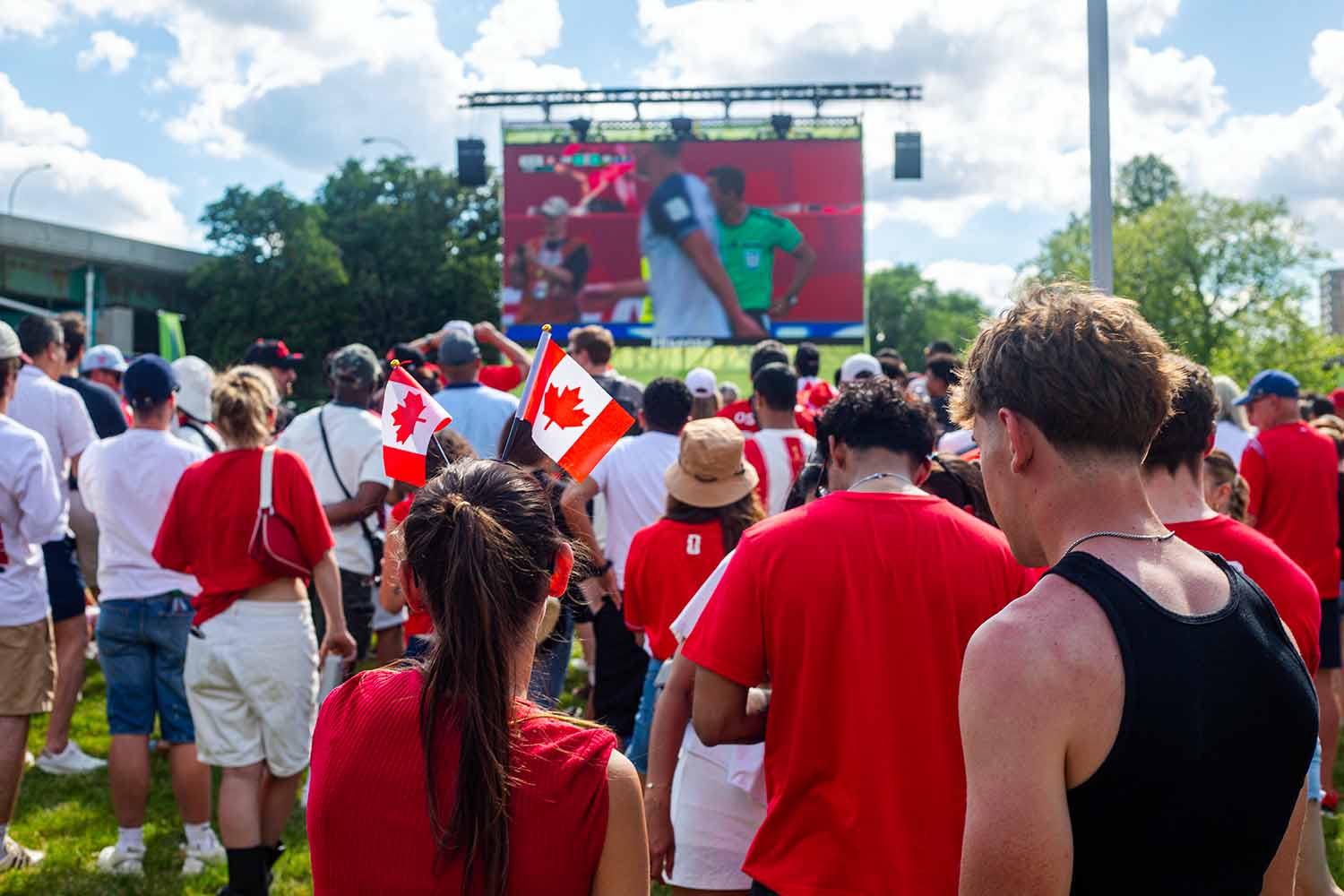
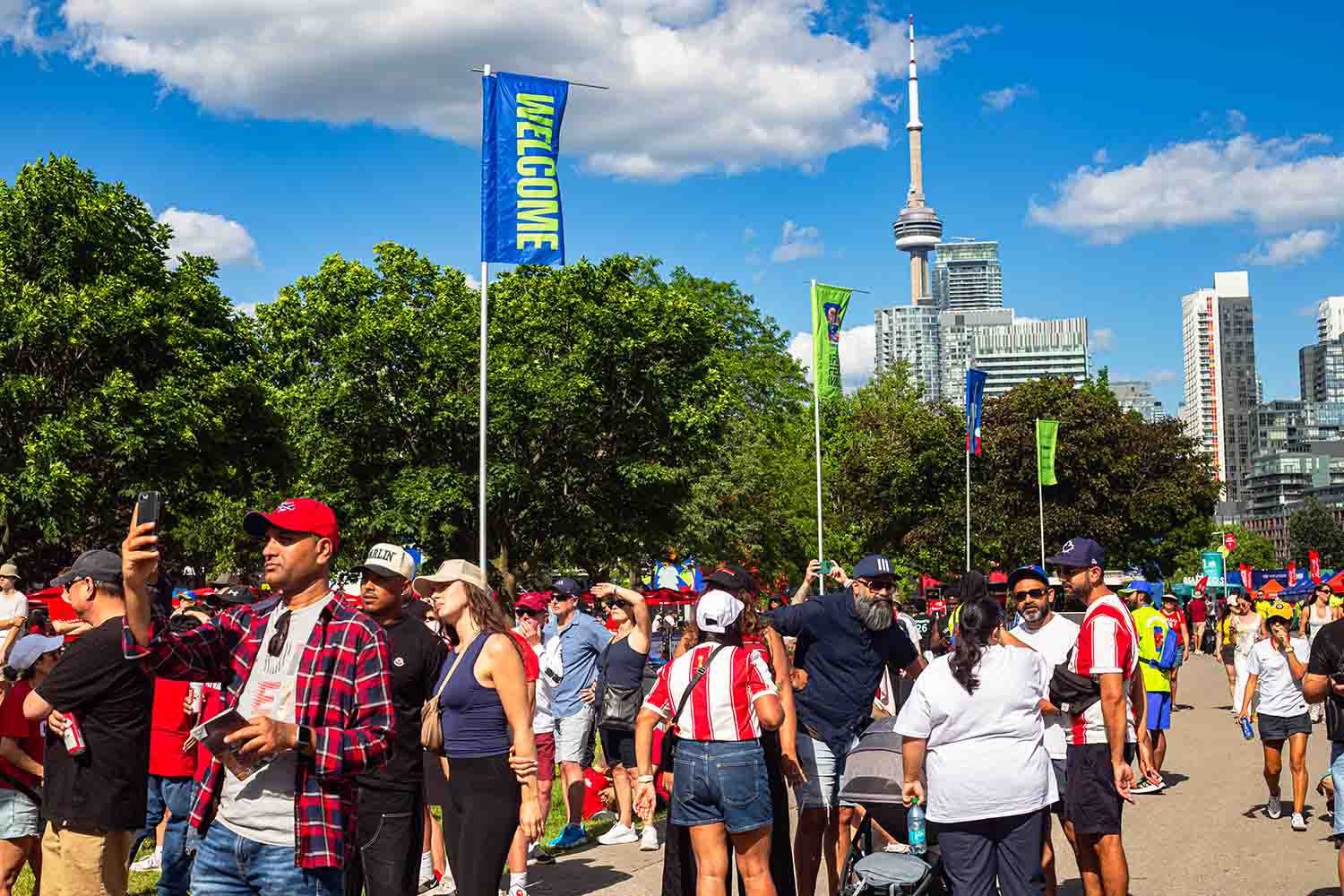
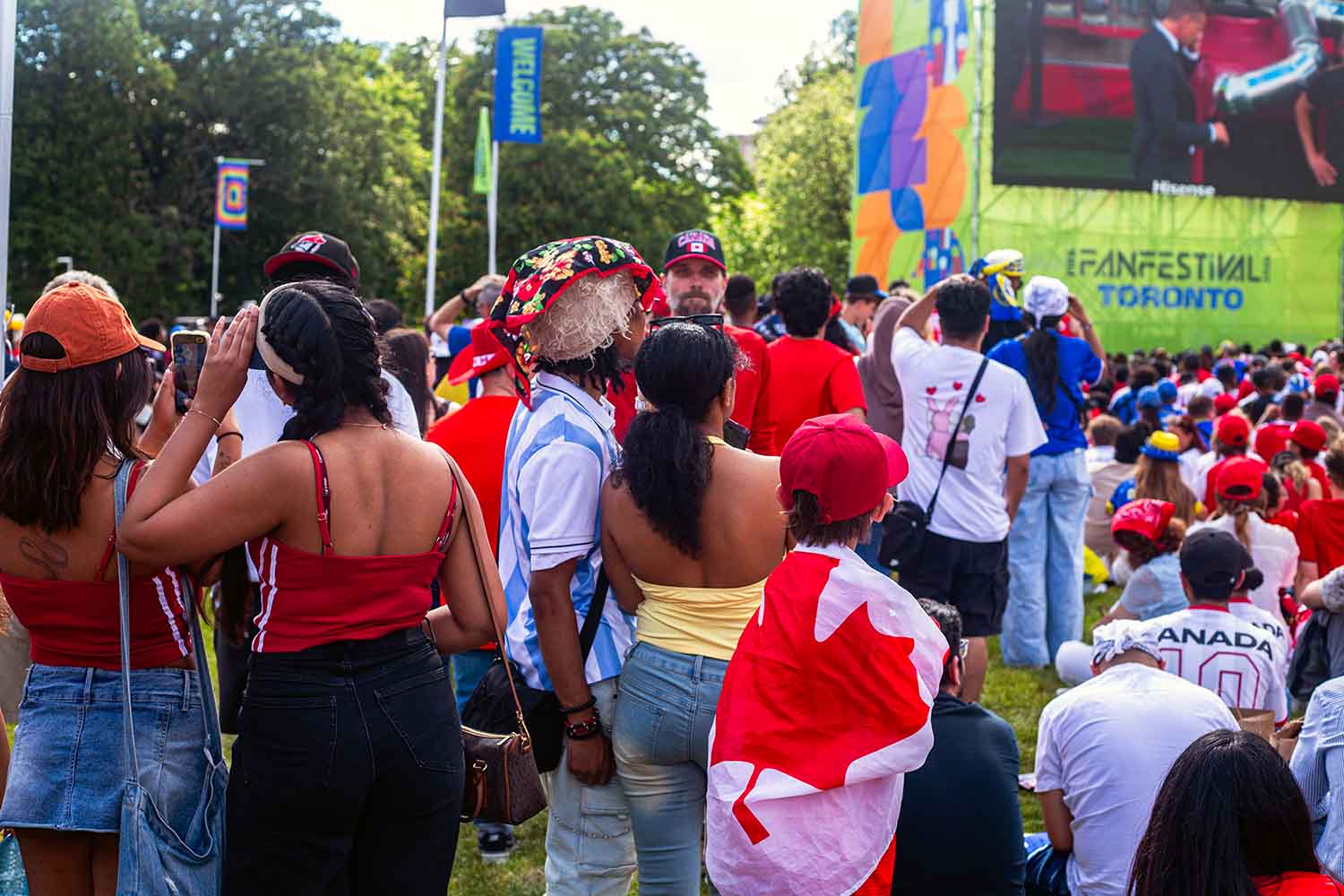
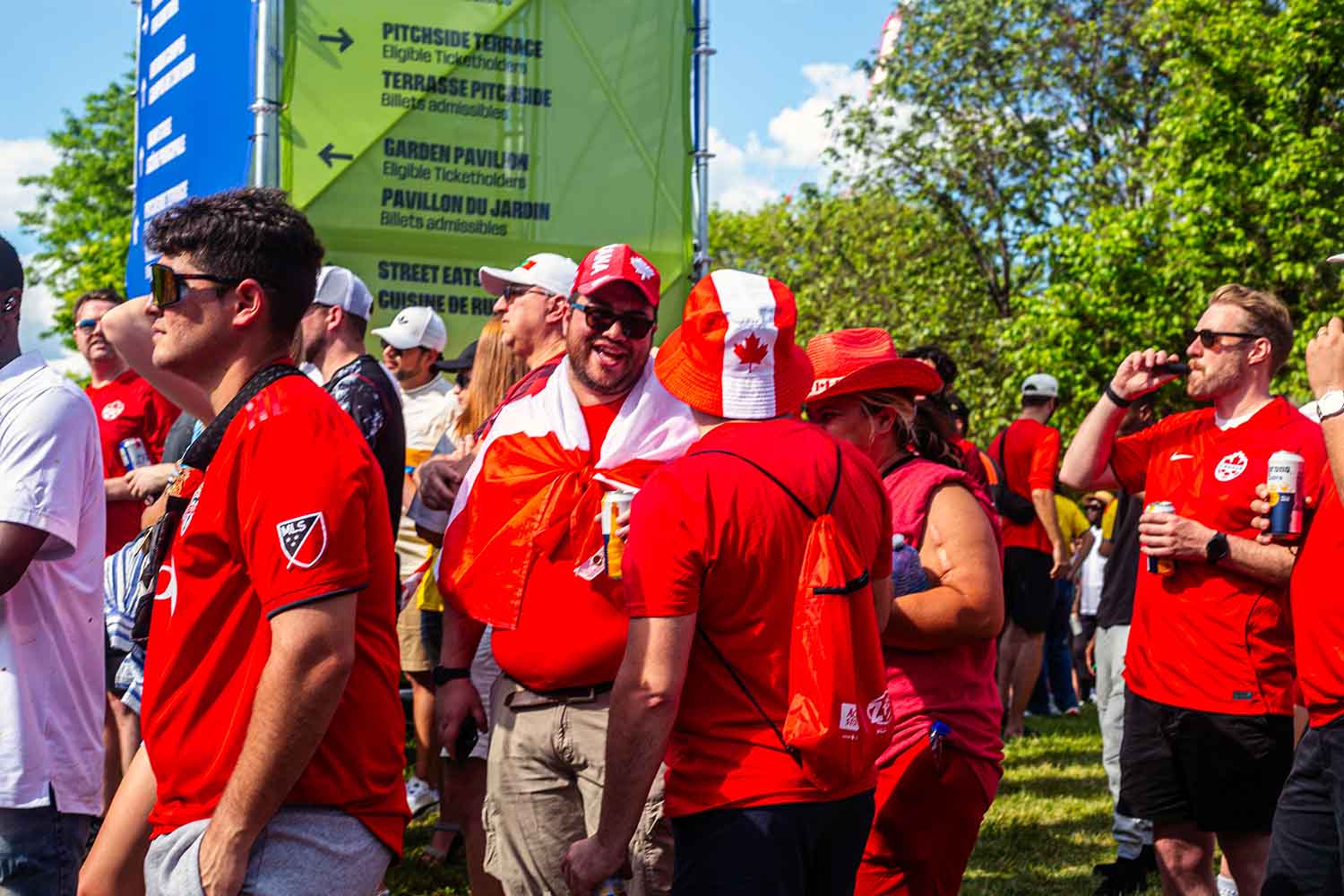


Playing in the shadow of Toronto's iconic CN Tower and in front of a sea of red "Ca-na-da!" chanting fans, including hockey star Connor McDavid and actor Ryan Reynolds, Canada earned a first point in their third World Cup appearance and first on home soil, rallying for a 1-1 draw against Bosnia-Herzegovina.
The match had been heralded by pre-match cameos from Michael Bublé and Alanis Morissette. Then the hard work began. Bosnia-Herzegovina, a side that had eliminated Italy in the European playoffs, proved a stubborn, physical opponent. Jovo Lukic put Bosnia ahead in the first half, and for long stretches, Canada missed golden chances.
Then, just as the afternoon threatened to turn, substitute Cyle Larin arrived. His finish from inside the box, his first touch after coming onto the pitch just over two minutes earlier, sent Toronto into delirium and rescued a point for the co-hosts. The tie earned Les Rouges their first-ever point in a World Cup tournament, making Canada the first World Cup host to draw its opening match since South Africa in 2010. Back at the Fan Festival grounds, the atmosphere was electric, with giant screens broadcasting every moment to supporters who couldn't get stadium tickets but refused to miss the occasion.
Saturday at the Fan Festival: Flags, colour and a personal reckoning
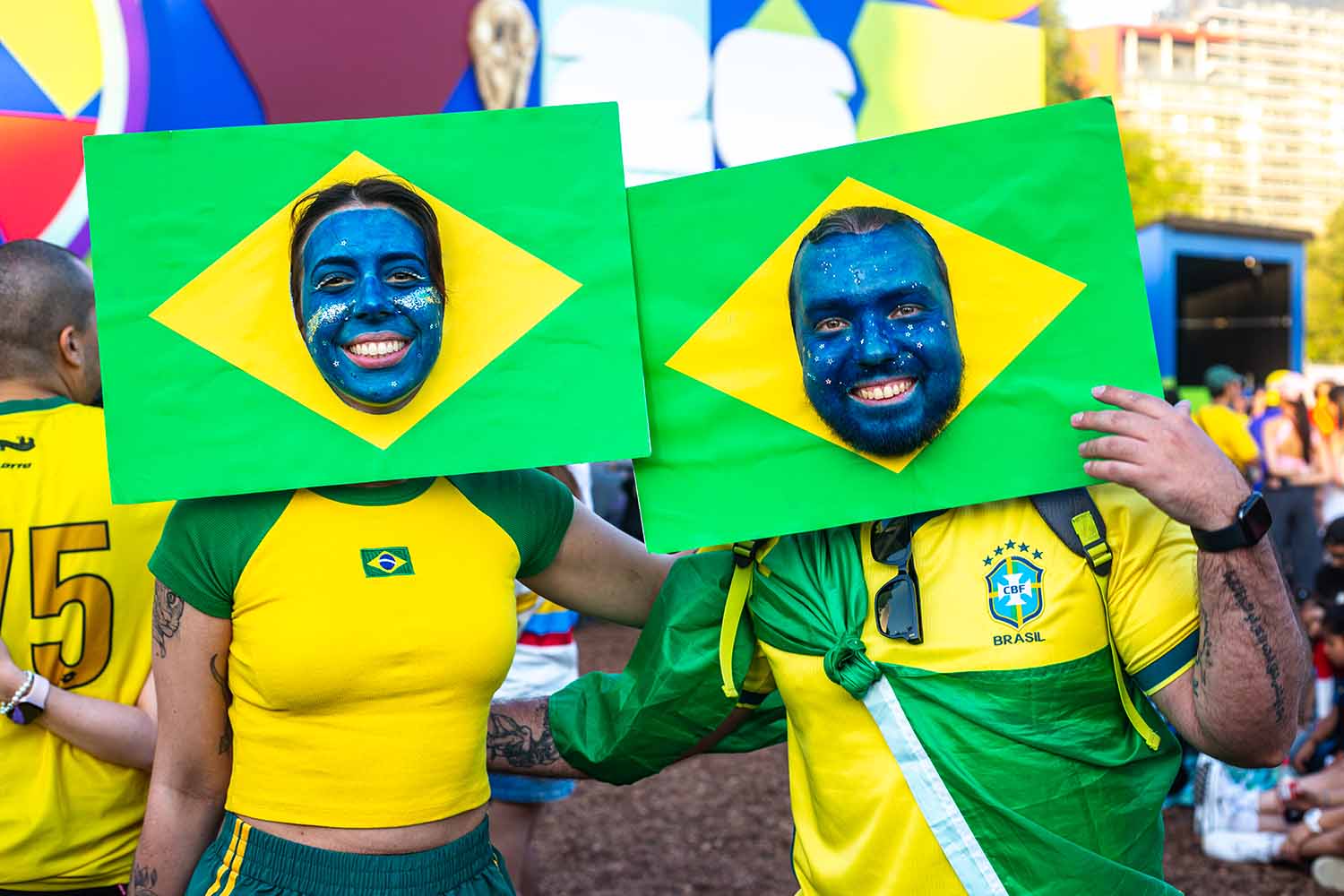
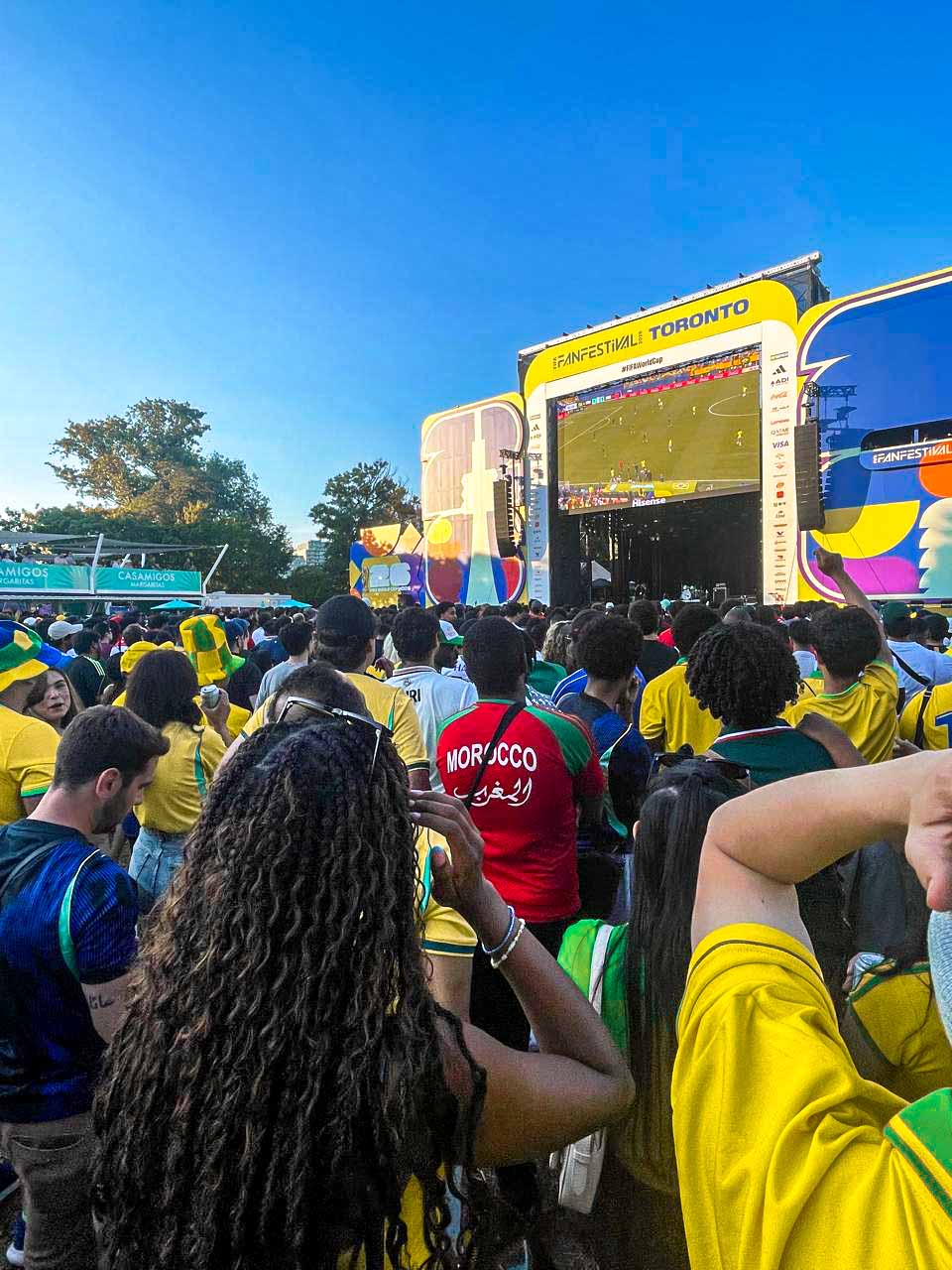
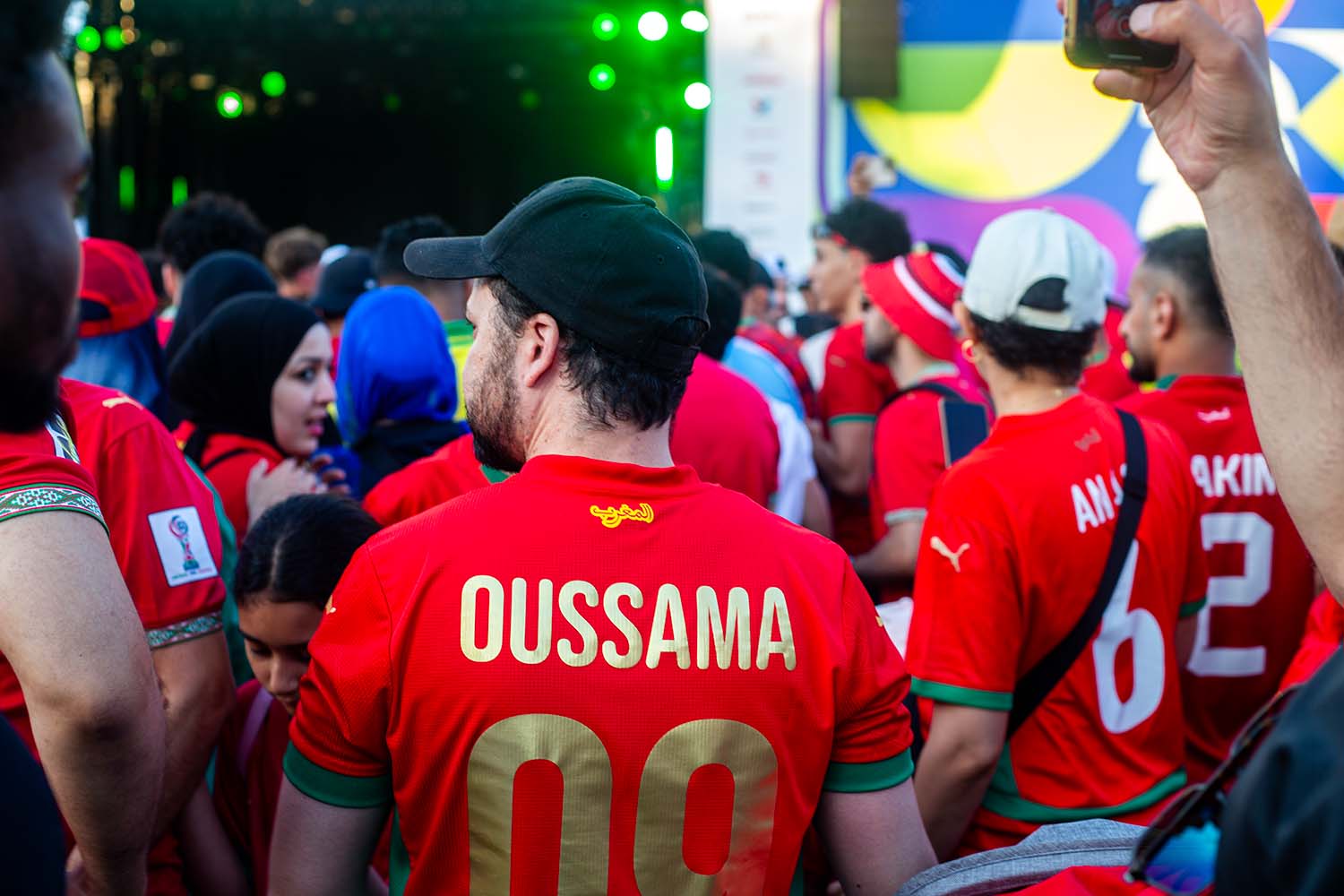
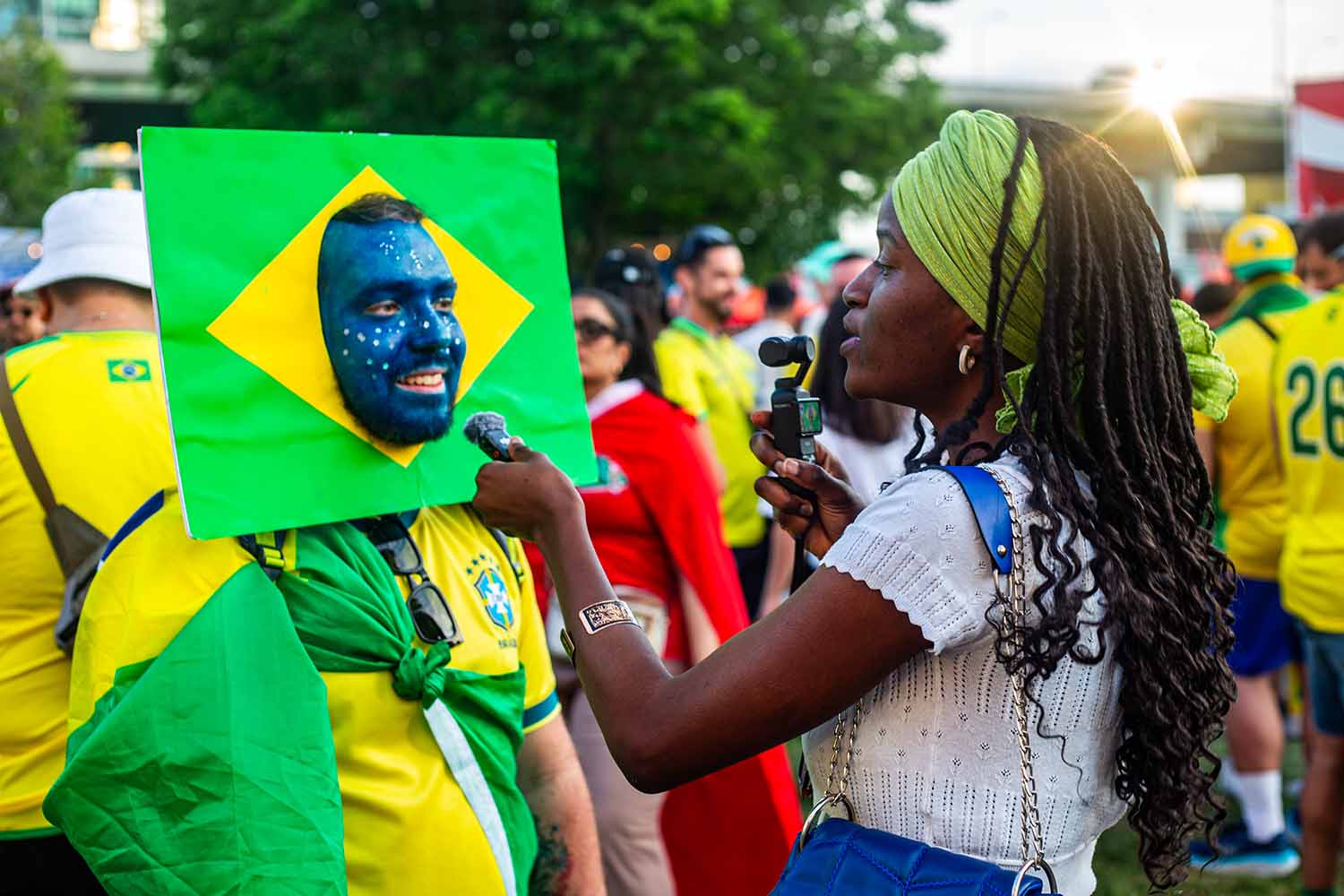
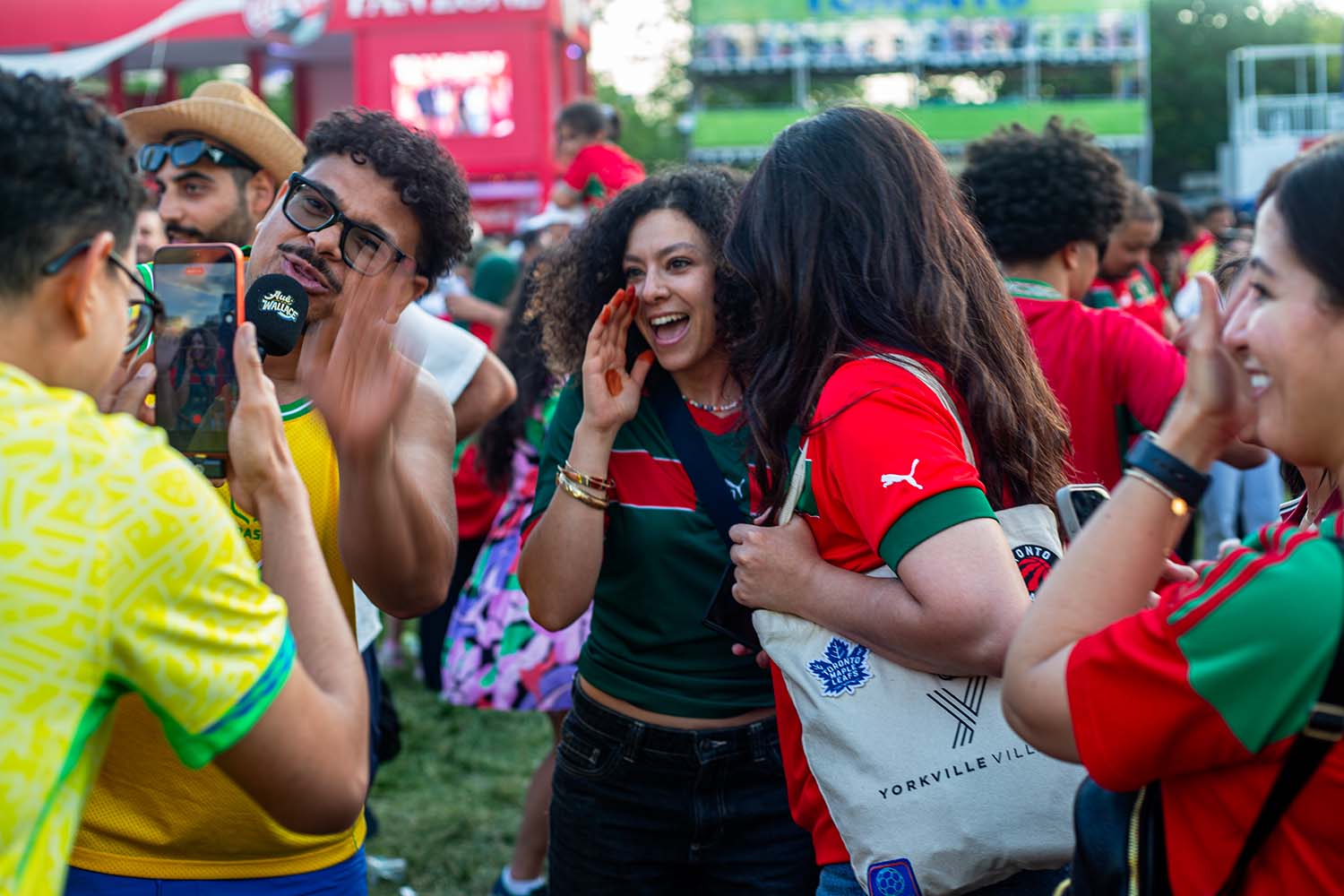
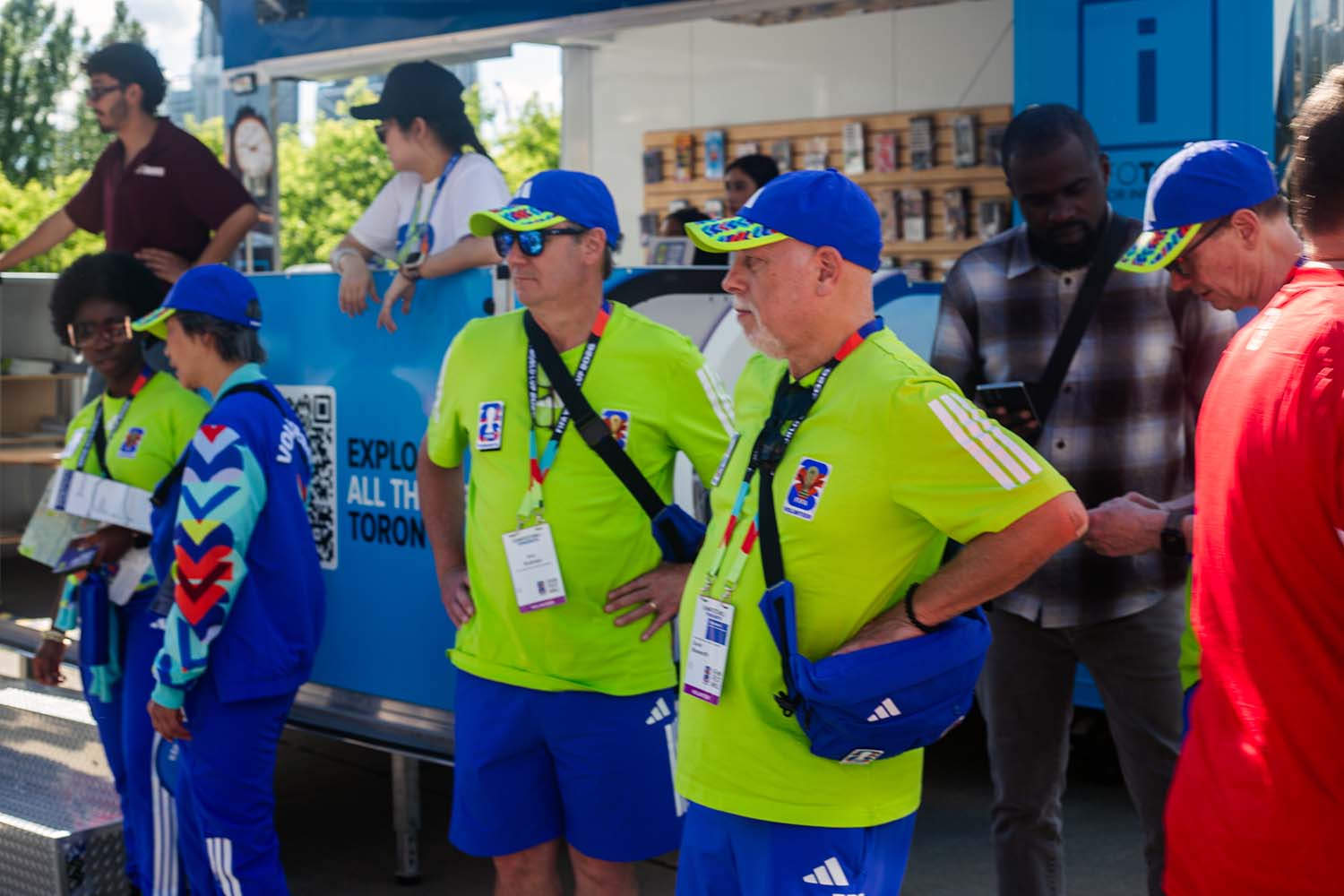
Back to June 13, and the Fan Festival crowd reflected everything Toronto prides itself on being. Embodying the "The World in a City" theme, Toronto's diverse neighbourhoods and their profound love for football eagerly welcomed fans from around the world. On the Fort York grounds that afternoon and into the night, you could find that thesis demonstrated in vivid colour.
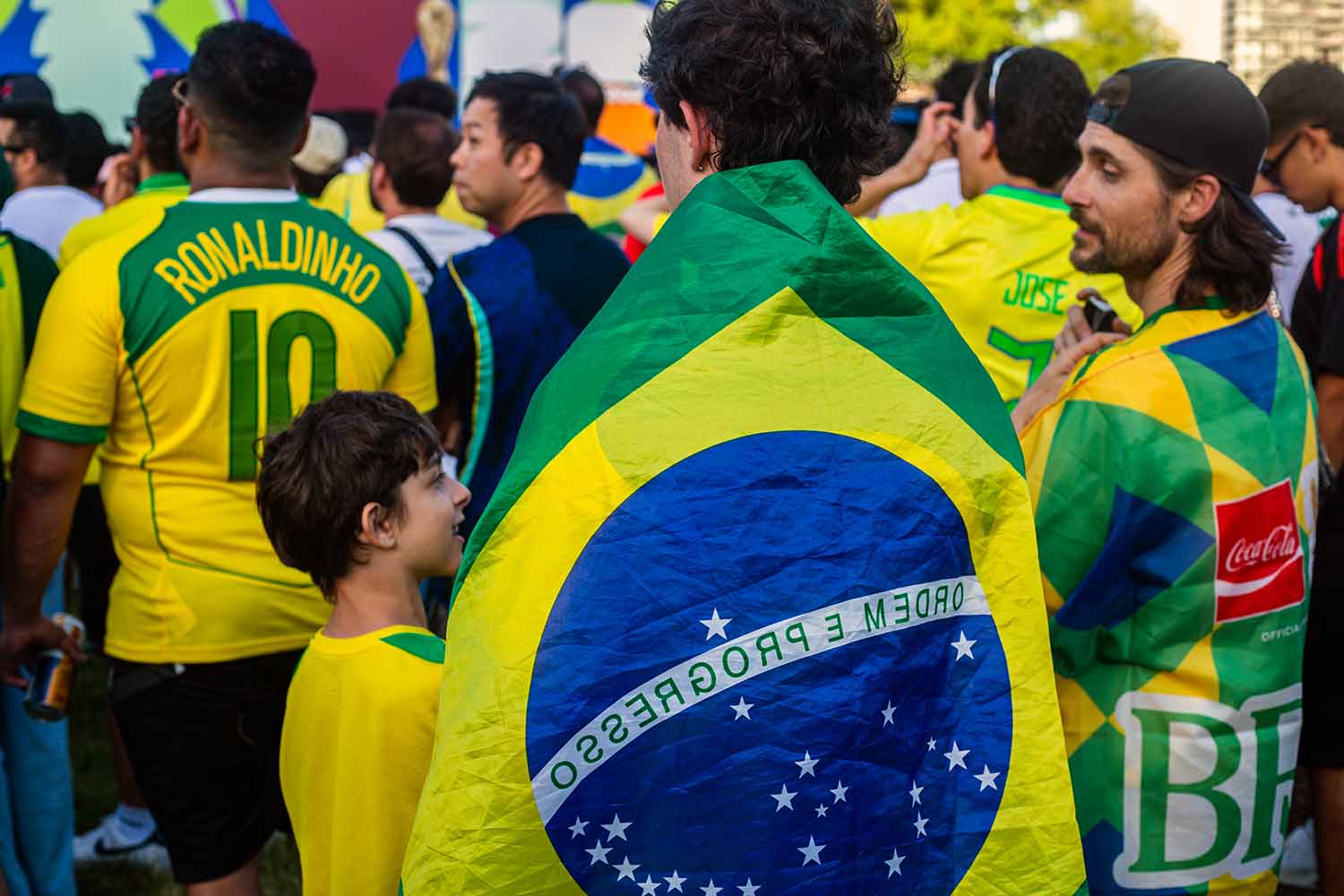
The day opened with Brazil against Morocco, a Group C clash broadcast on the giant screens. Morocco dominated early, and Ismael Saibari put the African champions (from 1976 ... wink wink from Senegal) ahead in the 21st minute, before Vinícius Júnior equalized for five-time champions Brazil in the 32nd, rifling a right-footed shot past Yassine Bounou for his 10th international goal. The 1-1 draw felt like a preview of what this group could become; two of the most compelling footballing cultures in the world, neither willing to yield.
The later match carried a different weight. Scotland faced Haiti at Boston Stadium in Foxborough, Massachusetts, with the 9 p.m. kickoff broadcast live on the Fan Festival screens. Haiti's only previous World Cup appearance was in 1974, making their return after a 52-year absence one of the most emotionally resonant stories of the entire competition. Scotland, making their first appearance in the tournament since 1998, earned their first World Cup victory since 1990, as John McGinn's deflected shot found the back of the net in the 28th minute for a 1-0 win.
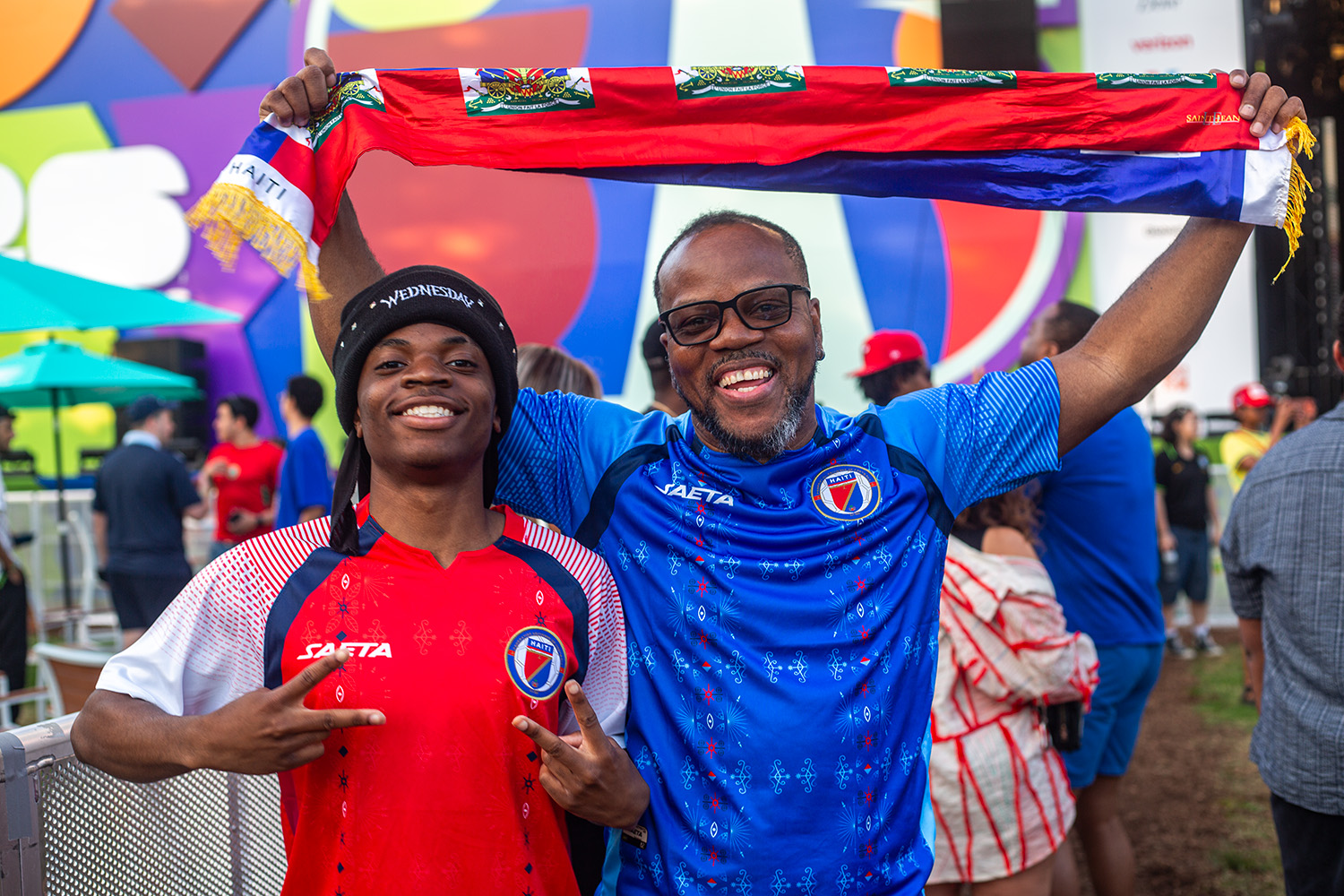
As someone of Haitian descent, this match held particular meaning. There were fewer of us representing Haiti on the Fort York grounds than the Haitian community that turned out in force in Foxborough, but we found each other, and the bond was immediate. Haitian fans have historically been strong supporters of Brazil, a love that runs deep through Caribbean football culture. But this year, with Haiti back on the global stage after five decades away, allegiances are unambiguous. I did notice, with some affection, that a few Haiti supporters present at the Fan Festival were still wearing their Brazil jerseys from the earlier match. The enthusiasm for Les Grenadiers was unmistakable all the same. Every missed Haitian opportunity drew a collective, visceral wince from our small group.
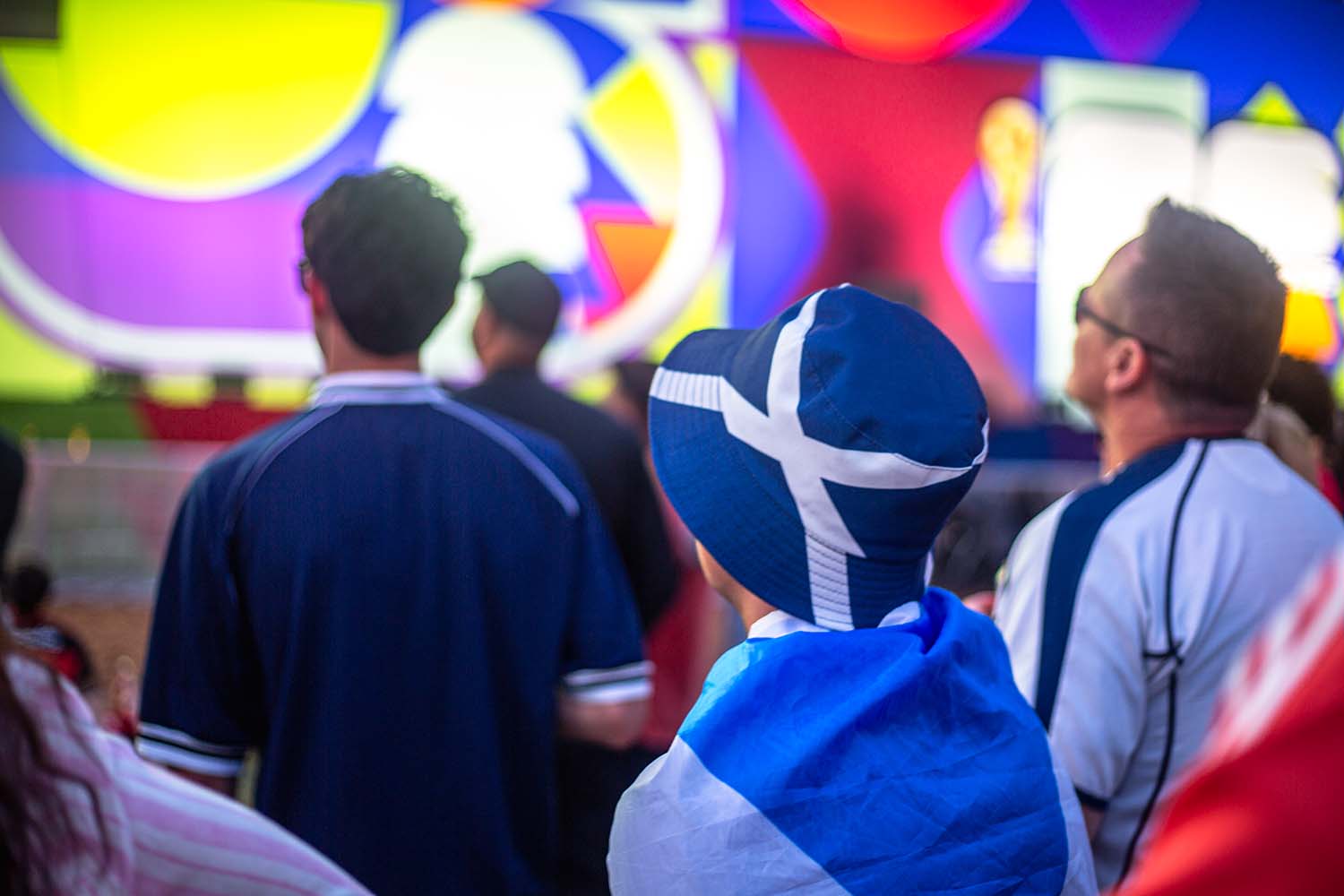
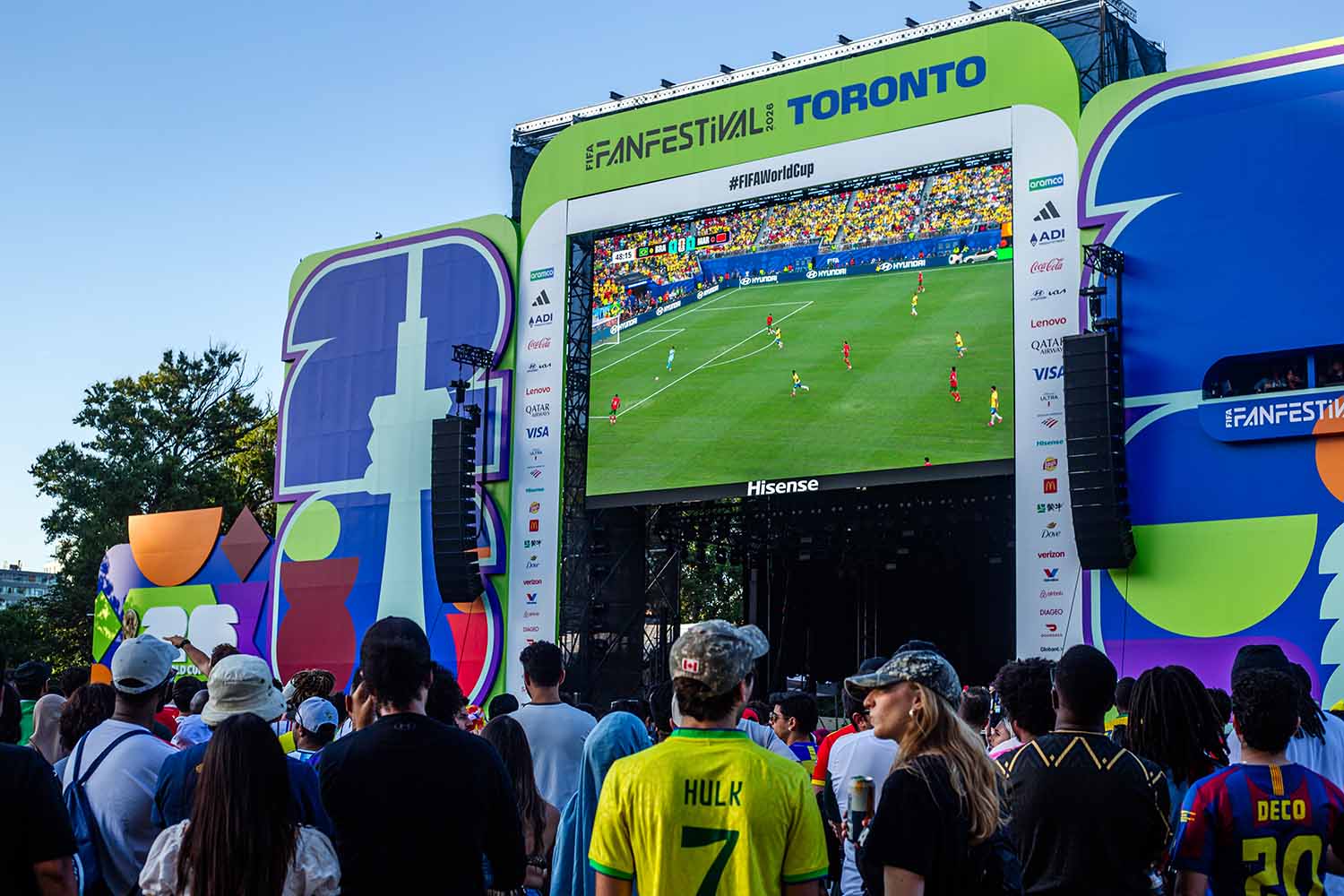
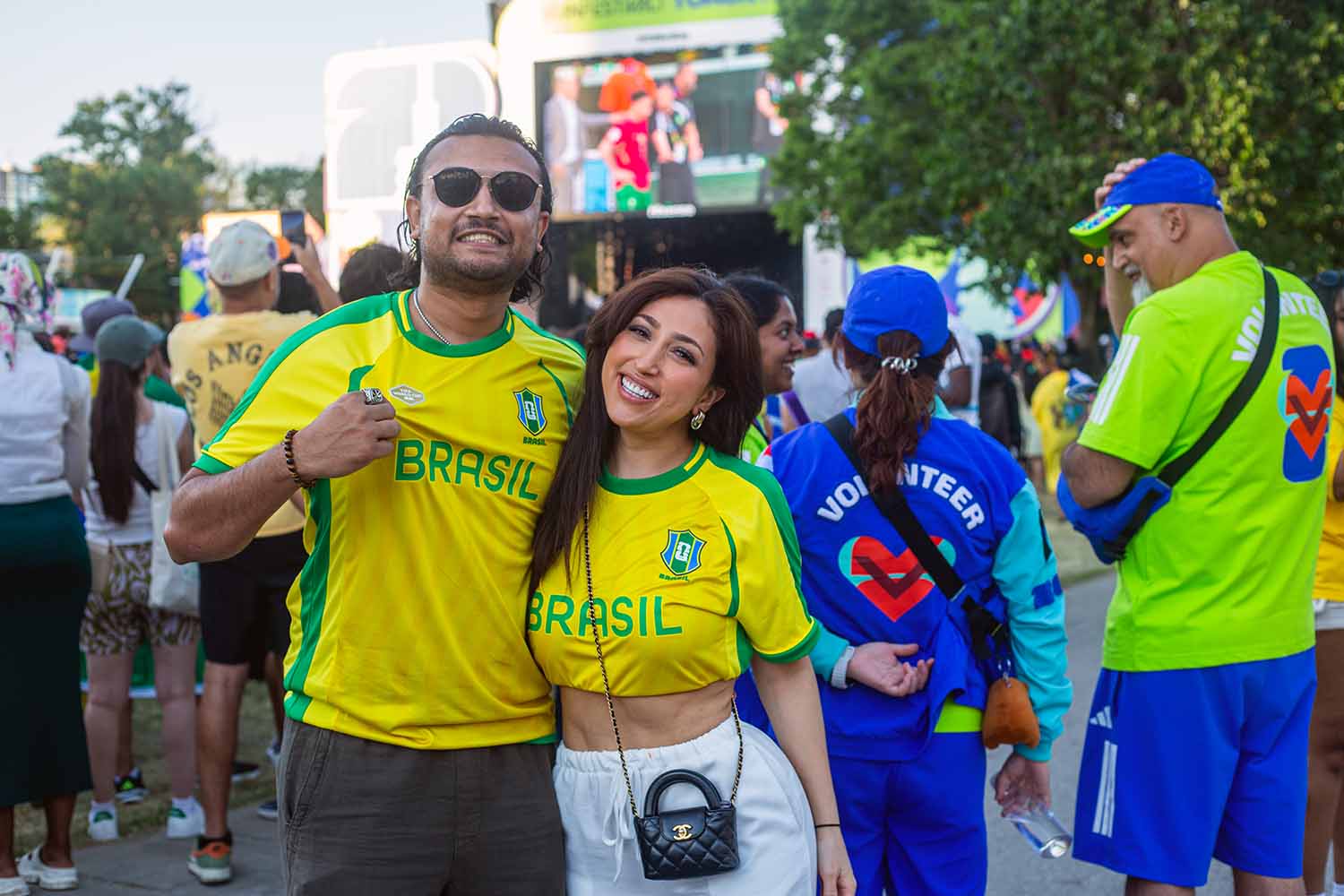
Meanwhile, across 12 time zones, I was WhatsApp-messaging live with a longtime Scottish friend in Macau, China, through every minute of the match. After Scotland's narrow win, he admitted what the statistics made plain: Haiti had been the better team. I told him I appreciated his candour and wholeheartedly agreed. But sometimes, the Football Gods have their ways.
What's still to come in Toronto
The city's footballing calendar is far from over. Toronto Stadium will host five more matches following Canada's opener, with Ghana vs. Panama, Germany vs. Ivory Coast, Panama vs. Croatia, Senegal vs. Iraq, and a Round of 32 fixture on July 2. Canada's own remaining group-stage fixtures move west, with Les Rouges taking on Qatar on June 18 and Switzerland on June 24, both at BC Place in Vancouver. Each of those Toronto match days, meanwhile, promises to bring a fresh wave of supporters, cultures and stories to the Fort York grounds and the stadium at Exhibition Place.
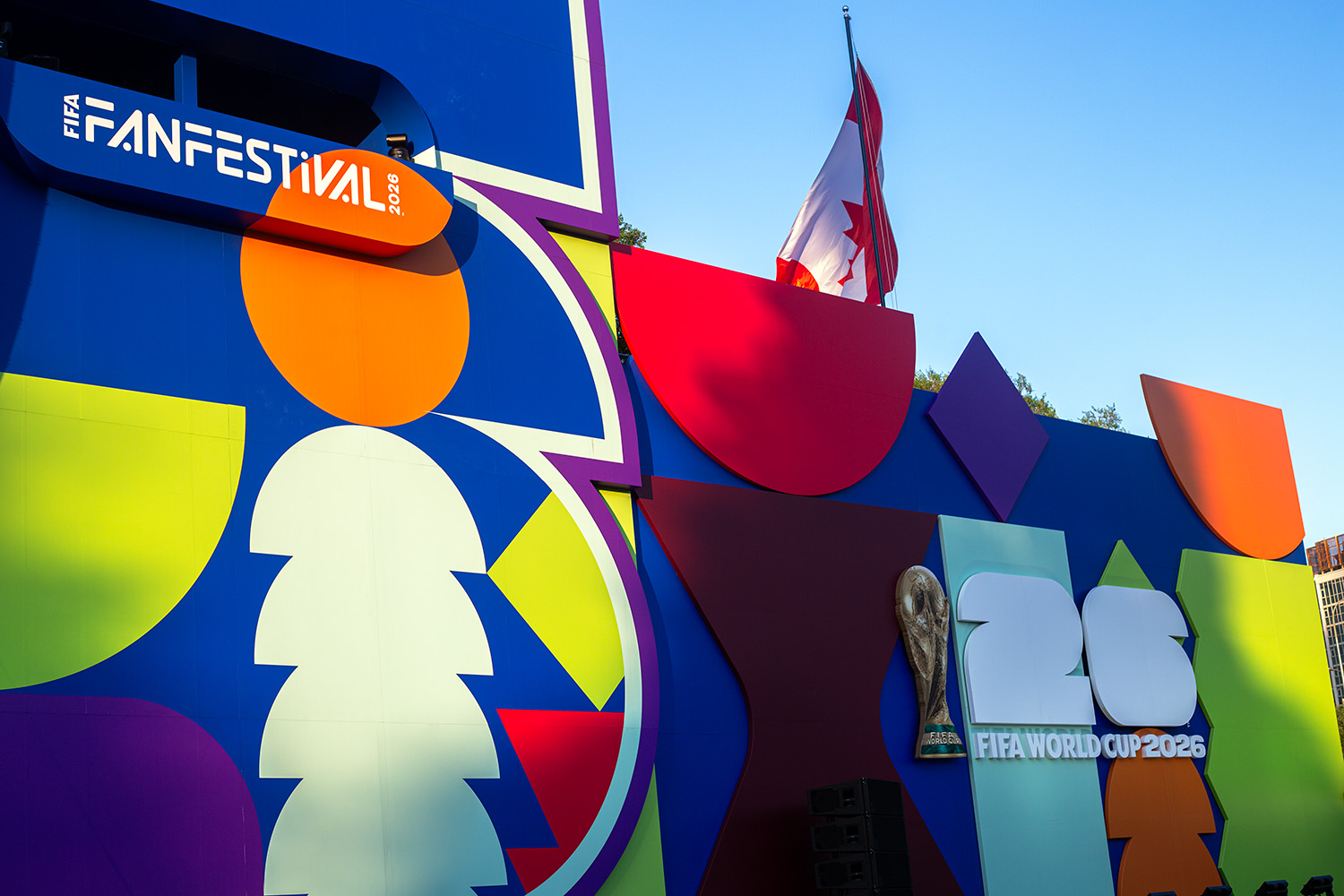
For those who haven't yet made it to the Fan Festival, the experience rewards the effort. The food is genuinely good, the crowd genuinely warm, and the sheer improbability of watching world-class football on a summer afternoon against the backdrop of a 200-year-old fort is something that won't repeat itself anytime soon. The Fan Festival runs through July 19, with live match broadcasts, diverse food options, art and entertainment, and cultural programming throughout the tournament. Tickets cannot be purchased at the gate; reservations are available online.
A tournament that belongs to everyone
The FIFA World Cup 2026 has only just begun, and already it has delivered moments that will be told and retold for years. Thousands of fans in red marching together to see football history made on home soil. Supporters from dozens of nations finding each other in the shadow of a Toronto fort, united by the world's most universal game.
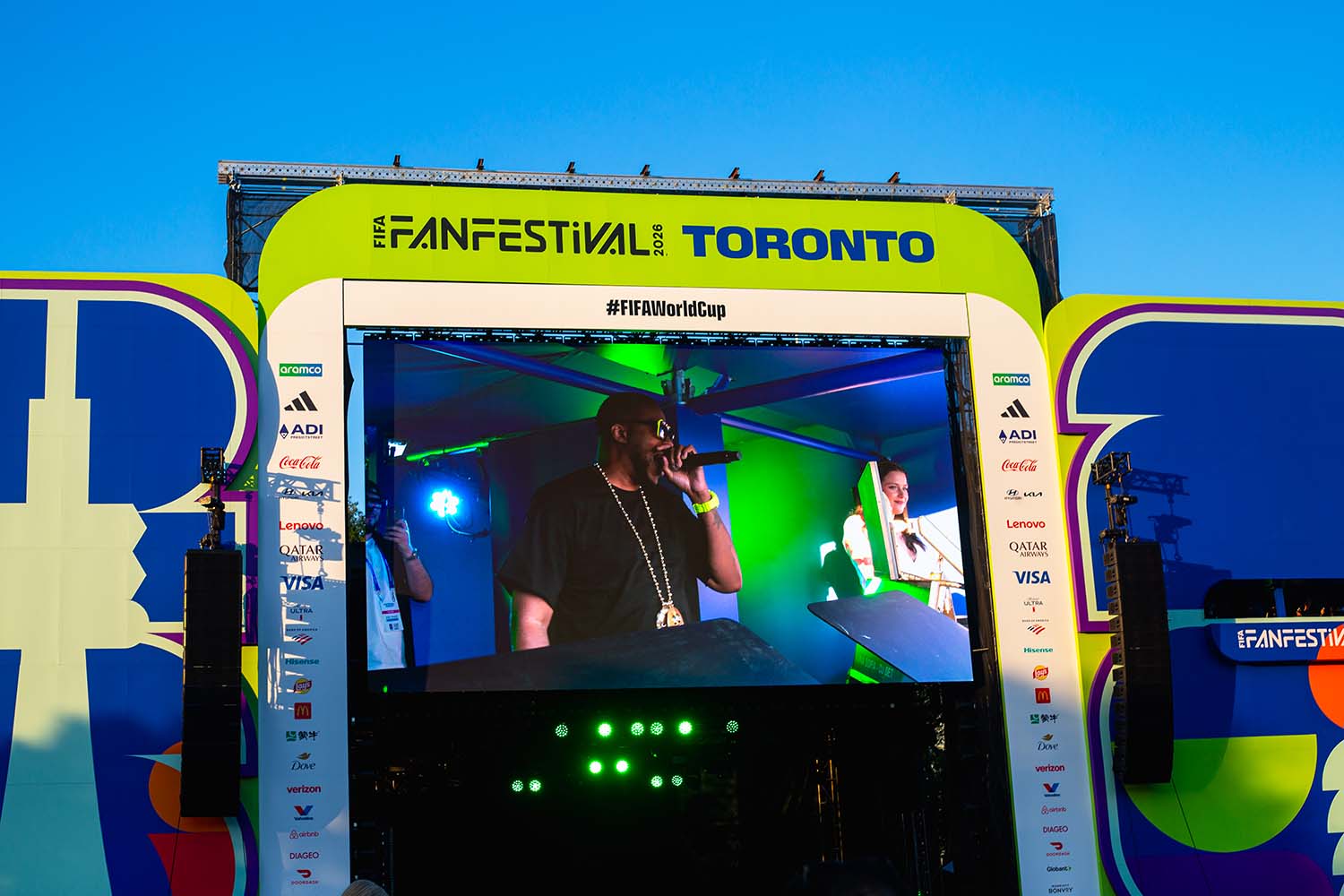
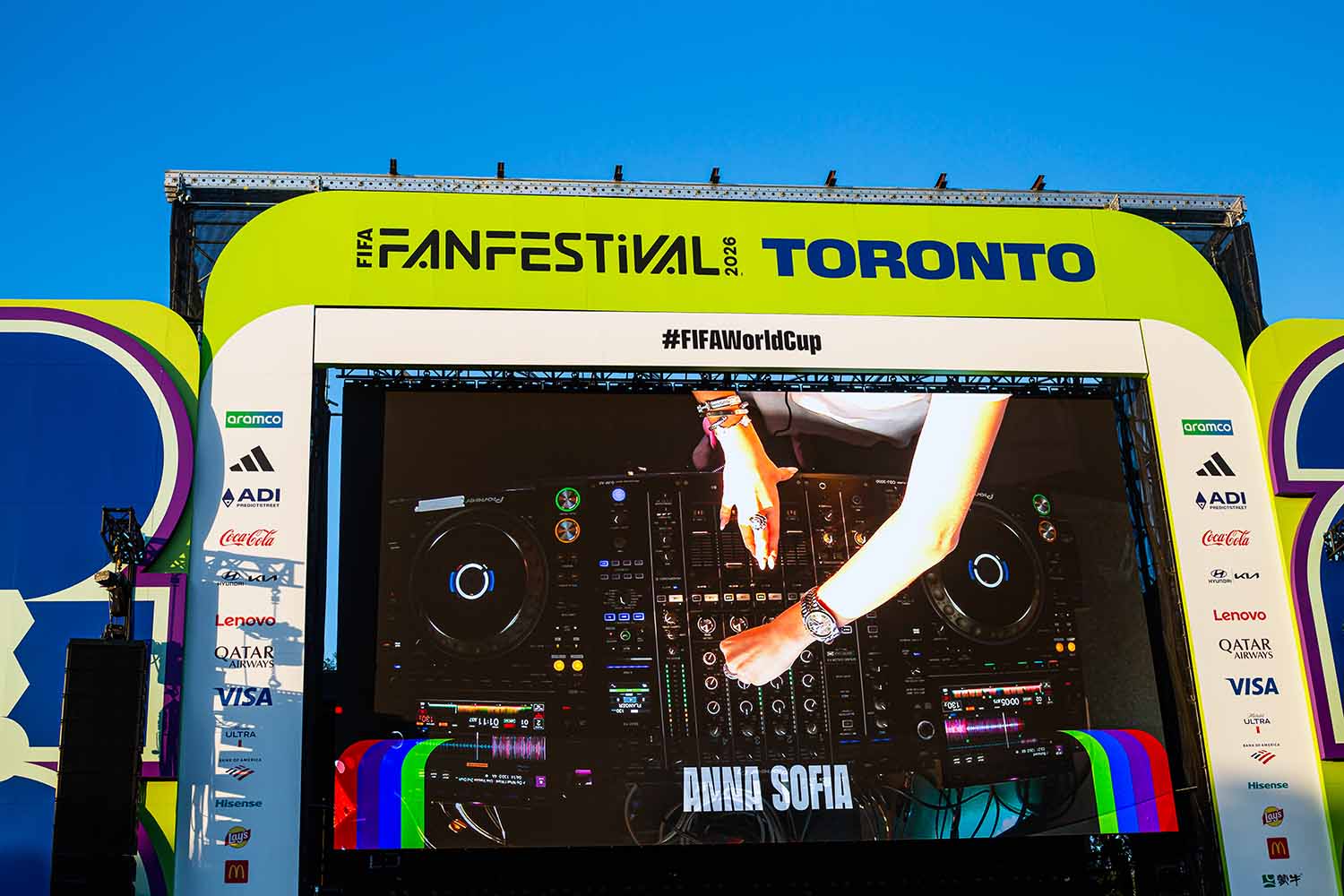
The music has matched the mood. The Fan Festival's performance lineup reads like a love letter to Canadian talent, with Alessia Cara, Deborah Cox, k-os, Bedouin Soundclash and Walk Off the Earth among the artists taking the stage throughout the tournament. Seeing Kardinal Offishall on the big screen at Fort York, hyping the crowd and introducing the next act just metres from where the Battle of York was fought more than two centuries ago, was one of those only-in-Toronto moments.
The cultural programming extends well beyond music, with First Nations group Spring Creek Dancers, Japanese taiko drumming ensemble Nagata Shachu, Korean drumming group HanBeat Nanta and Mexican ensemble Ballet Folklórico de México all part of the festival's wider artistic offering. It's a programming philosophy that takes the "World in a City" theme seriously rather than just printing it on a banner.
Toronto has always been a city that belongs to the world. This summer, the world has arrived, and the city is rising to meet it with exactly the warmth, energy and cultural pride you'd expect. From the Fan Festival grounds at Fort York to the roar inside Toronto Stadium, it is clear that this tournament has found one of its truest homes here.
Whether you're cheering for Canada, Brazil, Haiti, Scotland or any of the 48 nations competing, the invitation stands; come down, find your community, and be part of something genuinely historic.
All photos by Meres J. Weche. All rights reserved.