Articles
- Details
- Written by: News Canada
- Parent Category: Lifestyle
- Category: Food and Drink
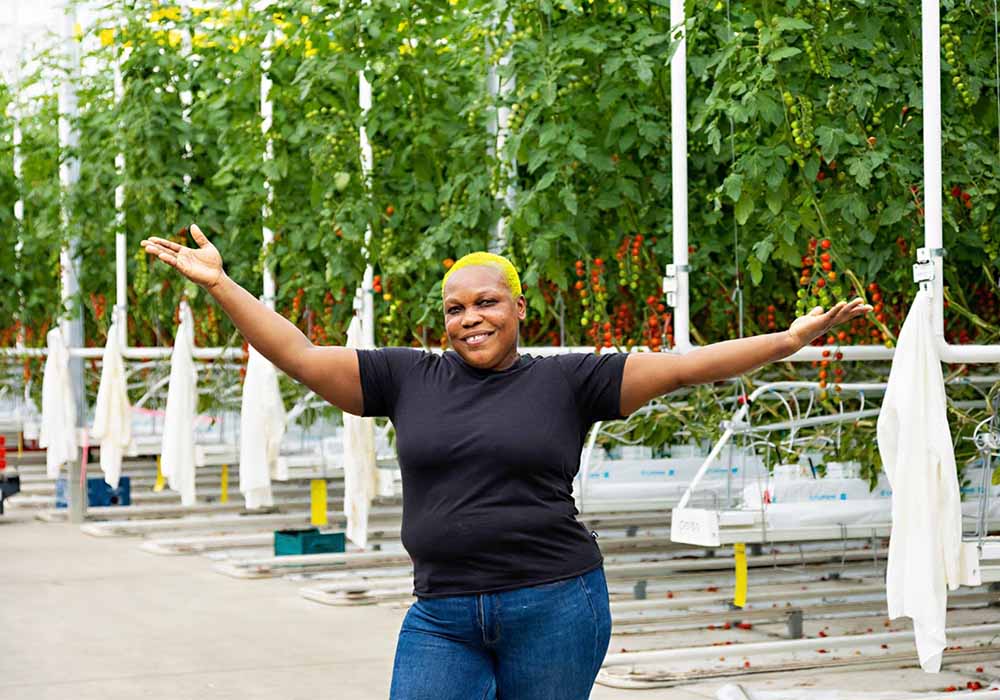
Before you slice into a fresh Ontario tomato or cucumber, meet one of the people who helps bring that food to your table.

- Details
- Written by: News Canada
- Parent Category: Lifestyle
- Category: Finance and Money
Financial setbacks don’t discriminate. A missed payment, a surprise bill or a stretch of reduced work hours can easily throw off your budget. When that happens, the most important thing is stopping the slide and getting things pointed back in the right direction. Getting everything back to normal will happen in its own time, not necessarily immediately.

- Details
- Written by: News Canada
- Parent Category: Lifestyle
- Category: Health and Fitness
It seems like, in the information age, there’s more health advice to sort through than ever. While it can sometimes be overwhelming, many Canadians are paying more attention to things like their gut, heart and lung health. But one part of the body that doesn’t always get attention is the very part that’s processing all this health information: your brain.
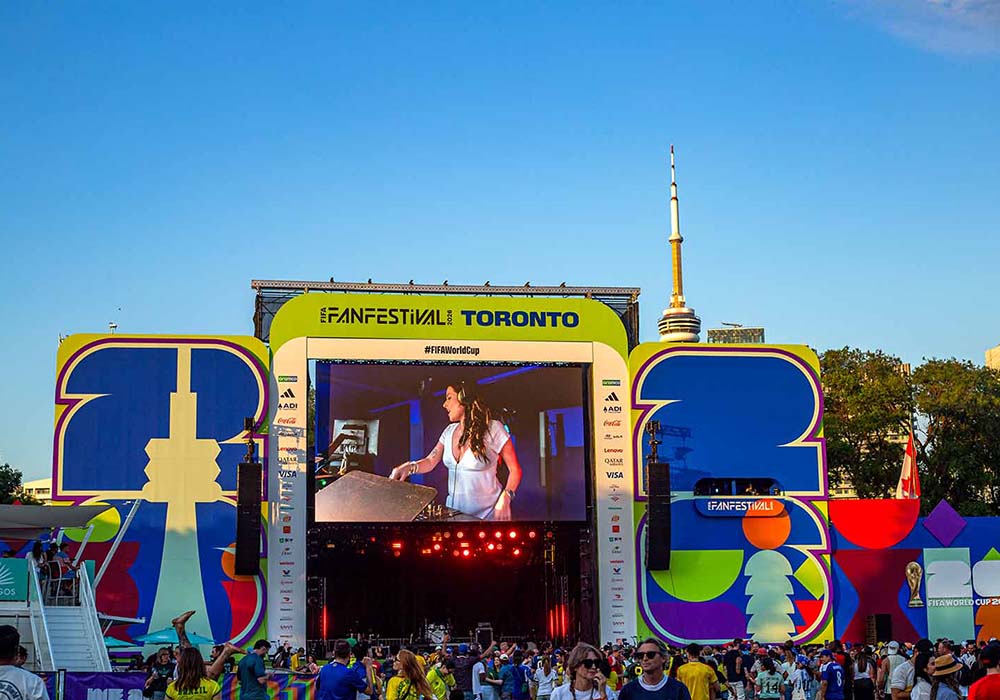
The FIFA World Cup 2026 has arrived, and Toronto is fully in the grip of tournament fever. From the lively crowds at the FIFA Fan Festival at Fort York to the electric roar inside Toronto Stadium for Canada's historic home debut, the first few days have delivered unforgettable moments. Weather scares, heart-stopping goals, and the warm embrace of a multicultural city celebrating the beautiful game — this is the World Cup Toronto was born to host.
There's something unmistakable about a city that has caught football fever. It's in the jerseys strangers wear to the grocery store, the flag-draped balconies, and yes, on a warm Saturday afternoon in June, a packed Bathurst streetcar heading south toward the lake.

YENSA Festival returns to Toronto for its third edition, August 20–23, 2026, at the Betty Oliphant Theatre. Produced by Lua Shayenne Dance Company, this international biennial celebration of Black women in dance brings together five choreographers for the Black Flames showcase, three Africa Vibes movement workshops, the communal ATSIA Circle, and the YENKA Social. Under the theme AS I AM, YENSA honours Black women artists claiming space on their own terms.
Something is building at the corner of Jarvis Street. This August, YENSA Festival returns to Toronto for its third edition, and the energy arriving with it is hard to miss. Produced and presented by Lua Shayenne Dance Company (LSDC), YENSA Festival's mission is to highlight choreographic work by Black women choreographers around the globe, alongside the research and creative process that shapes their practice. Its driving principles are solidarity, sisterhood, and artistic excellence.
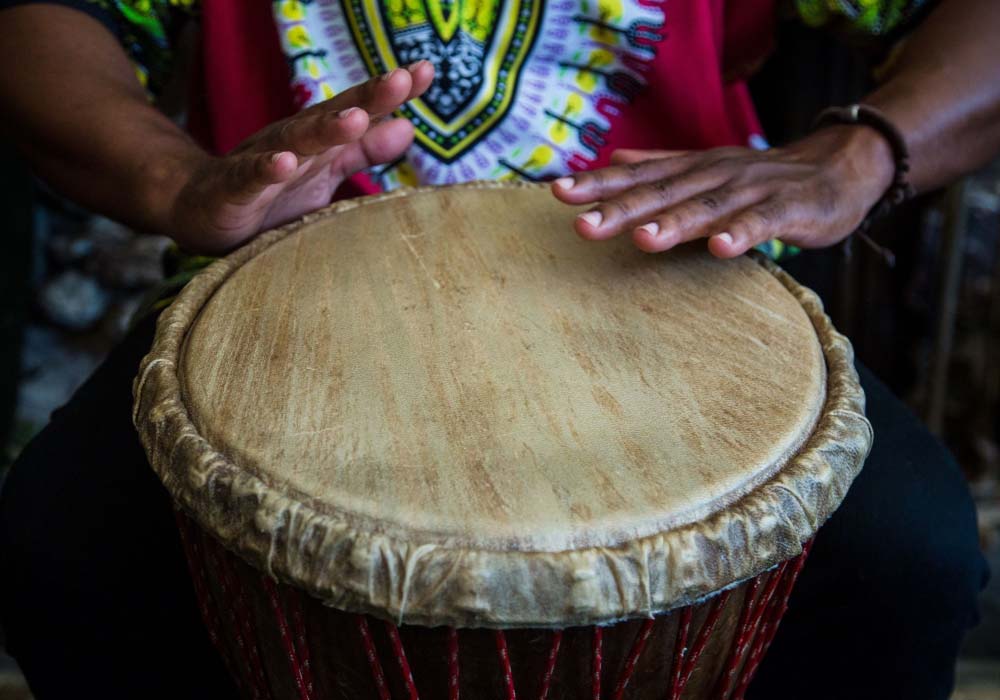
From June 17 to 20, 2026, Nathan Phillips Square becomes a free, four-day celebration of global rhythm during FIFA 2026. Unity Drum Fest, presented by Ballet Creole in partnership with the South By South East Festival, brings together drumming traditions from across Africa, the Caribbean, Asia, South Asia, Latin America and Indigenous communities, alongside FIFA match viewing parties, cultural performances, food vendors and family programming.
Toronto has hosted its share of big moments. FIFA 2026 is another. But while the world's attention shifts to the pitch, something equally powerful is taking shape just a few blocks from City Hall.
- Details
- Written by: AfroToronto Team
- Parent Category: Lifestyle
- Category: Food and Drink
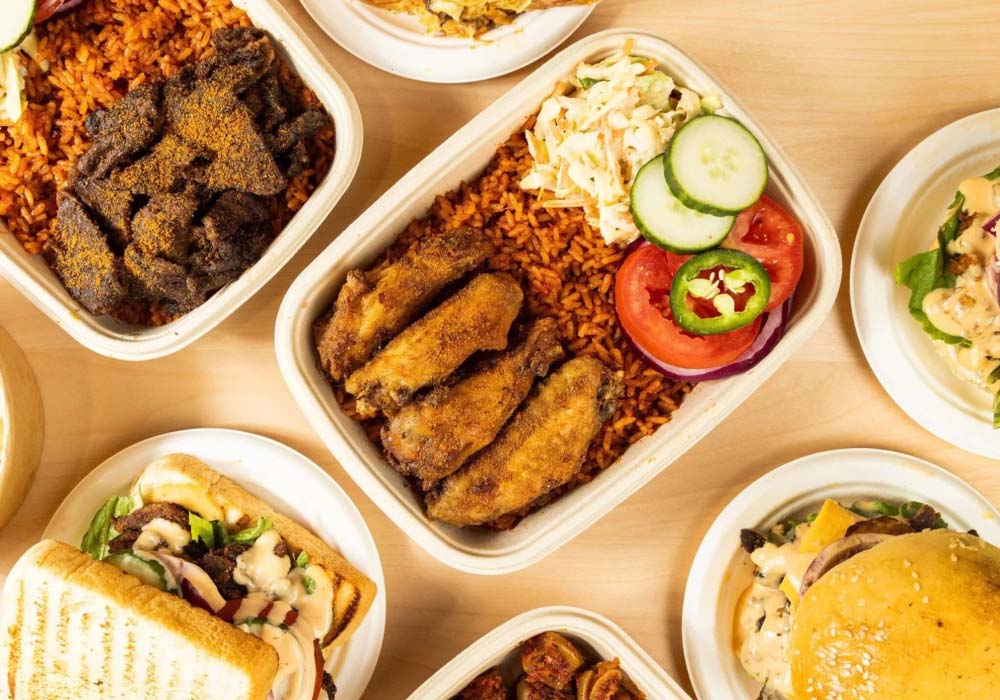
Chef Tolu Okojie is the founder of Greelz, a Nigerian Afro-fusion restaurant with two Toronto locations participating in ByBlacks Restaurant Week 2026 (May 11–17). From catering out of a home kitchen to running one of the city's most talked-about food brands, Okojie has built his business on suya, premium ingredients and a bold commitment to bringing Nigerian street food to the world, no shortcuts taken.
There are restaurants that serve food, and then there are restaurants that carry a mission. Greelz, the Nigerian Afro-fusion brand founded by Chef Tolu Okojie, fits squarely in the second category. Born from the streets of Lagos and refined in the heart of Toronto, Greelz has become one of the most distinctive food stories in a city already overflowing with culinary talent.
Every meal counts: How Frontlines Catering is feeding community and building youth futures in Weston
- Details
- Written by: AfroToronto Team
- Parent Category: Lifestyle
- Category: Food and Drink
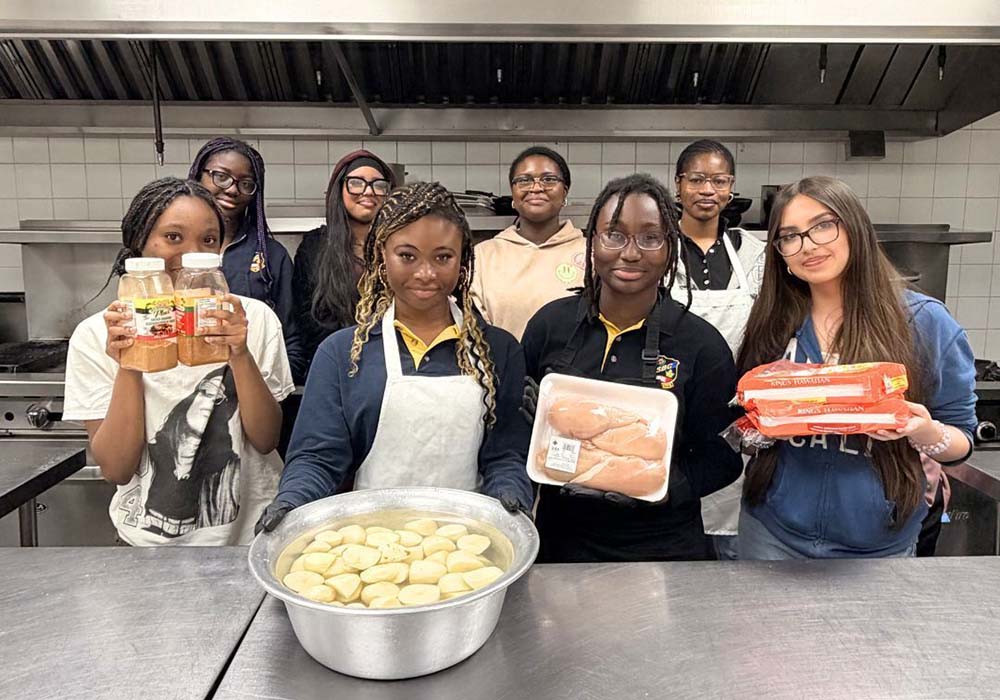
In Toronto's Weston neighbourhood, a quiet revolution is happening one meal at a time. Frontlines Catering, the social enterprise arm of Weston Frontlines Centre, uses food to fund youth programming, employment training and community food access. During ByBlacks Restaurant Week 2026, the organization brings its Caribbean-inspired menu to a national stage. We sat down with Culinary Lead Shannae Rowe to talk food, purpose and the futures being built in that kitchen.
There are catering companies, and then there are operations that carry the weight of a whole community on their shoulders. Frontlines Catering, the food services arm of Weston Frontlines Centre, falls squarely into the second category. Tucked into a neighbourhood that doesn't always make the city's highlight reel, Frontlines has quietly served Toronto's Weston community for nearly four decades, using meals to fund youth programs, employment training, mental health support and weekly grocery access for families who need it most.
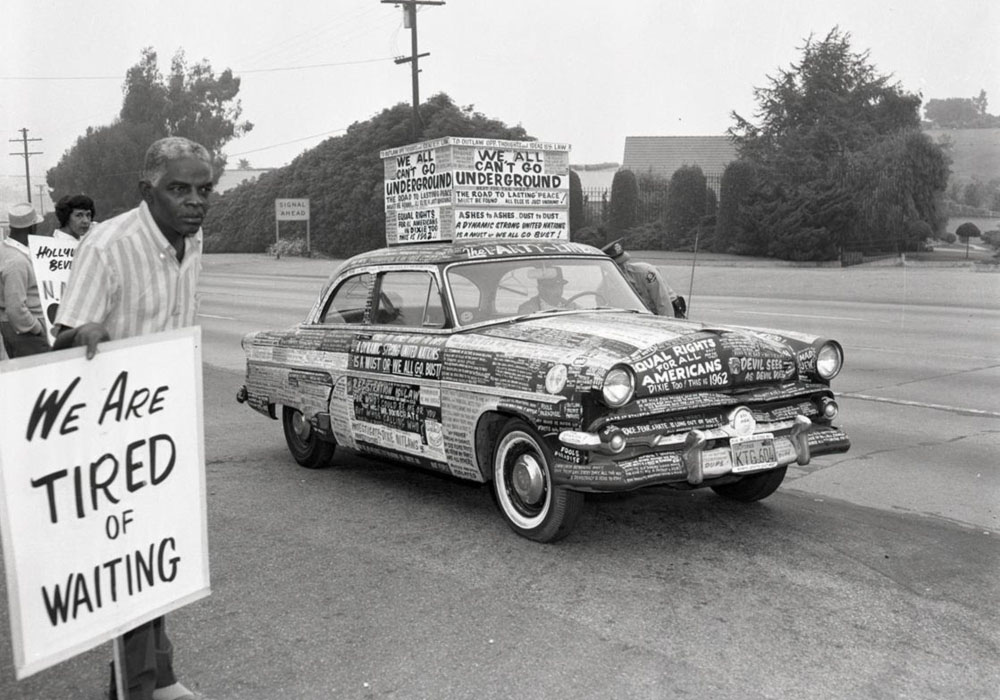
A landmark exhibition tracing photography's role in the Black Arts Movement arrives at the Mississippi Museum of Art in Jackson from July 25 to November 8, 2026. Photography and the Black Arts Movement, 1955–1985 brings together over 150 works by more than 100 artists from across the African diaspora. For Black Canadian travellers, it's a rare invitation to combine cultural pilgrimage with the deep, soulful history of the American South.
There are exhibitions, and then there are events that feel more like a reckoning. Photography and the Black Arts Movement, 1955–1985, currently on a national tour organized by the National Gallery of Art in Washington, D.C., is firmly in the second category. This summer, it lands at the Mississippi Museum of Art (MMA) in Jackson, on view from July 25 to November 8, 2026, marking its final stop after acclaimed runs at the National Gallery and the J. Paul Getty Museum in Los Angeles.
- Details
- Written by: AfroToronto Team
- Parent Category: Lifestyle
- Category: Mental Health
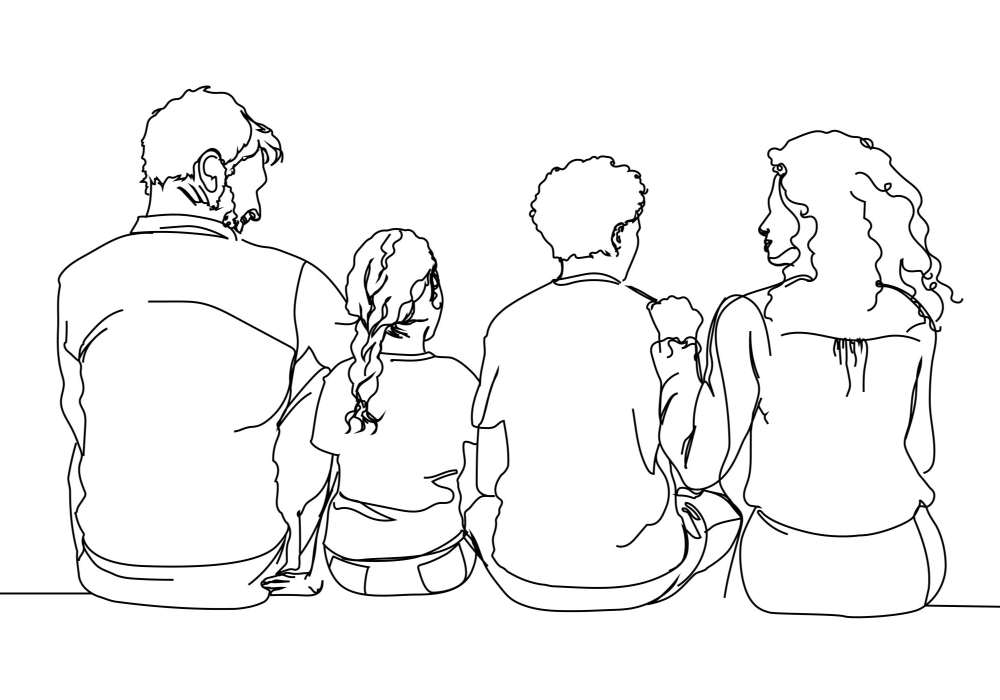
May is Mental Health Month, a meaningful reminder to check in on yourself and those you love. For many families in Ontario's Black and African diaspora communities, seeking mental health support comes with real cultural and systemic barriers. Regulated social workers and social service workers offer a trustworthy path forward. Understanding who regulates them, how accountability works, and how to verify credentials before reaching out can make all the difference.
May is Mental Health Month, which makes it a good time to do something many of us put off: check in honestly on how we're doing and think about whether the people around us are actually getting the support they need.