
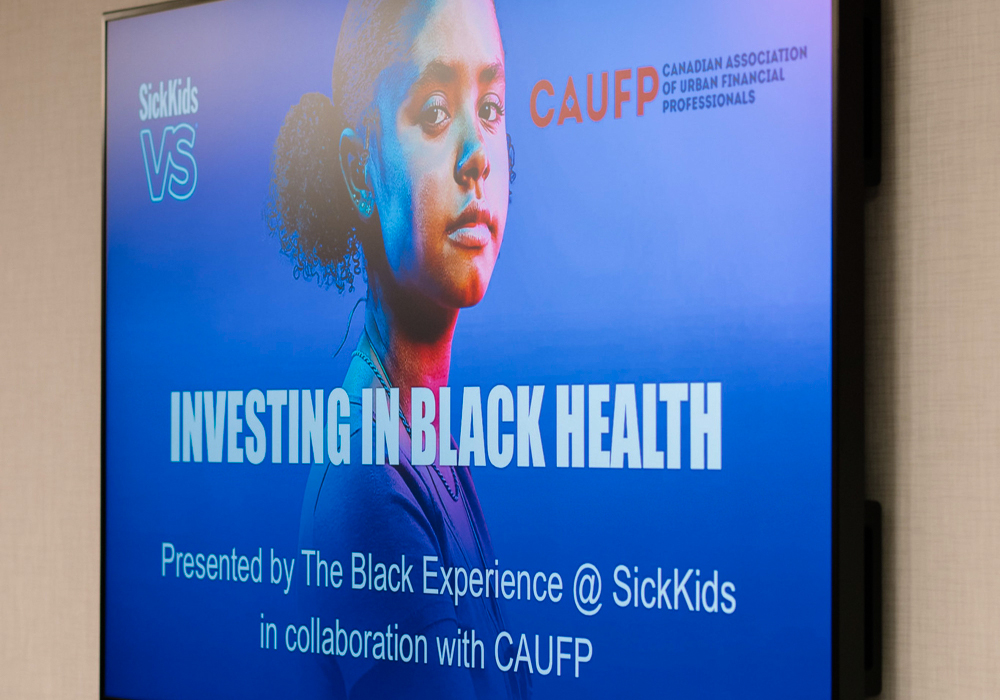
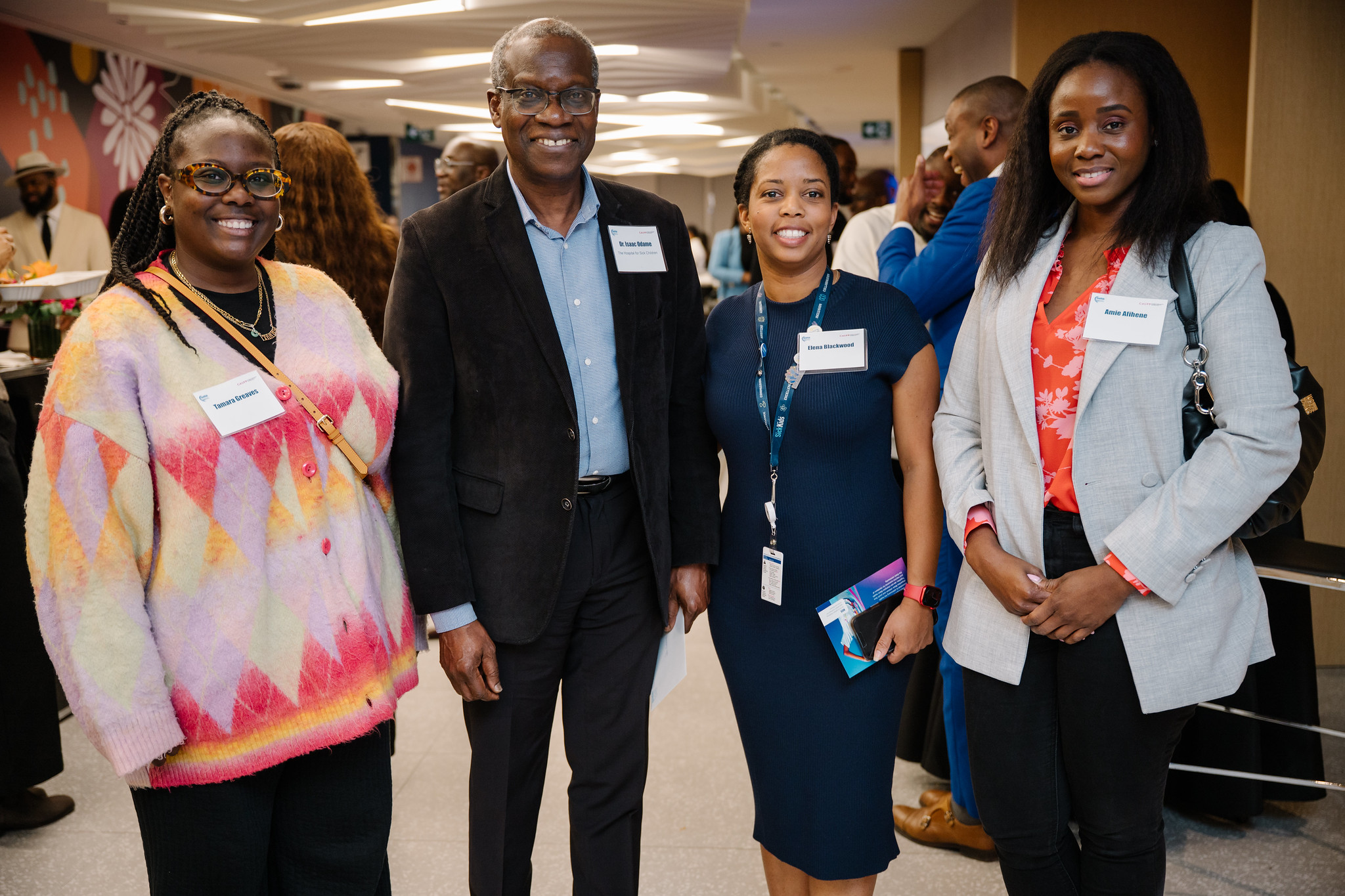
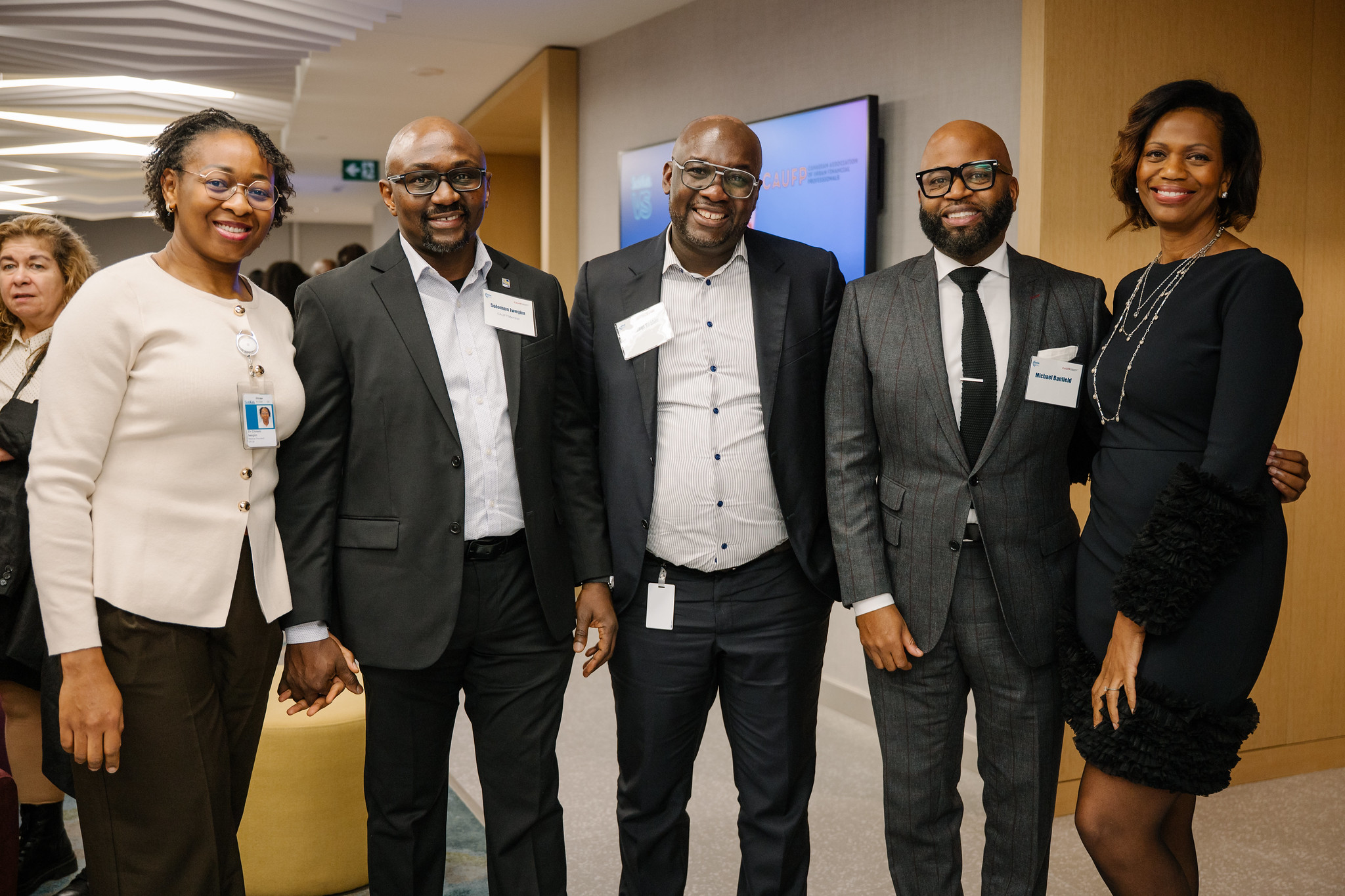
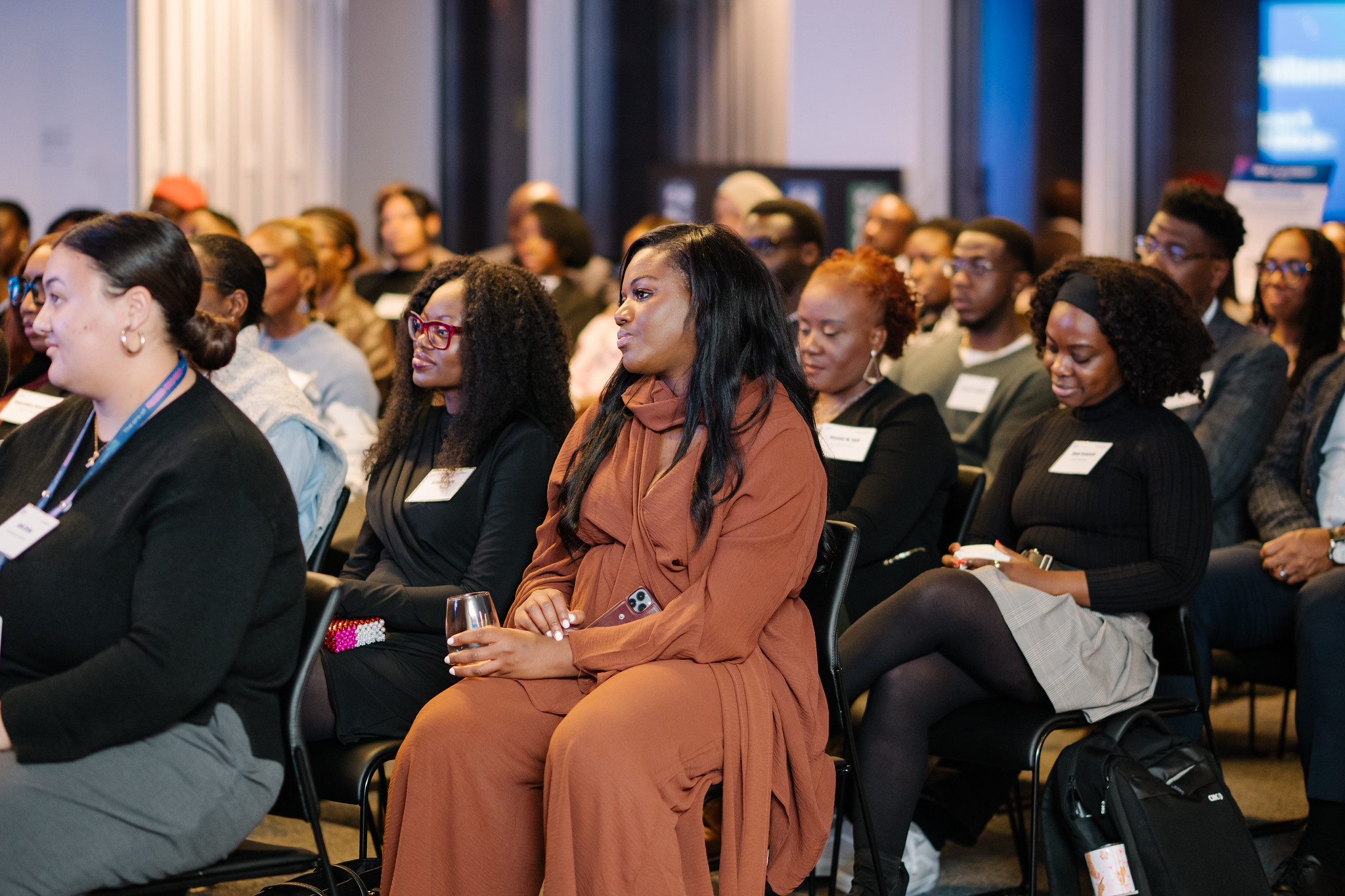
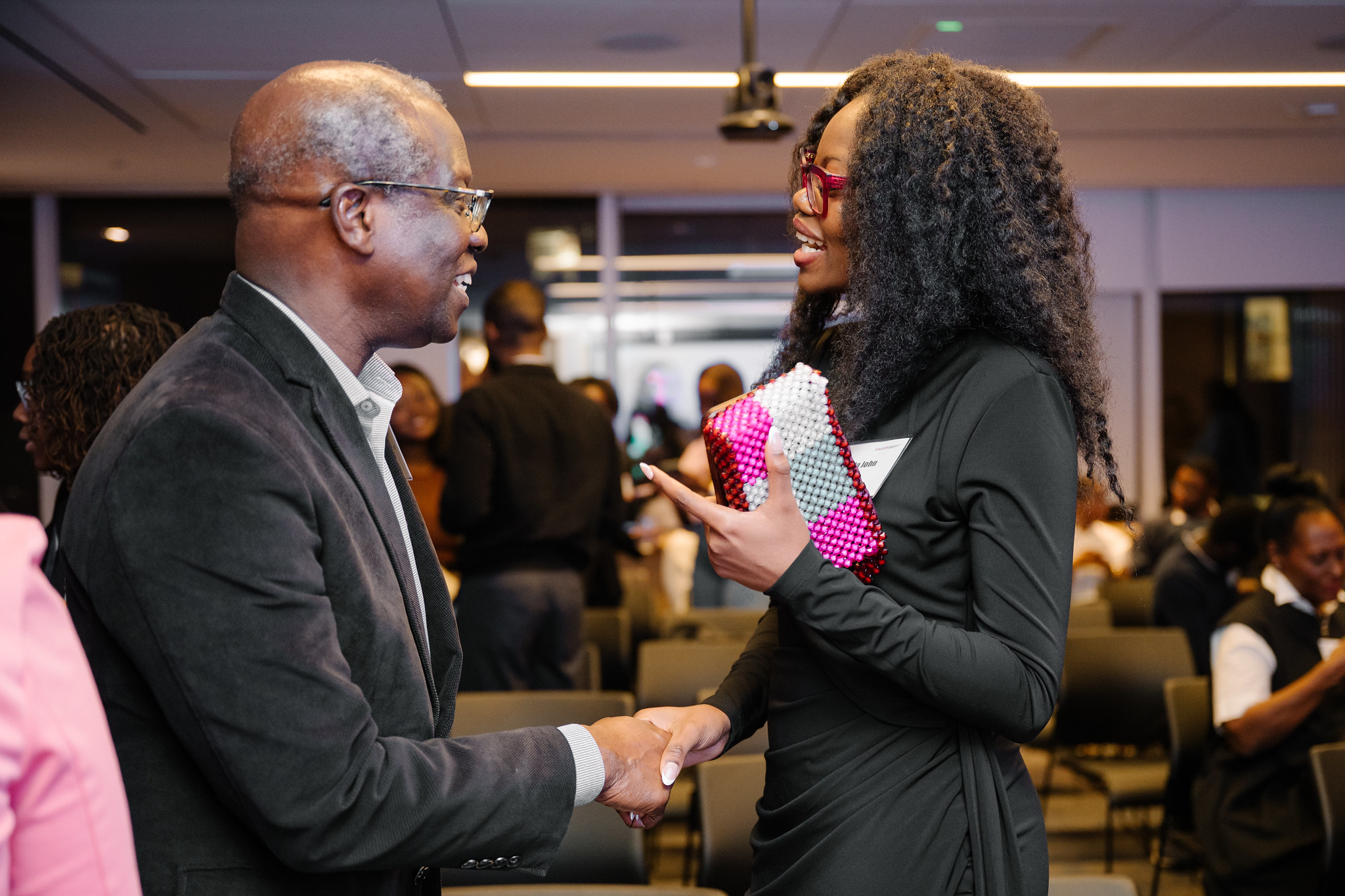
An inspiring evening hosted by the Black Experience @ SickKids brought together community leaders, families, and donors. The event highlighted the urgency of equitable care and the collective responsibility of improving health outcomes for Black children.
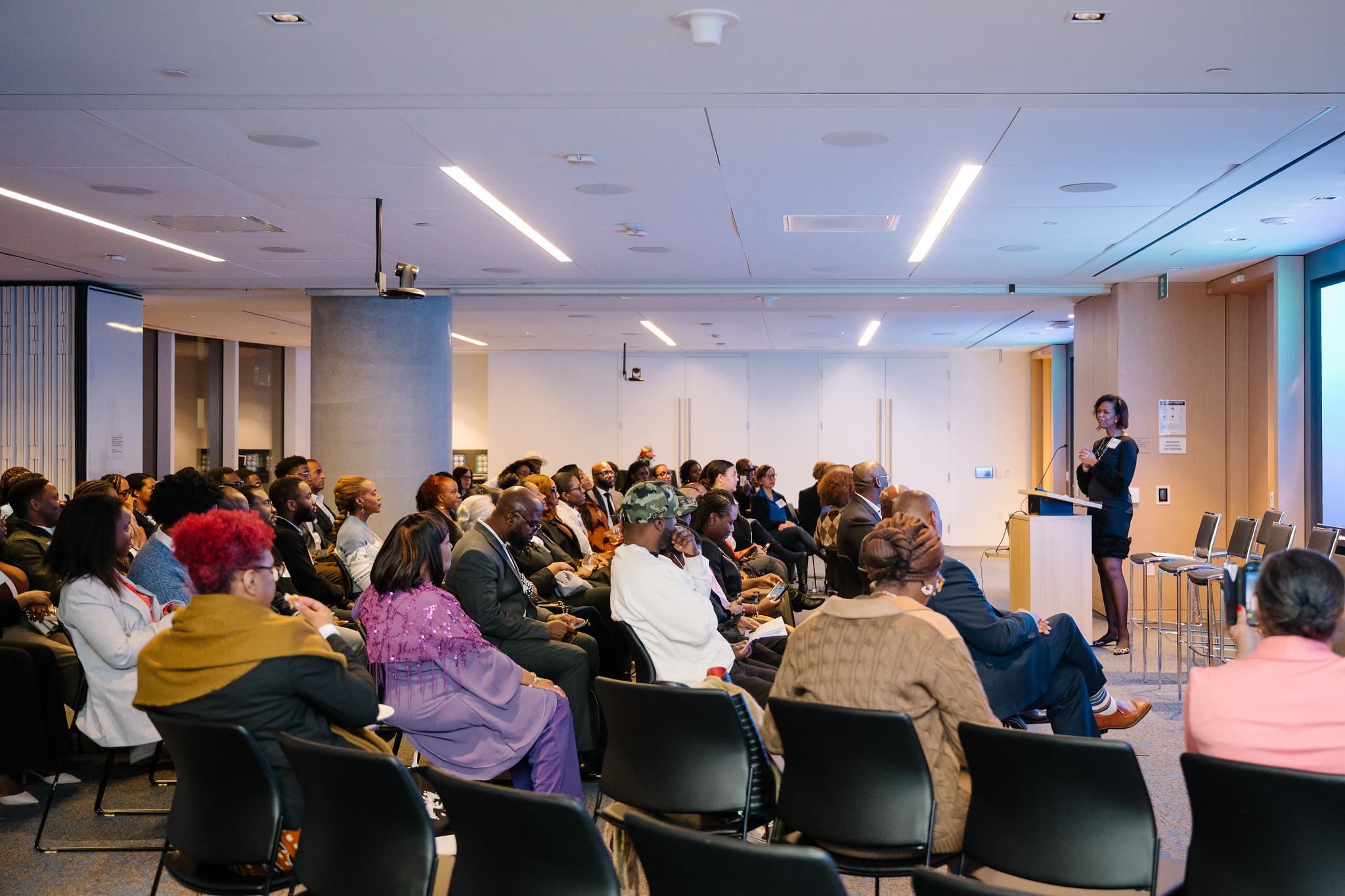
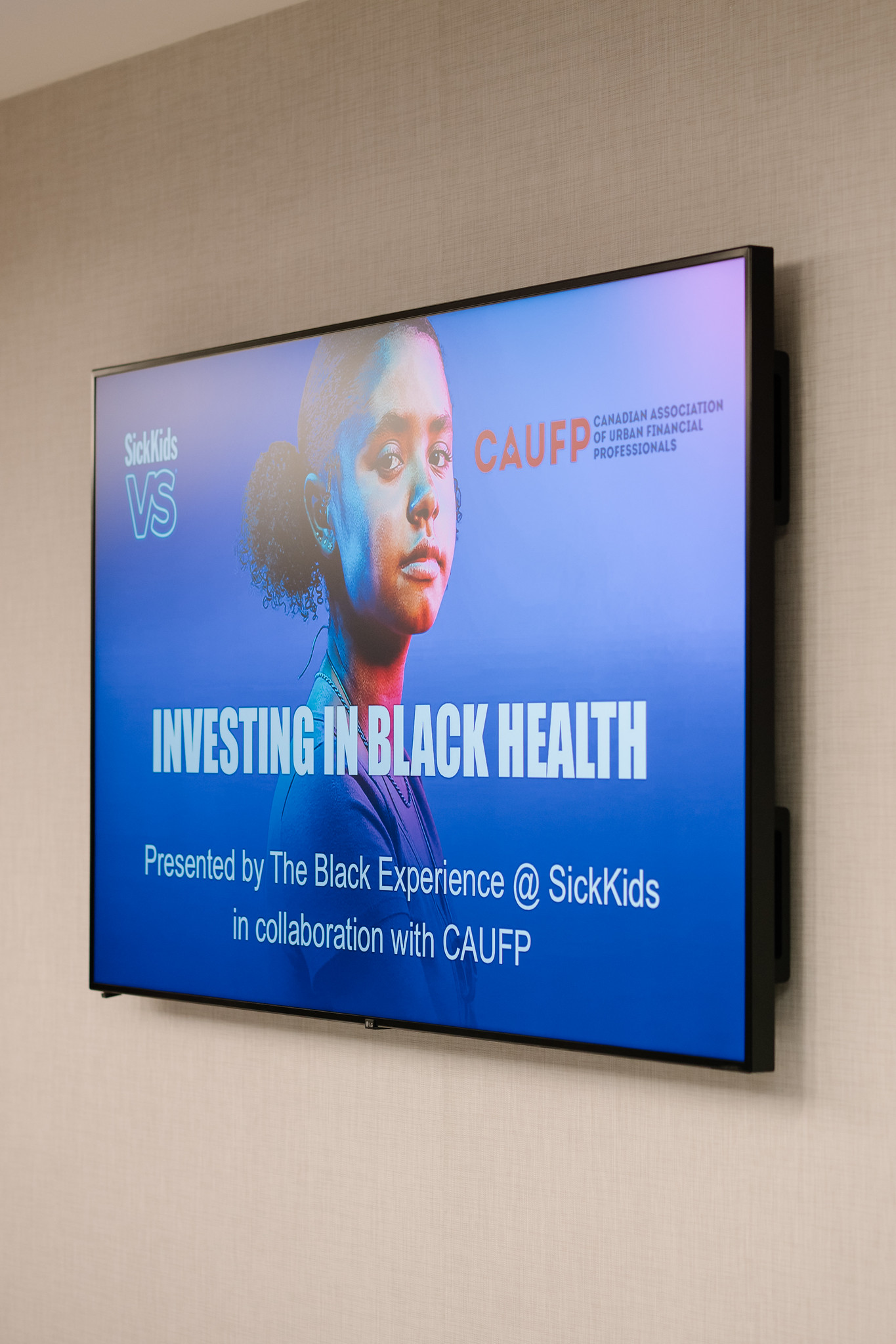
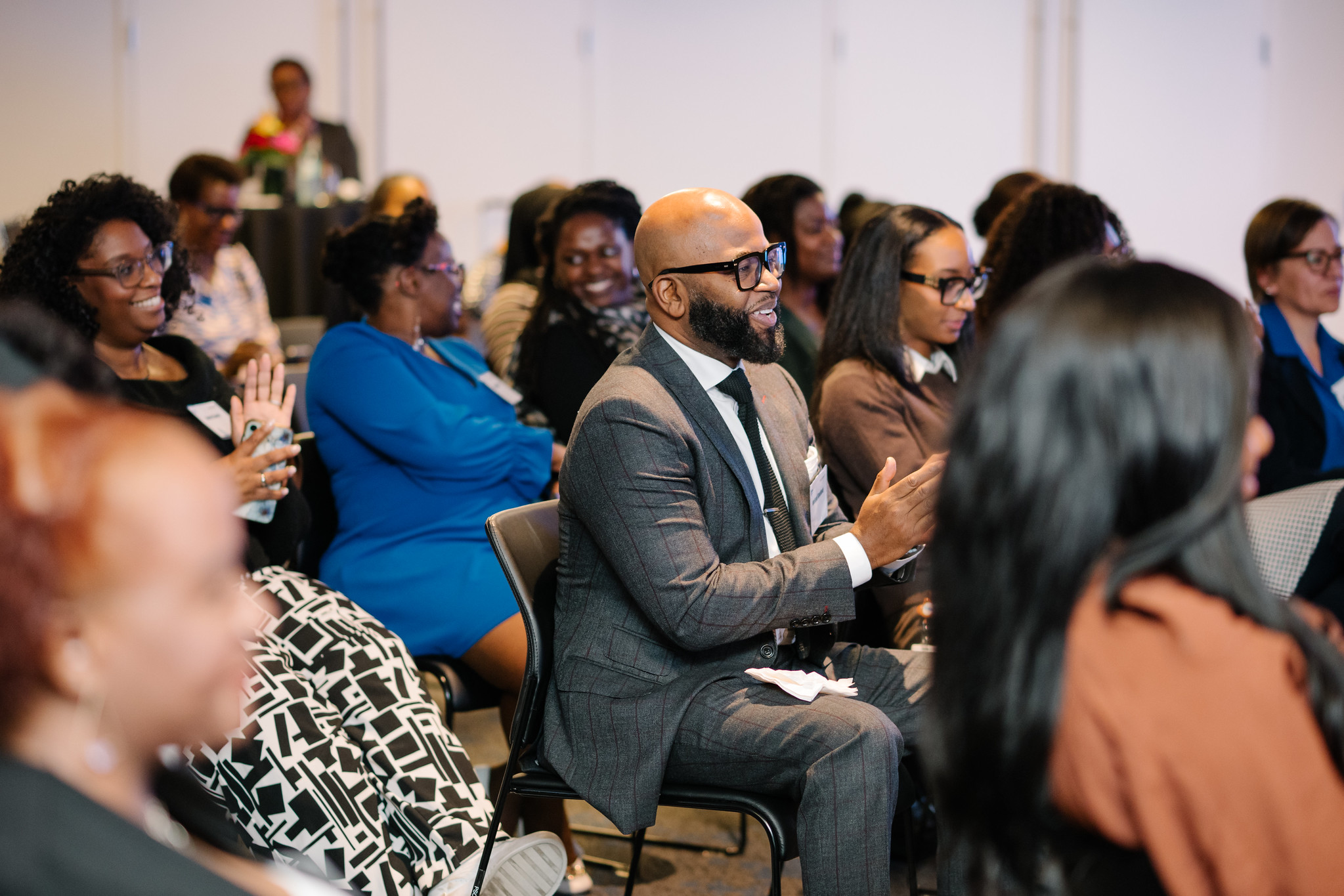
Members of Toronto’s Black community gathered last week for a meaningful and deeply resonant evening hosted by the Black Experience @ SickKids (BE@SK) in collaboration with the Canadian Association of Urban Financial Professionals (CAUFP). Held recently, on November 20, the event brought together more than 100 people dedicated to one shared goal: strengthening health outcomes and ensuring equitable care for Black children and families.
BE@SK is an initiative reshaping how Black patients experience care at SickKids. Its work focuses on equity in health outcomes, culturally informed support, and strong community partnerships. The event served as a moment to reflect on what progress looks like and why intentional investment in Black health is essential.
A night that began with truth and purpose
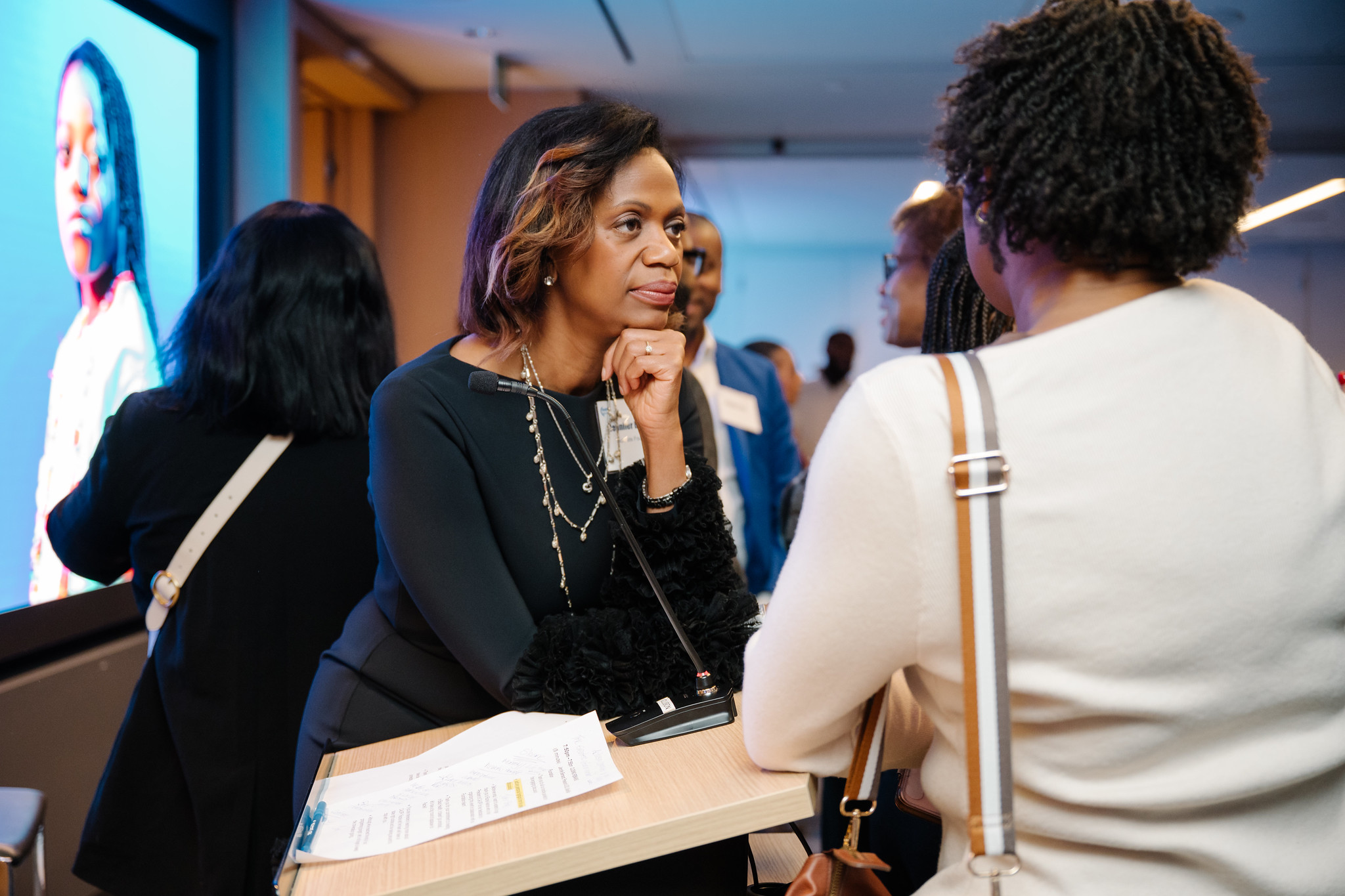
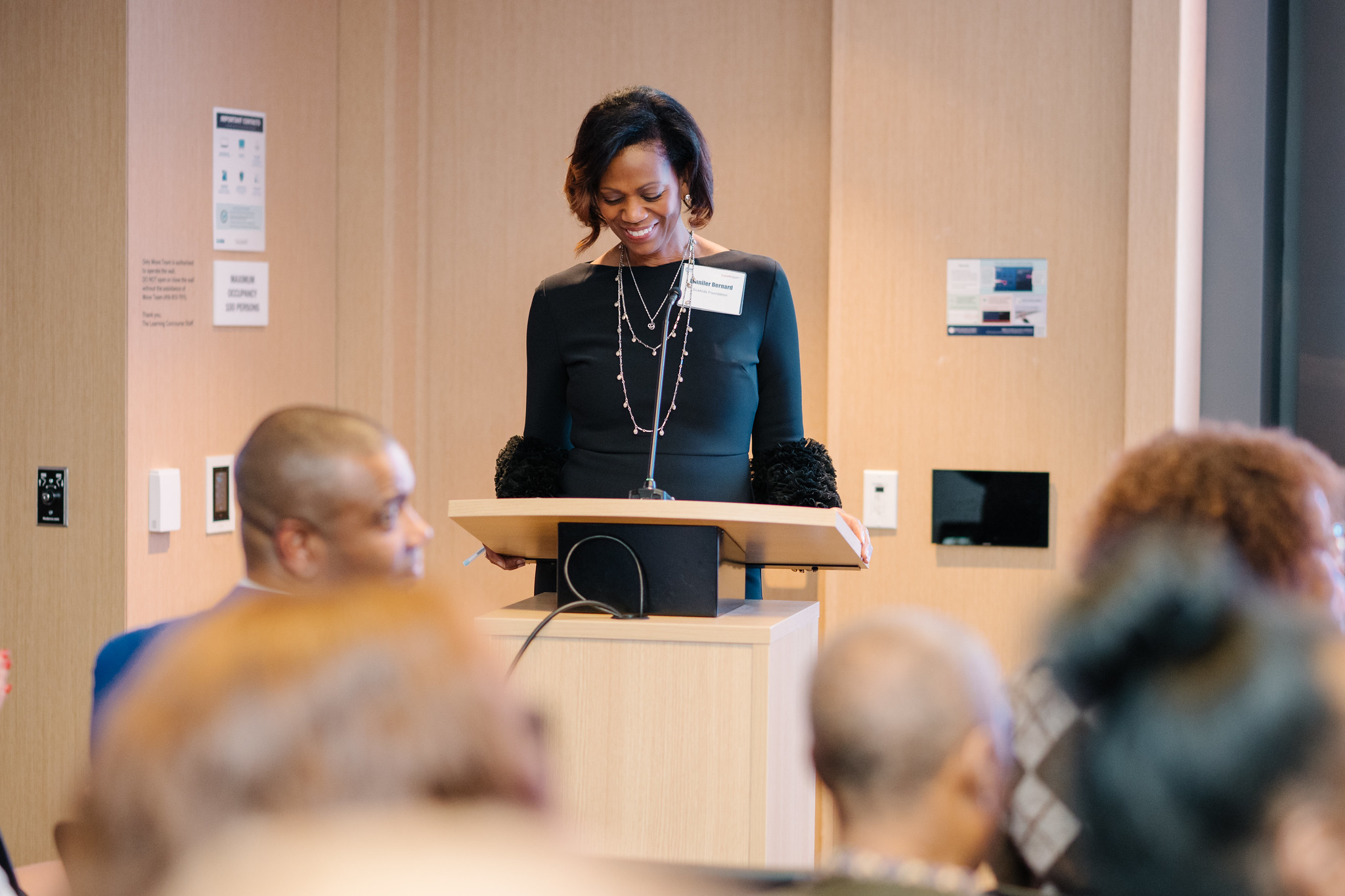
Jennifer Bernard, President and CEO of SickKids Foundation, opened the evening with real talk about trust, philanthropy, and equity. She spoke to the responsibility institutions hold in ensuring that Black families feel fully seen within the healthcare system. Her remarks helped set the tone for a night grounded in honesty and hope.
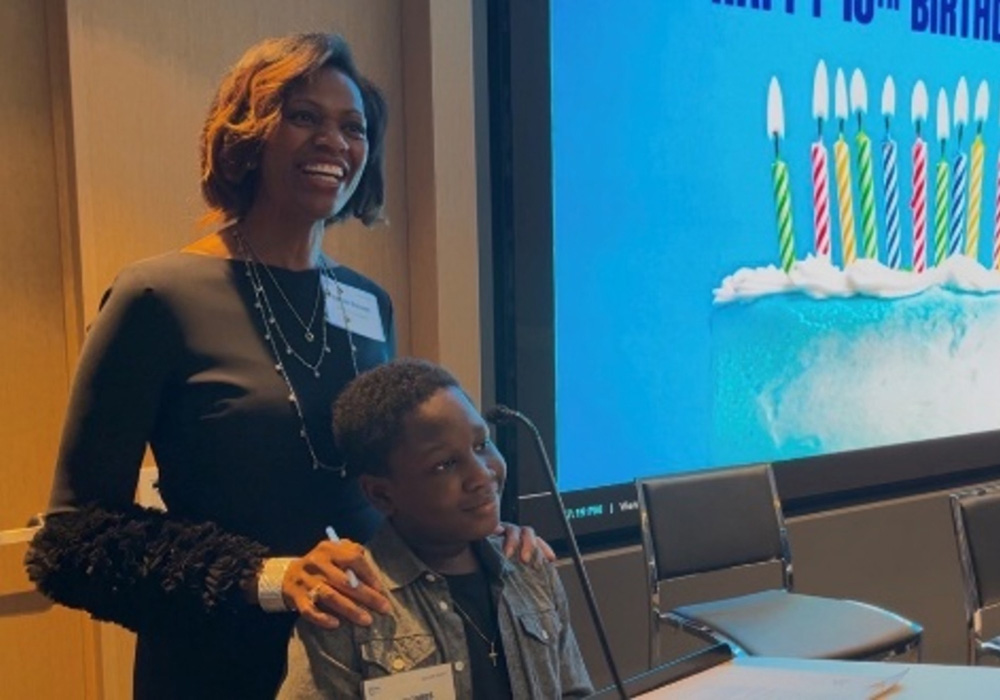
Avery’s story: The emotional centre of the evening
Nothing captured the heart of the room more than the moment Avery, a SickKids patient, stepped onto the stage. Now ten years old, Avery shared his experience with Hemophagocytic Lymphohistiocytosis (HLH), a rare and life-threatening immune disorder. His journey began as an infant when he spent months at SickKids, and he faced relapse again this year. His treatment included chemotherapy, long hospital stays, and two stem cell transplants.
Both transplants came from his younger sister, Gabrielle, who was a perfect match and saved his life twice.
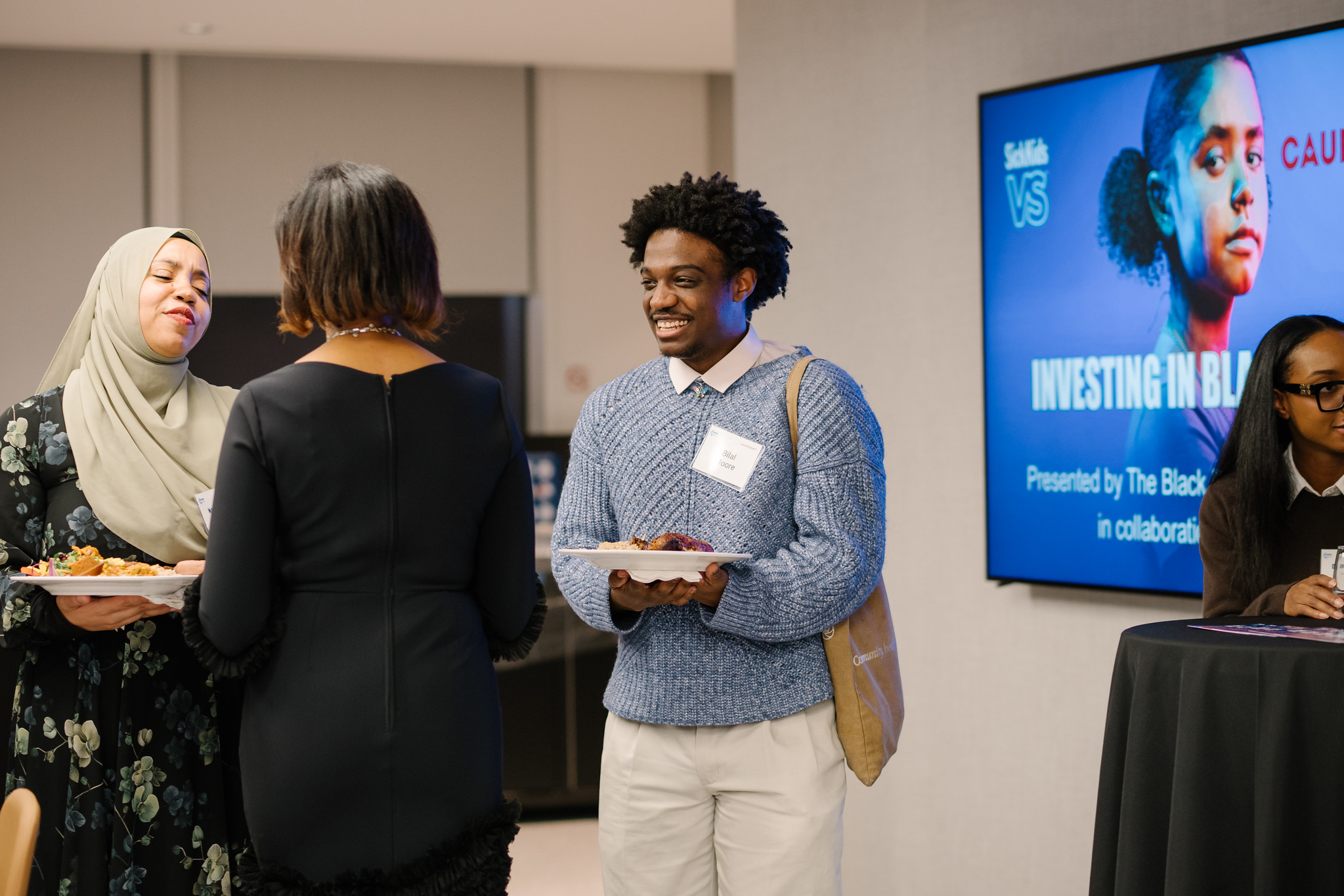
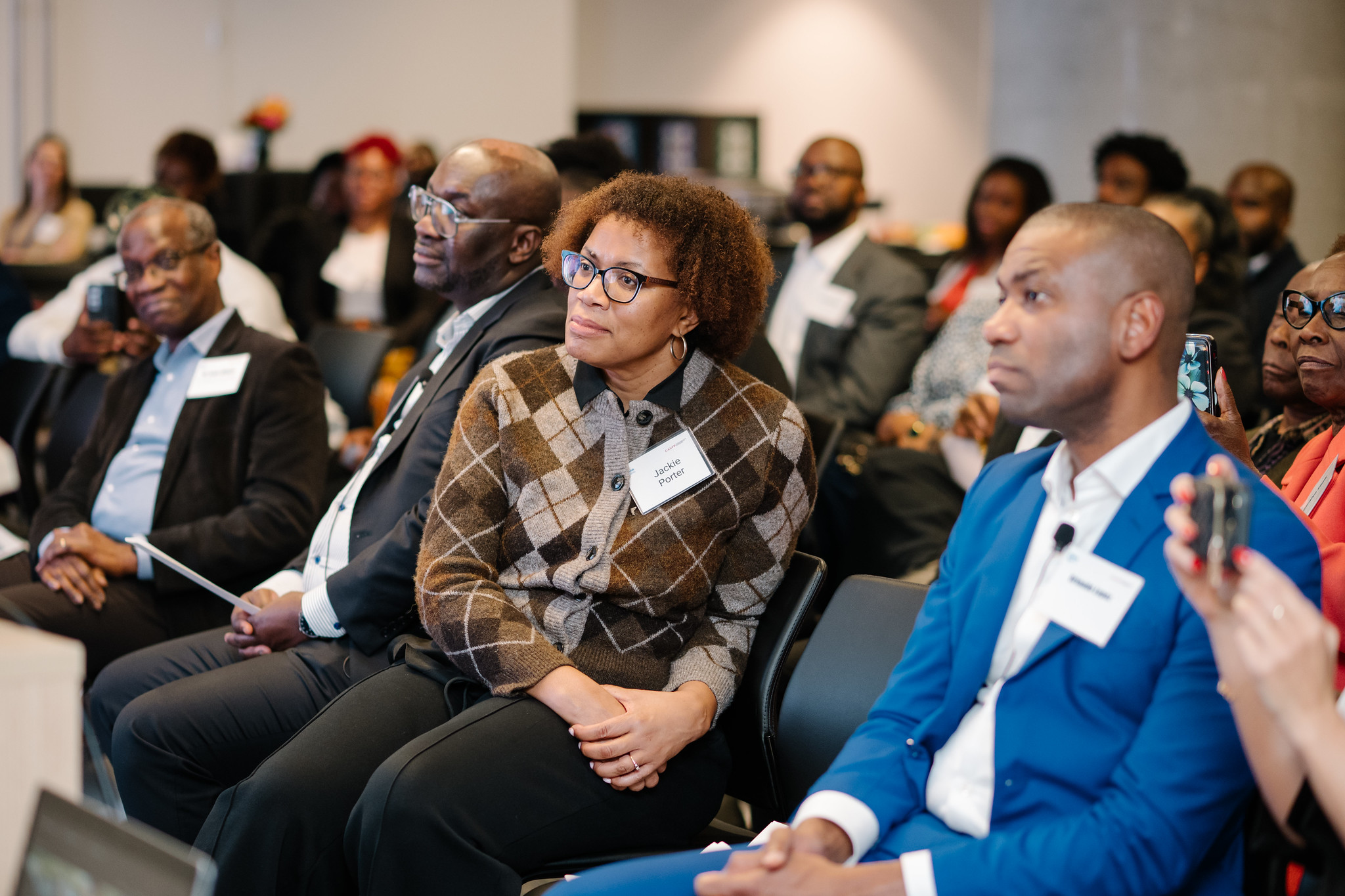
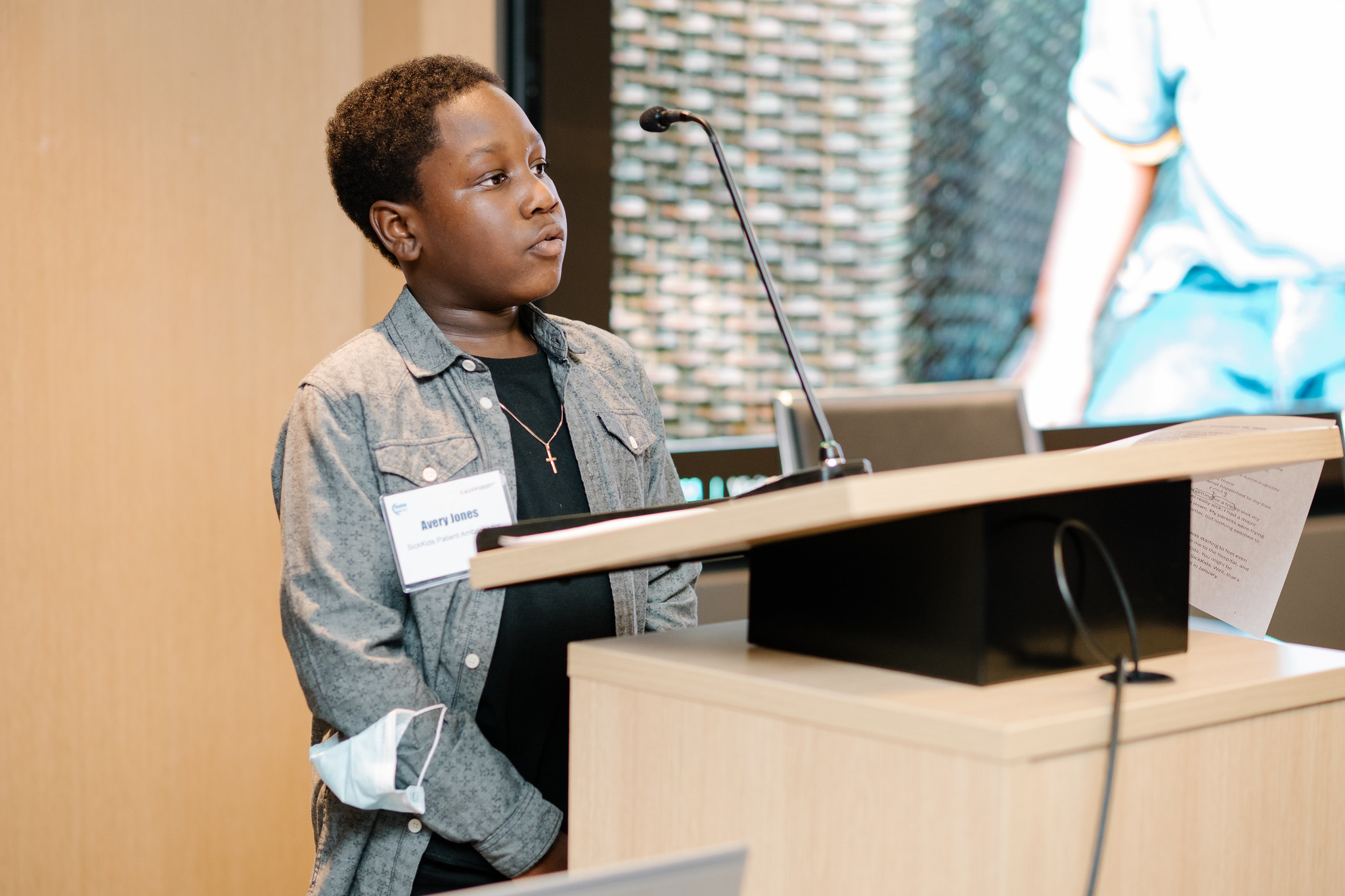
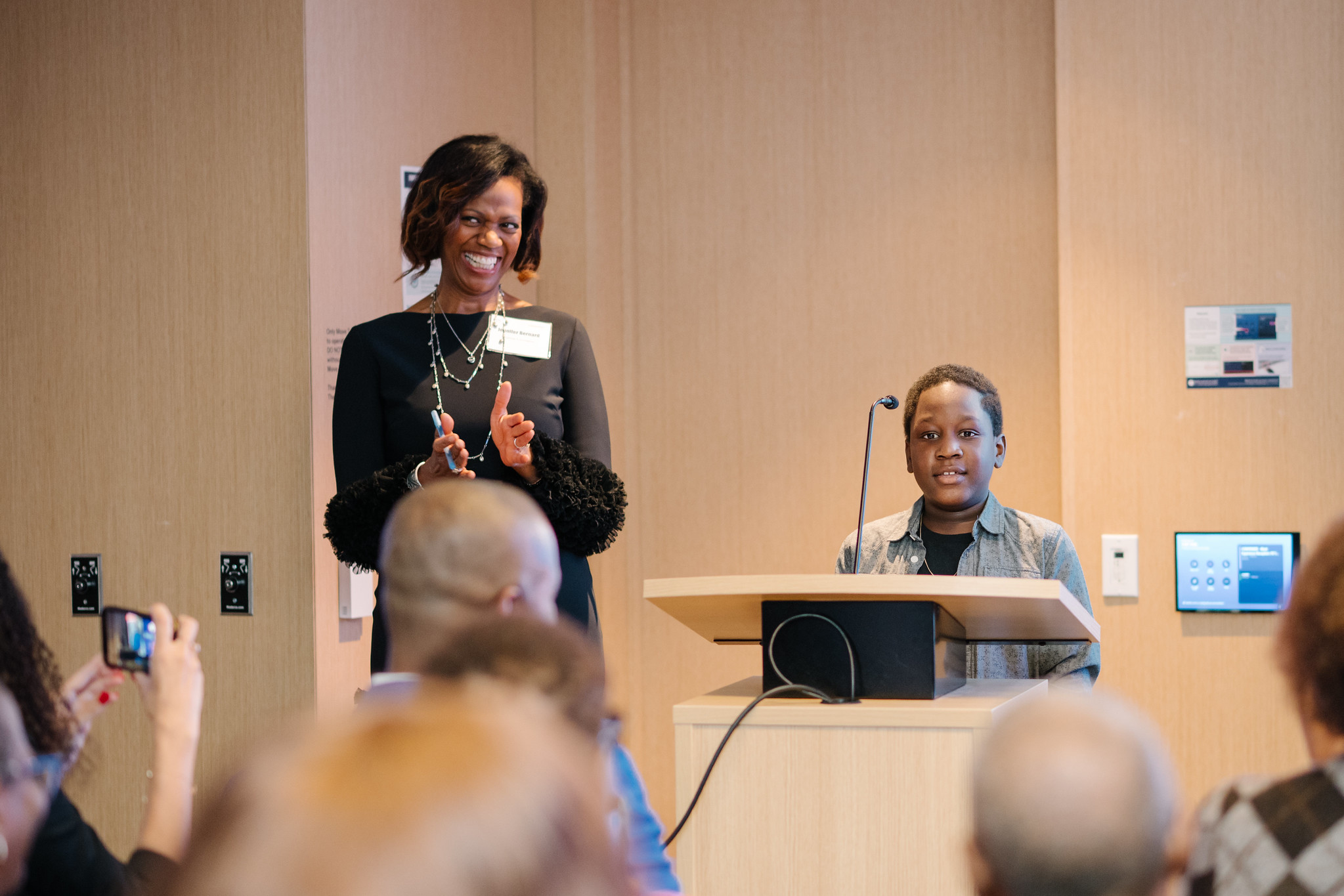
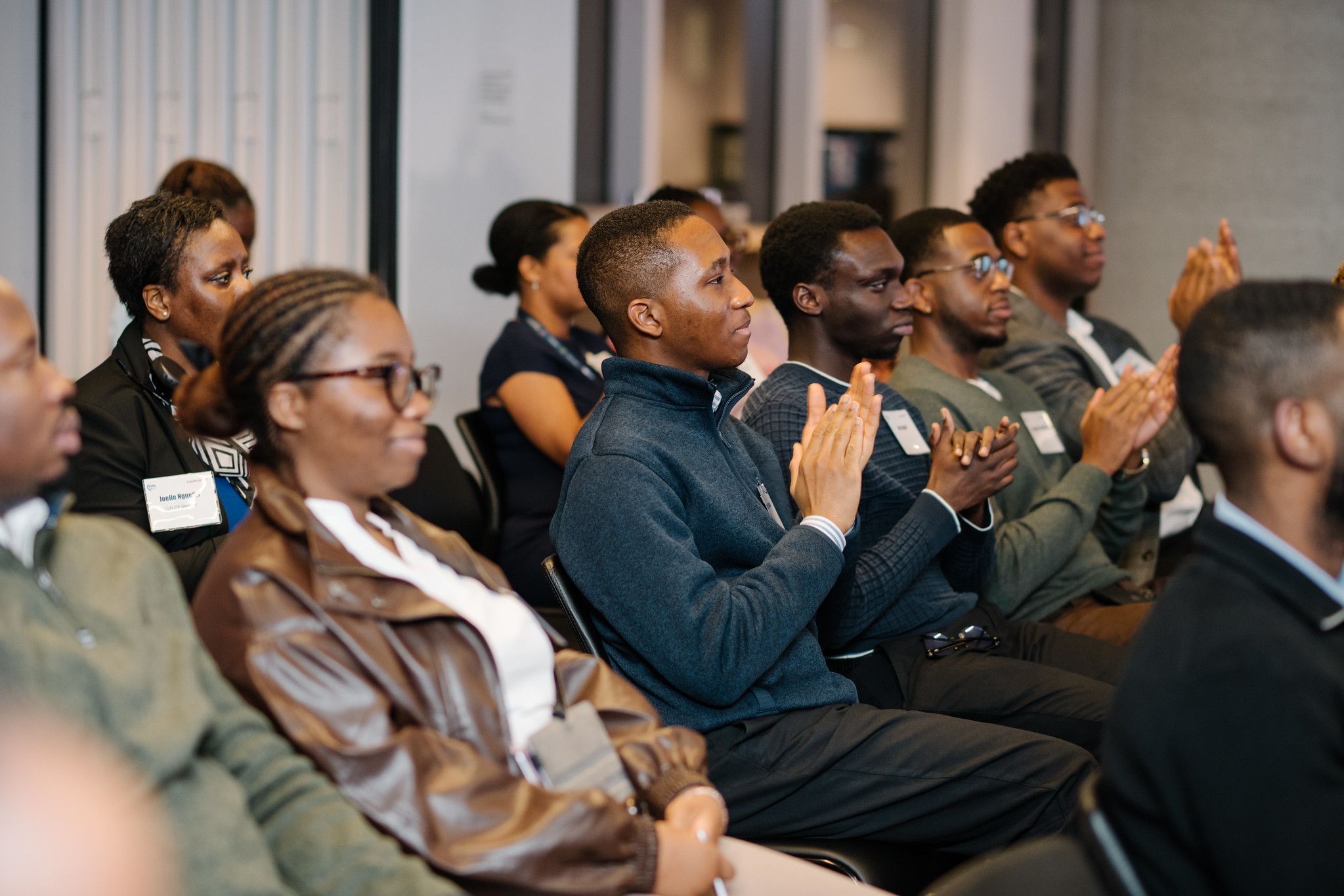


Avery spoke with humour and honesty about losing his locs during treatment, the emotional weight of being in and out of hospitals, and how much representation means in stem cell donation. When he said, “This is literally a case where our people are the only ones who can help our people,” the room went quiet. His words reminded everyone that community investment is more than funding opportunities. It is a matter of survival.
Dr. Isaac Odame: Connecting one child’s story to the global landscape
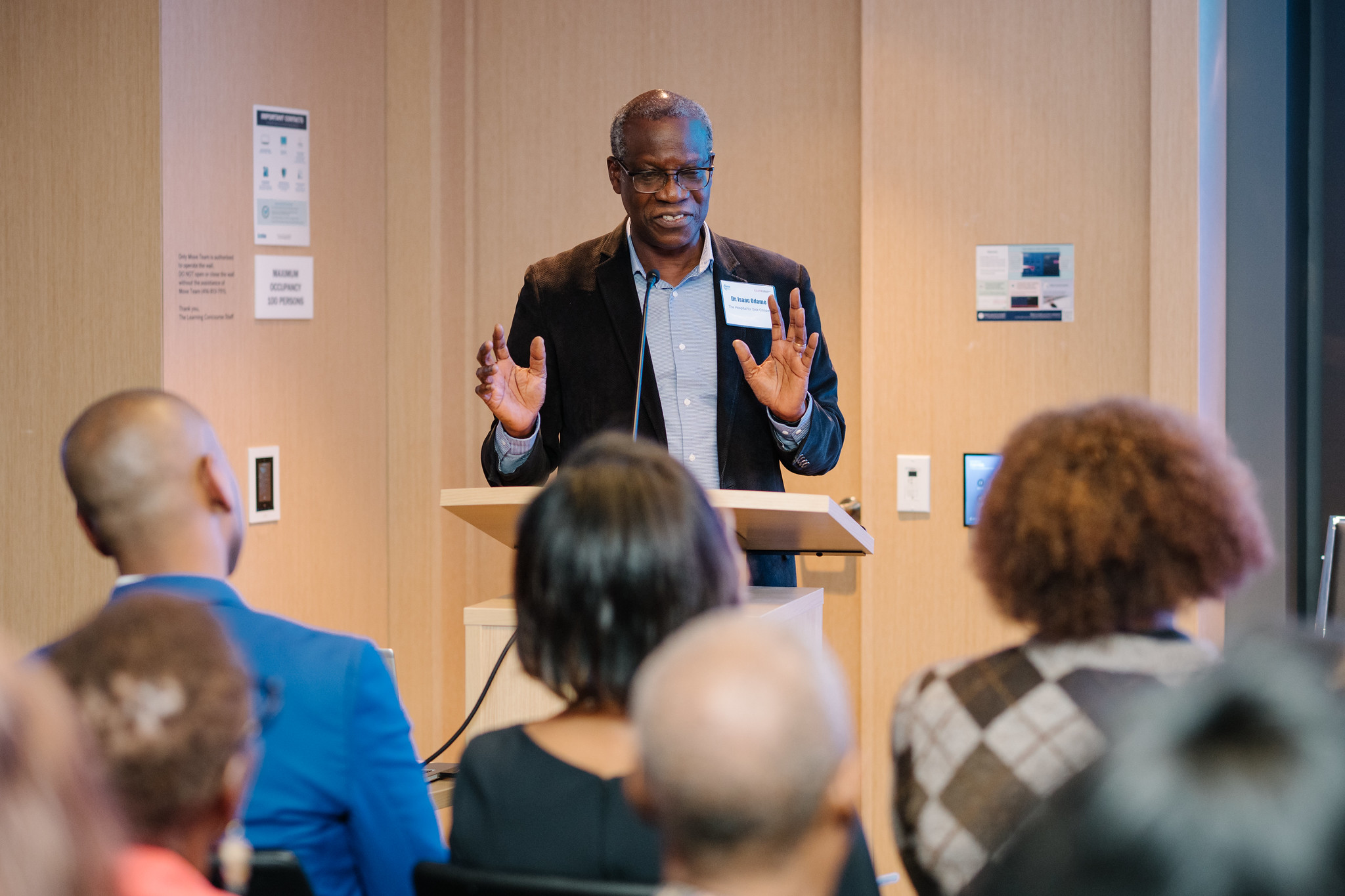
Dr. Isaac Odame, Head of the Hematology Section at SickKids, broadened Avery’s experience to a global perspective. He spoke about sickle cell disease, systemic gaps in care, and emerging genetic cures. His insights highlighted how innovations in gene therapy, including CRISPR, can transform the future of Black children not only in Toronto but also in regions where care remains limited, such as Ghana, Nigeria, and across the Caribbean. His reflections affirmed that scientific progress must be paired with equitable access.

Wealth, legacy, and planning for the future
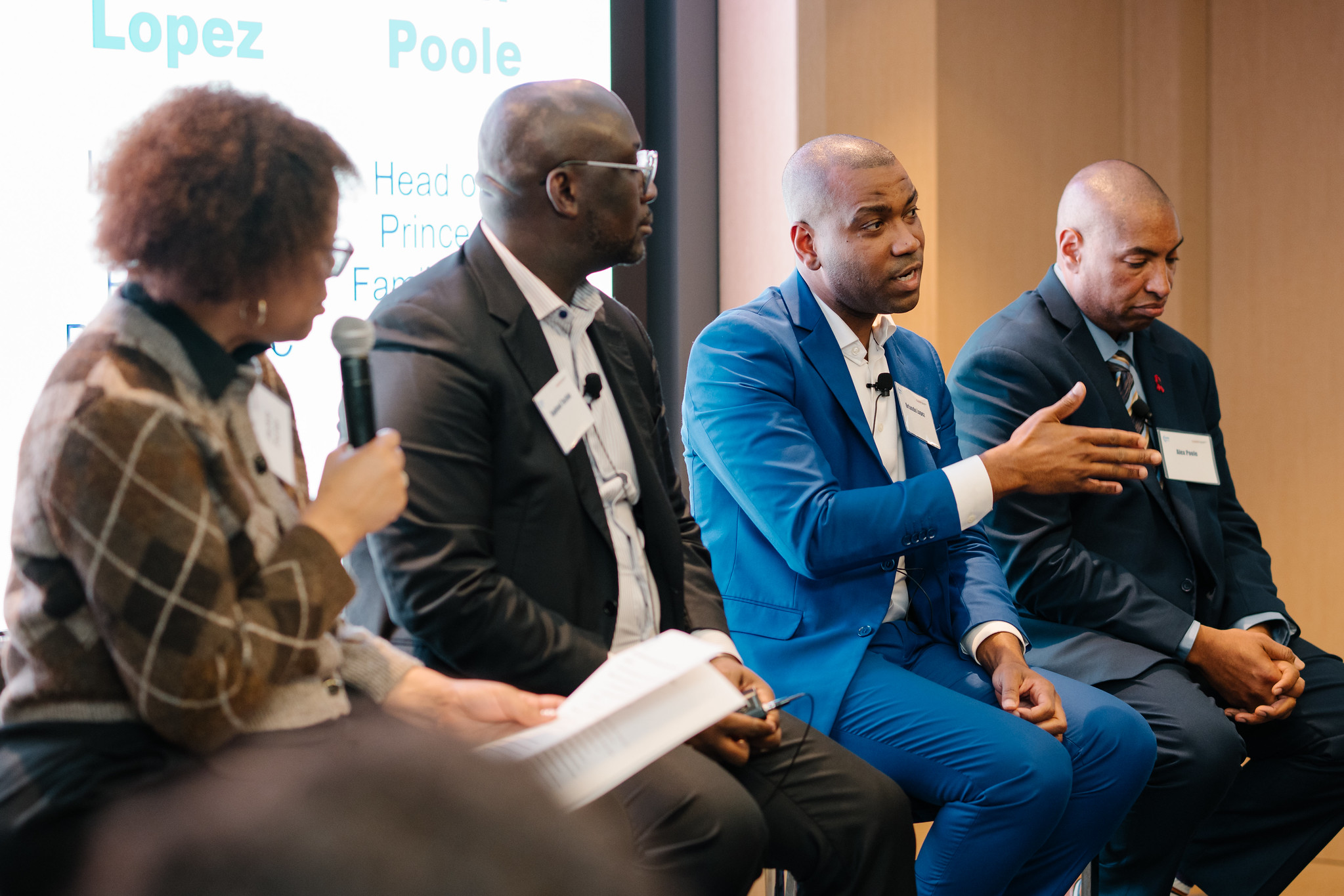
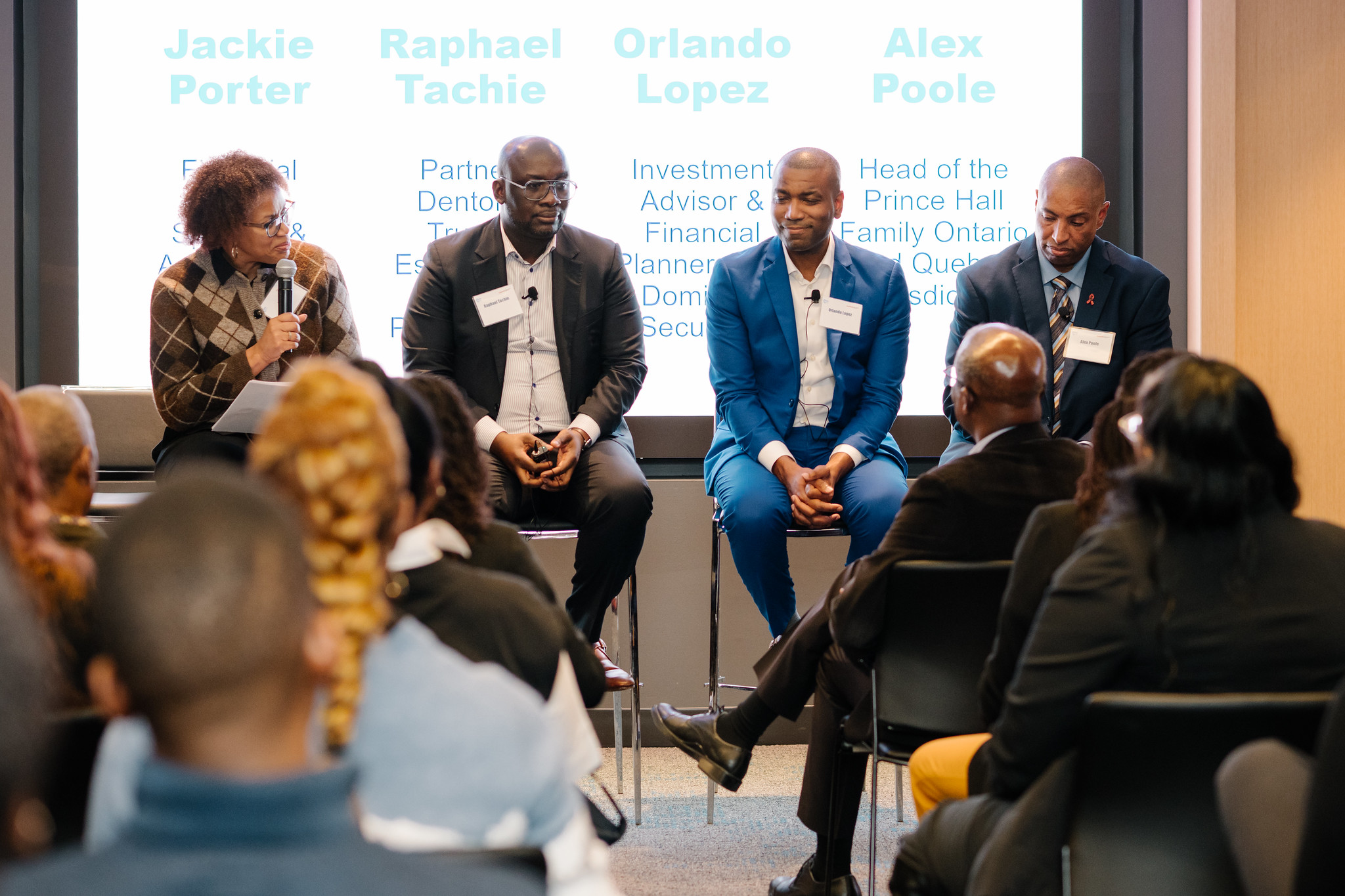
A community-centred health event also became a conversation about legacy and financial empowerment. A panel featuring Raphael Tachie (Dentons Partner, Trusts, Estates and Wealth Preservation Group), Orlando Lopez (Investment Advisor and Financial Planner, RBC Dominion Securities), and Alex Poole (Head of the Prince Hall Family, Ontario and Quebec Jurisdiction) invited guests to consider what planning means for their families.
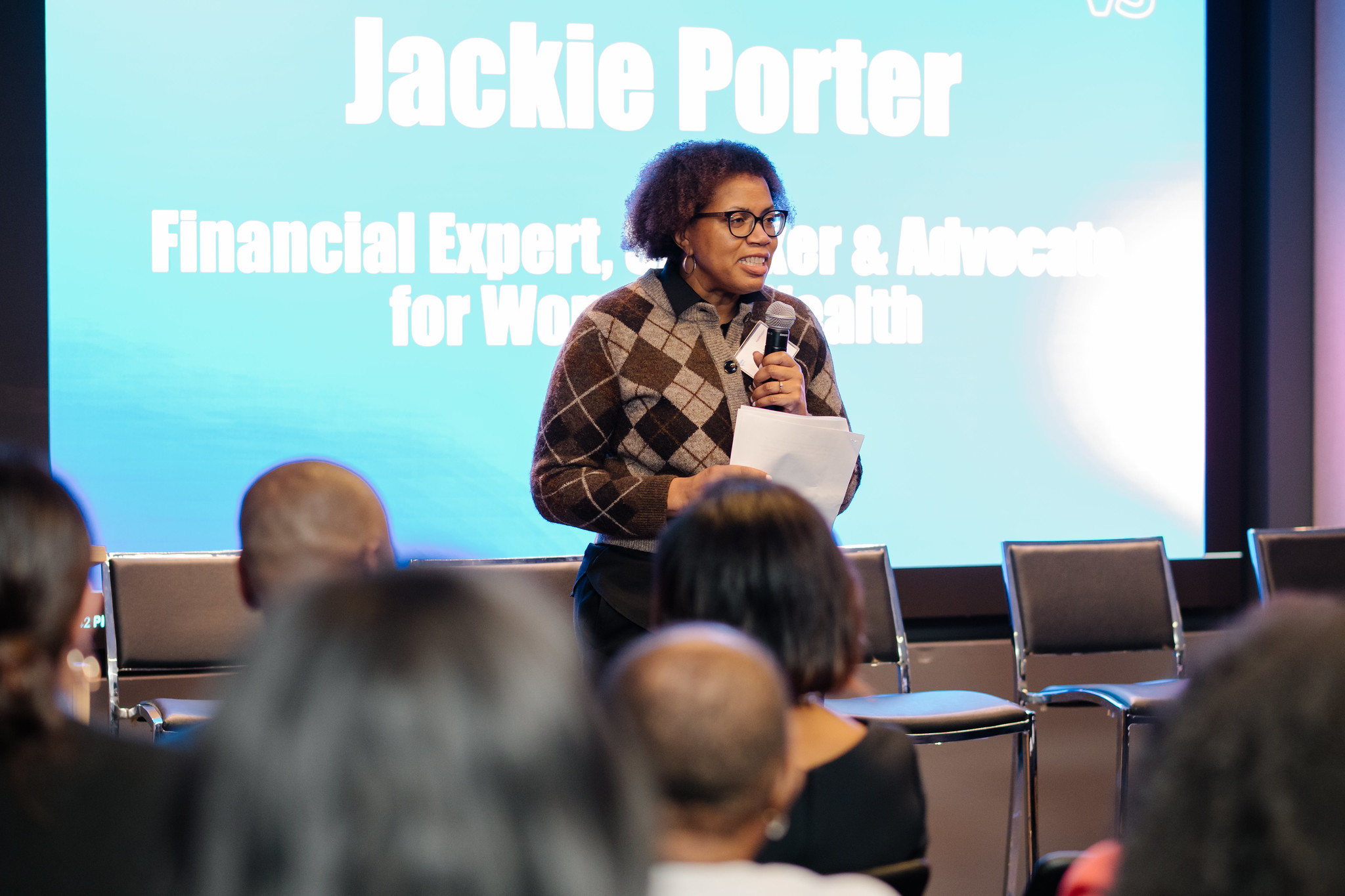
Guided by moderator Jackie Porter, the discussion opened space around wills, intergenerational wealth, and the emotional hurdles that often accompany financial conversations in Black households.
Key insights included:
- Legacy planning as a form of protection, as noted by Raphael, who reframed planned giving as “giving with forethought”.
- Building confidence around money, emphasized by Orlando, who spoke to the fears that keep many people from engaging in long-term financial planning.
- A historic culture of philanthropy, shared by Alex, who reflected on the Prince Hall family’s 250-year commitment to benevolence and why supporting sickle cell care remains a personal and community priority.
The panel created a warm and respectful space for reflection. It emphasized that investing in Black health includes empowering families to shape their futures with intention.
How to stay connected and involved
For those feeling inspired by the work of BE@SK, there are several meaningful ways to support the initiative:
- Make a one-time gift to advance equity in care.
- Set up monthly giving to sustain long-term programs.
- Explore major giving opportunities for deeper impact.
- Consider a legacy commitment by including SickKids in your will. November is Make a Will Month, a fitting moment to align financial planning with personal values.
- Join the SickKids Professional Advisors Network, where advisors help clients connect financial planning with charitable goals.
Moving forward together
Nights like this remind us that investing in Black health is a community commitment. It grows through storytelling, shared responsibility, and intentional care for one another. Avery’s courage, Dr. Odame’s insights, and the panel’s reflections painted a clear picture of what progress requires. It starts with equity. It thrives with partnership. It continues with every person willing to take action.
The work of BE@SK carries a profound impact on Black families in Toronto and across the diaspora. The conversations from this evening offered a powerful invitation to keep showing up, keep building, and keep advocating for the next generation.
Because the health of our children shapes the health of our future.