
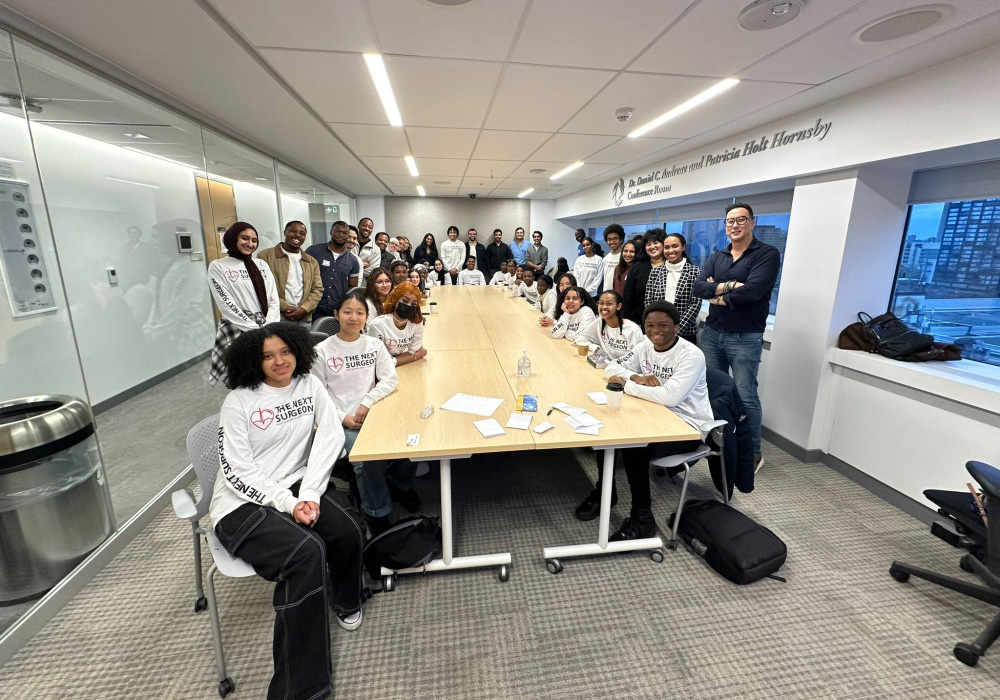
A free, hospital-based mentorship program at Sunnybrook is giving Black youth and students of colour in Toronto hands-on surgical exposure, real physician mentors, and a clear pathway into medicine.
When you walk into an emergency room or sit across from a specialist, trust matters. So does representation. Across Ontario, Black residents make up 4.7 per cent of the population, yet only 2.3 per cent of physicians identify as Black. That gap is more than a statistic. It shapes access, experience, and outcomes.
The fourth annual Next Surgeon program is responding directly to that reality. Created by the Toronto Community Housing Corporation, the free, award-winning initiative supports youth tenants and local high school students in Grades 10 to 12 who are interested in health care, particularly cardiac surgery, neurosurgery, orthopedics, and emergency medicine.
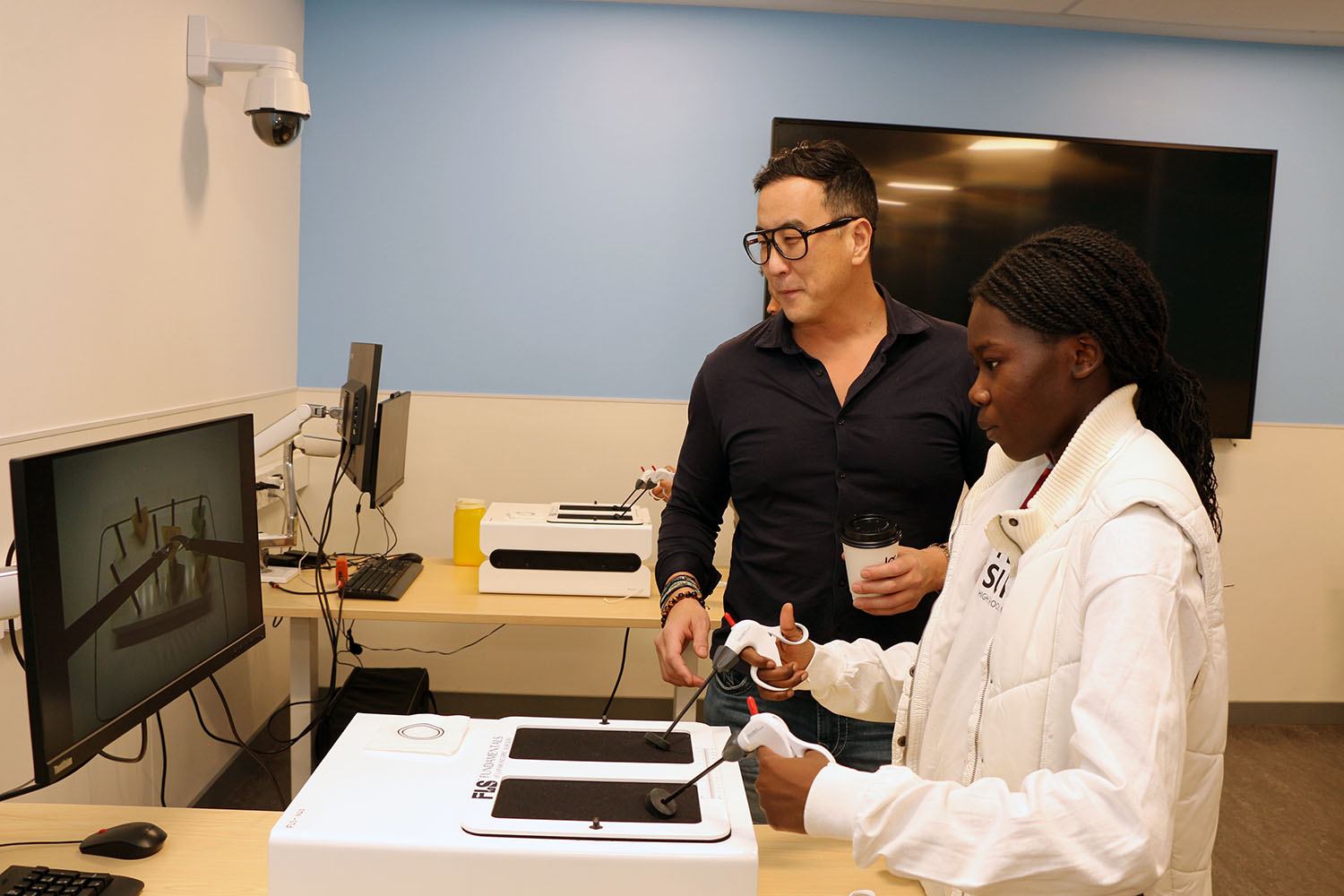
On February 13, dozens of students will gather at Sunnybrook Health Sciences Centre, 2075 Bayview Avenue, for hands-on learning in a real hospital environment. The program runs from 10 a.m. to 1 p.m., with additional sessions continuing through March as part of the four-month curriculum.
Inside the Next Surgeon experience
Over four months, students engage in:
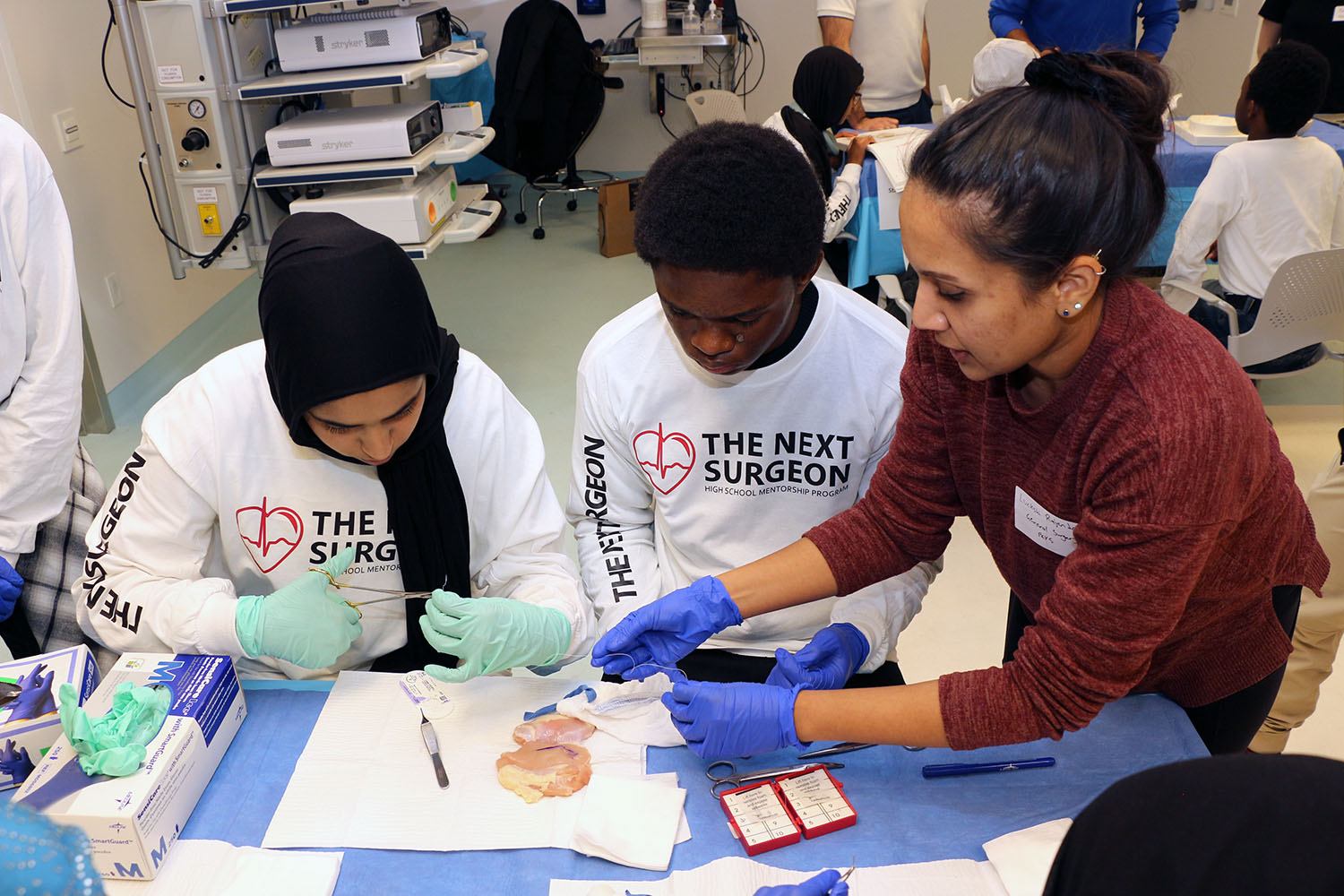
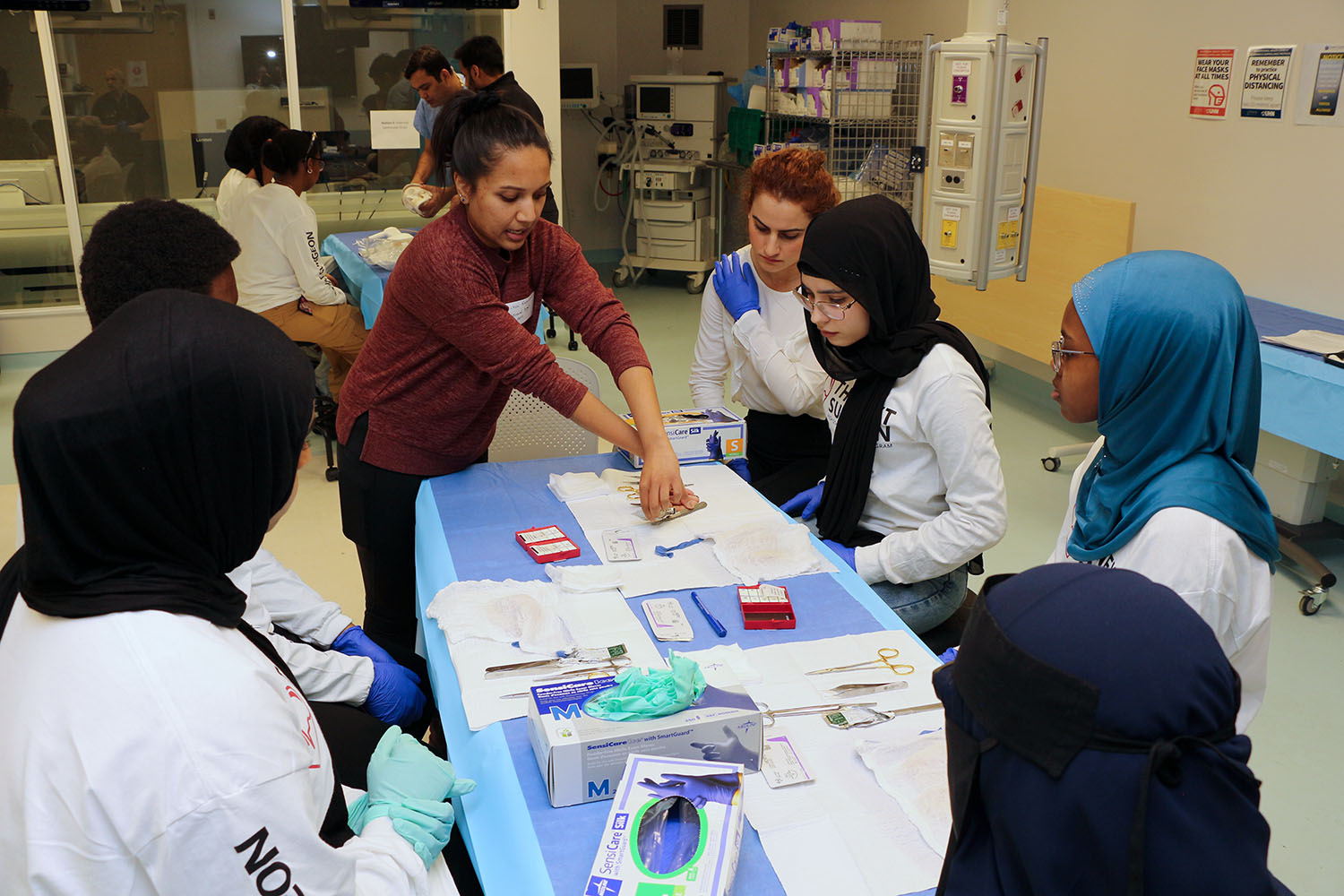
- Surgical and emergency simulations that introduce core techniques in controlled, educational environments
- First aid training and practical workshops focused on life-saving skills
- Mentorship circles with medical students, residents, and staff physicians
- Networking opportunities that extend beyond the program timeline
The initiative is hosted in partnership with Unity Health Toronto, the Office of Access and Outreach at the University of Toronto Temerty Faculty of Medicine, and UpSurge, a mentorship program supporting underrepresented medical students pursuing surgery.
That ecosystem matters. For many students from social housing communities, access to professional networks can feel out of reach. Next Surgeon changes that dynamic by placing youth directly in the rooms where medical careers begin.
A pathway for Black youth and students of colour
The program is intentionally focused on recruiting Black students and students of colour who live in social housing and who have expressed interest in healthcare careers. That focus reflects a broader understanding that talent is evenly distributed, while opportunity is not.
Representation in medicine strengthens patient outcomes, enhances cultural understanding, and expands research perspectives. When young people see surgeons who look like them and who share lived experiences, the idea of entering those fields shifts from abstract to achievable.
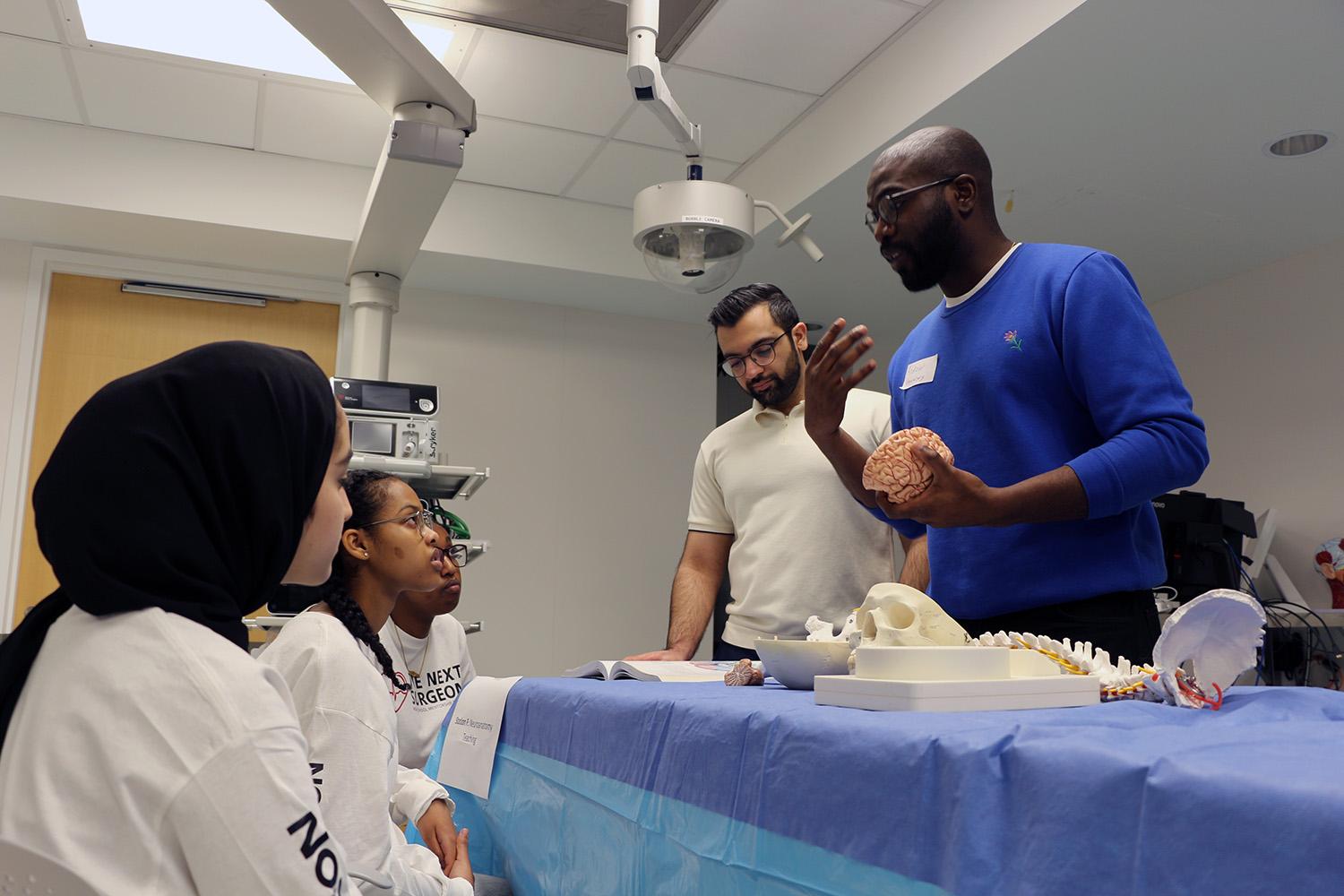
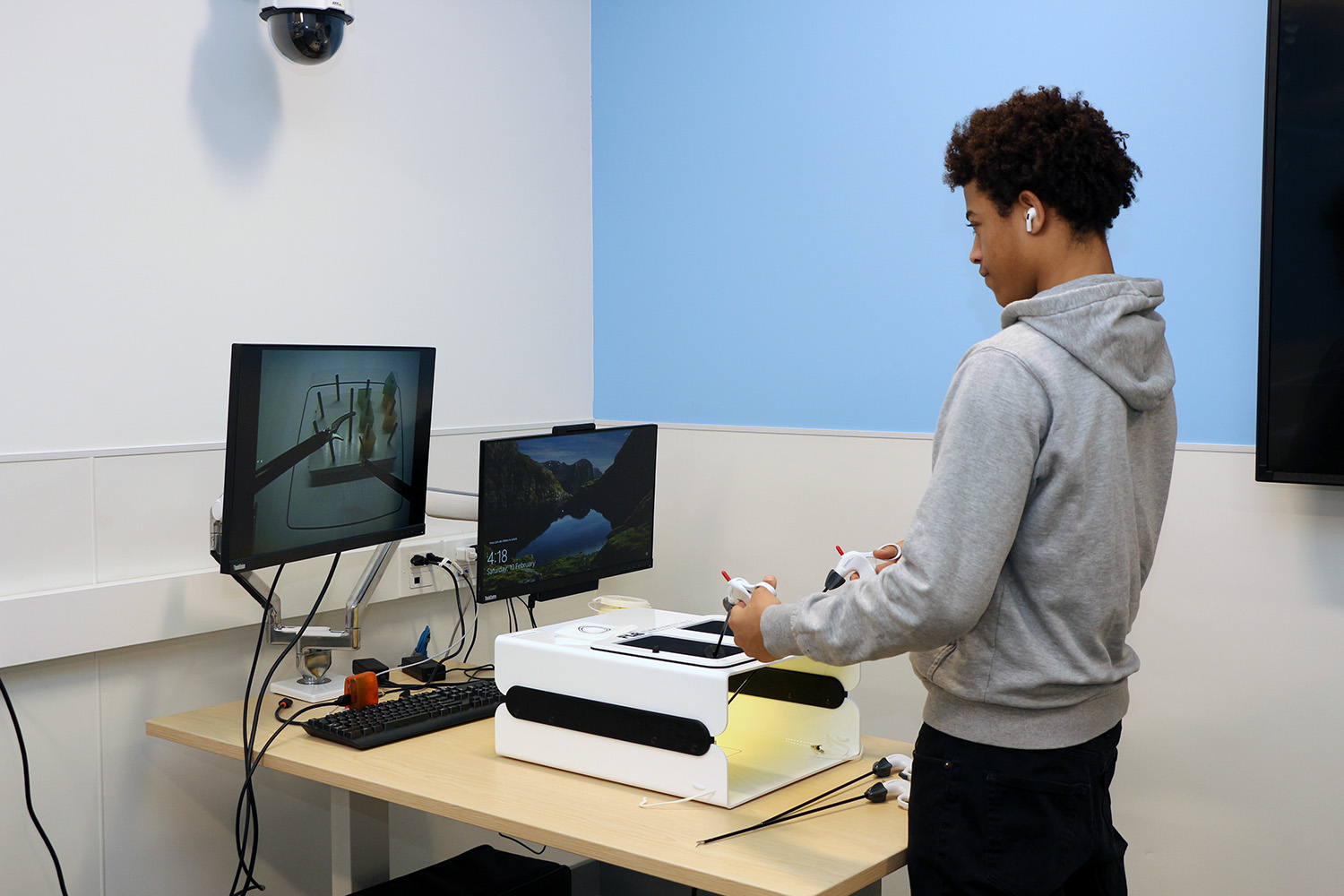
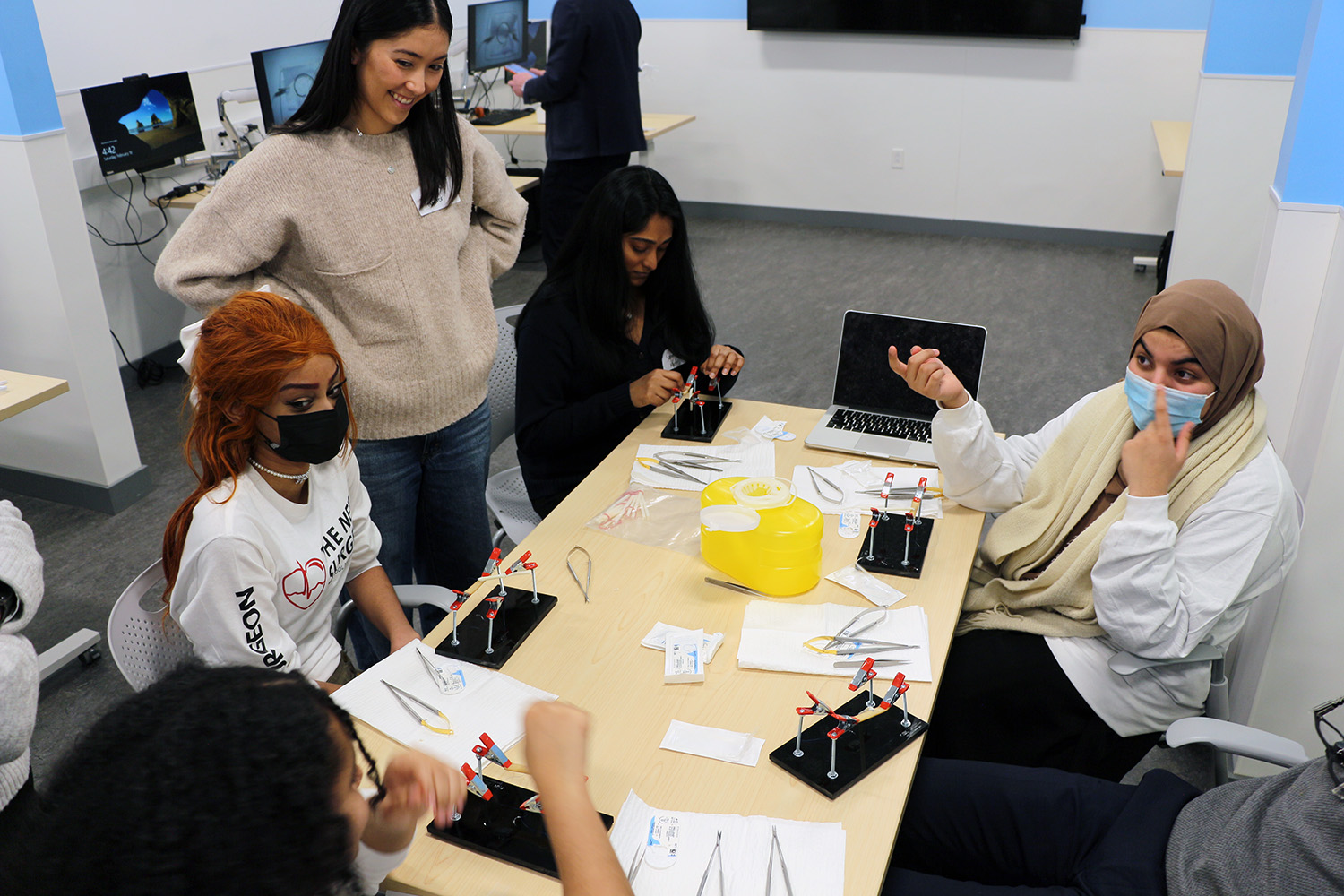
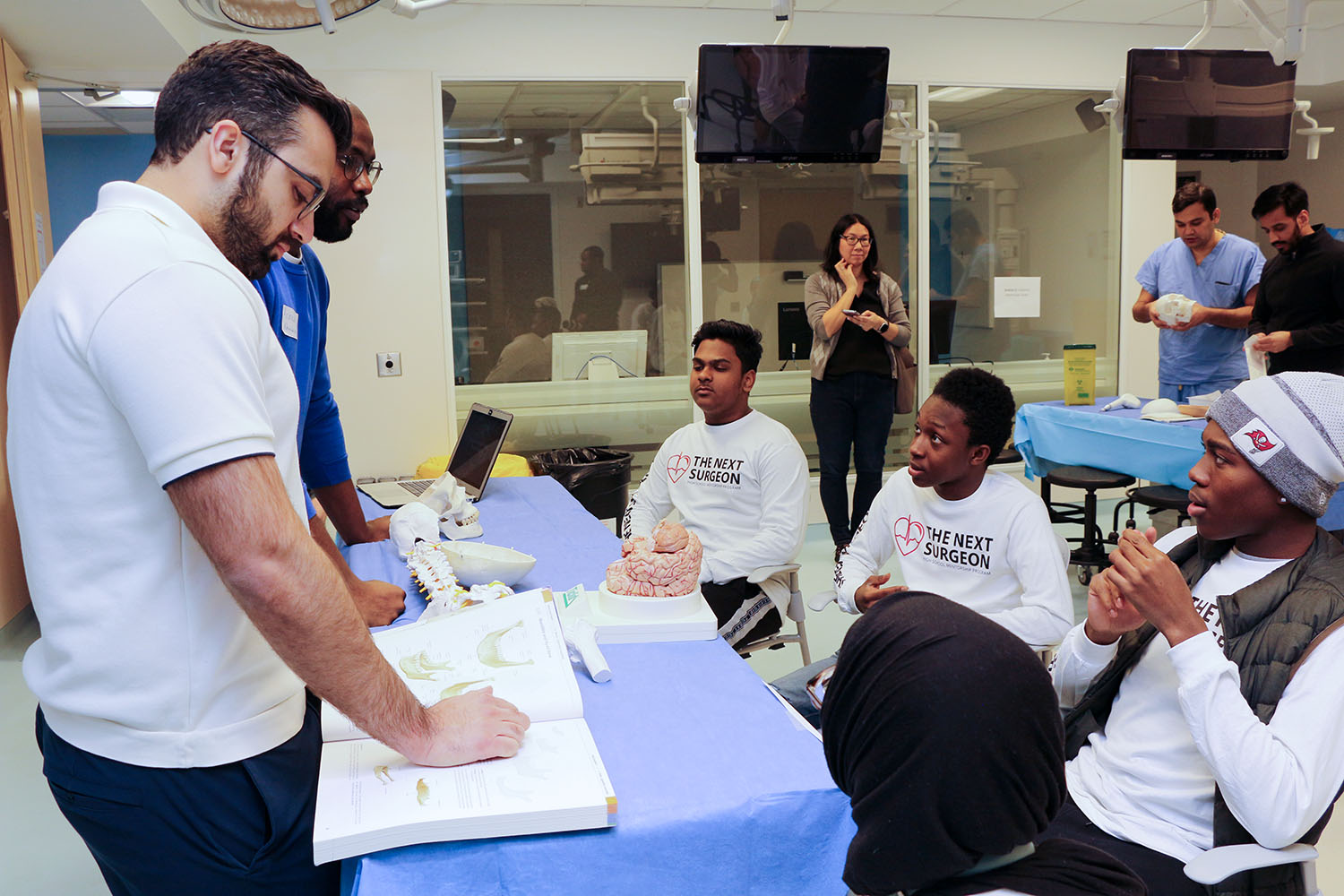
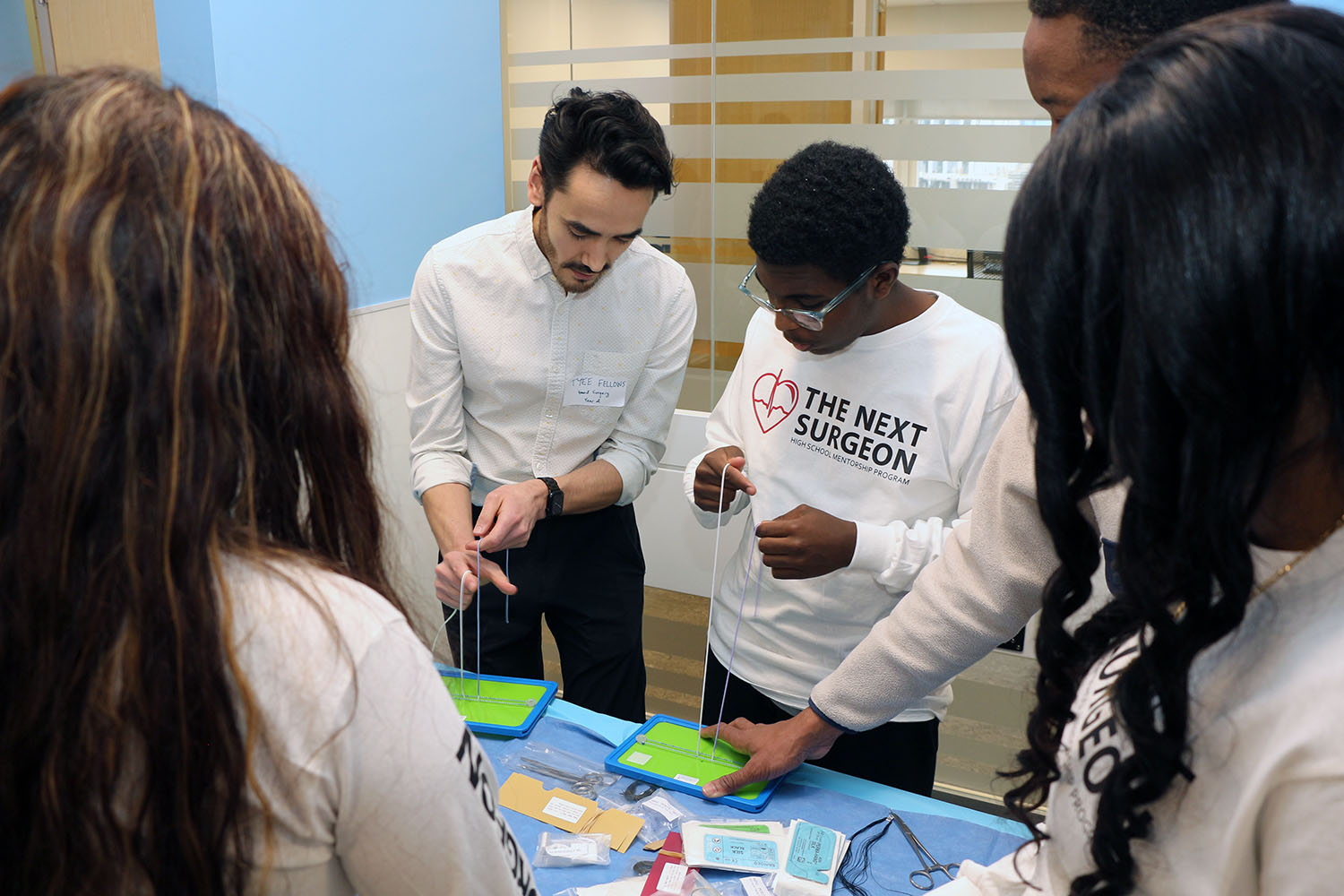


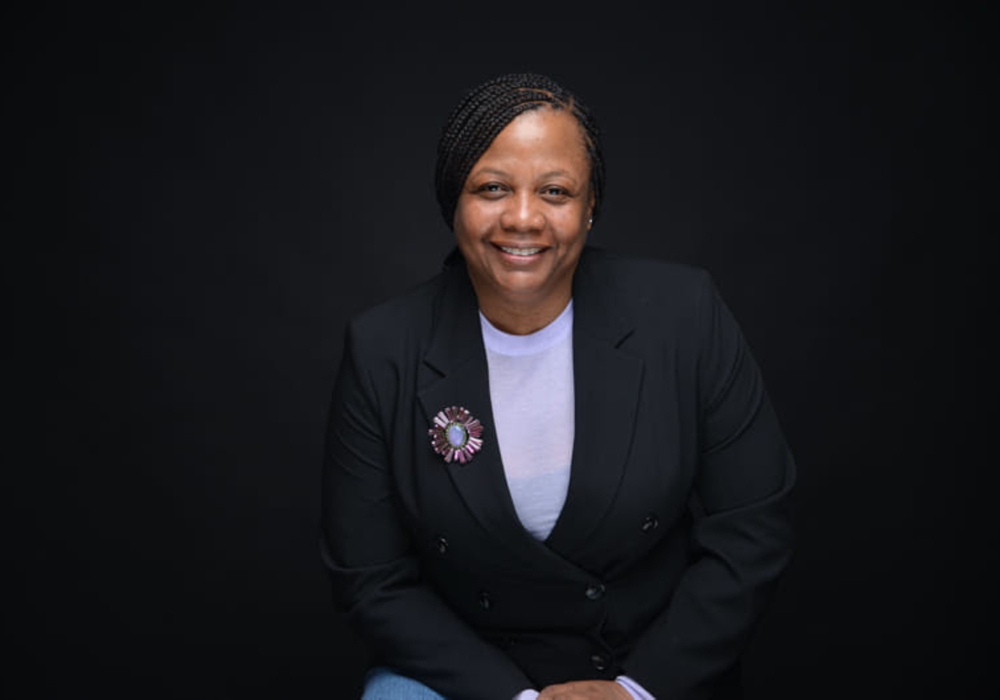
Stacy Golding, a community services coordinator with Toronto Community Housing and the program's lead, has helped build a structure that ensures mentorship does not end after a single workshop. Relationships continue. Guidance extends into university applications and beyond.
For AfroToronto readers, this is a reminder that equity work takes many forms. Sometimes it looks like a protest and a policy change. Sometimes it looks like a Grade 11 student standing in a simulation lab, learning how to suture for the first time.
Why programs like this reshape the system
The impact of Next Surgeon goes beyond individual participants. It contributes to long-term systemic change in several ways:
- Expanding the pipeline: Introducing students to surgical careers early increases the likelihood that they will pursue science prerequisites and post-secondary pathways aligned with medicine.
- Demystifying hospital culture: Exposure reduces intimidation and builds familiarity with professional expectations.
- Creating mentorship continuity: Ongoing relationships with physicians help students navigate competitive admissions processes.
- Strengthening community trust: A more representative physician workforce can improve communication and patient engagement across Toronto’s diverse communities.
In a city as multicultural as Toronto, the medical profession must reflect the people it serves. Programs rooted in community housing and public health partnerships show how that transformation can begin at the grassroots level.
About Toronto Community Housing
A generation stepping forward
On February 13, inside the halls of Sunnybrook, the future of Toronto medicine will look different from what it has historically been. It will better reflect the city’s Black and racialized communities. It will sound like teenagers asking surgeons direct questions about operating rooms, trauma care, and medical school applications.
Next Surgeon illustrates what can happen when institutions collaborate, mentorship is prioritized, and access barriers are intentionally lowered. It offers more than inspiration. It offers proximity, skill development, and sustained support.
For a city that prides itself on diversity, this is the kind of work that turns principle into practice. And for the students stepping into scrubs and simulation labs this winter, it may be the first chapter in a career that reshapes healthcare for generations to come.