
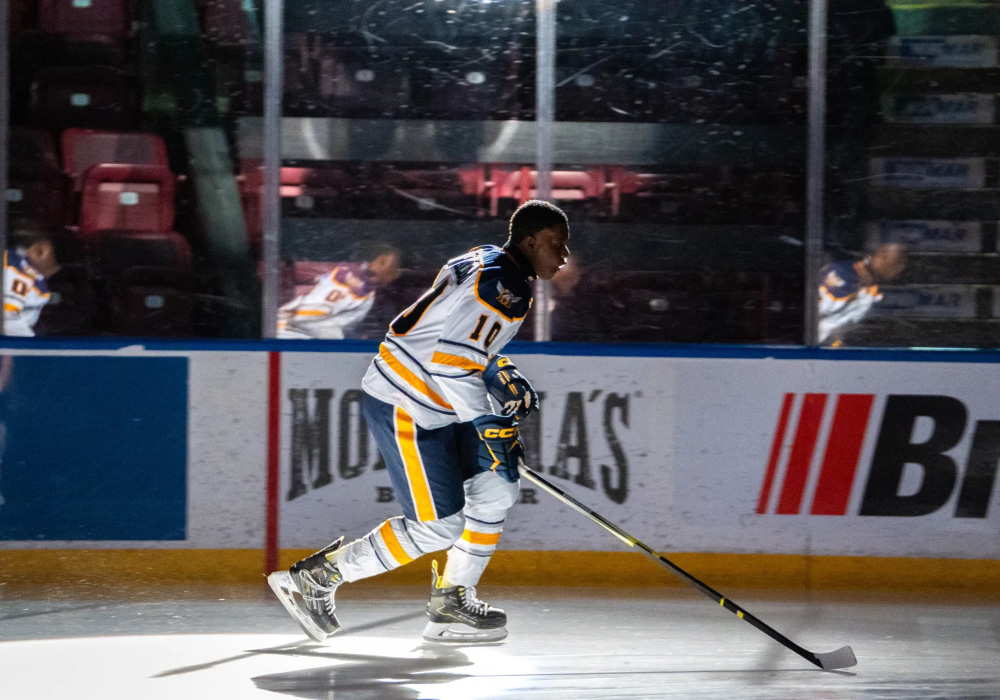
A Canadian hockey myth returns with new urgency. Youngblood skates back onto the ice with sharper teeth, deeper questions, and a Black-led reimagining shaped for this moment.
Hockey stories rarely stay confined to the rink. They are about power, belonging, masculinity, and the unspoken rules that govern who gets to thrive and who gets broken along the way. With the release of the official trailer and key art, Youngblood signals its intent to revisit a Canadian sports myth and interrogate it with fresh eyes.
Directed by Hubert Davis, the Academy Award–nominated filmmaker behind Black Ice, this contemporary adaptation of the 1986 hockey classic moves beyond nostalgia. It reframes the story as a character-driven examination of ego, violence, mentorship, and choice, set within a sport that often rewards silence over self-awareness.
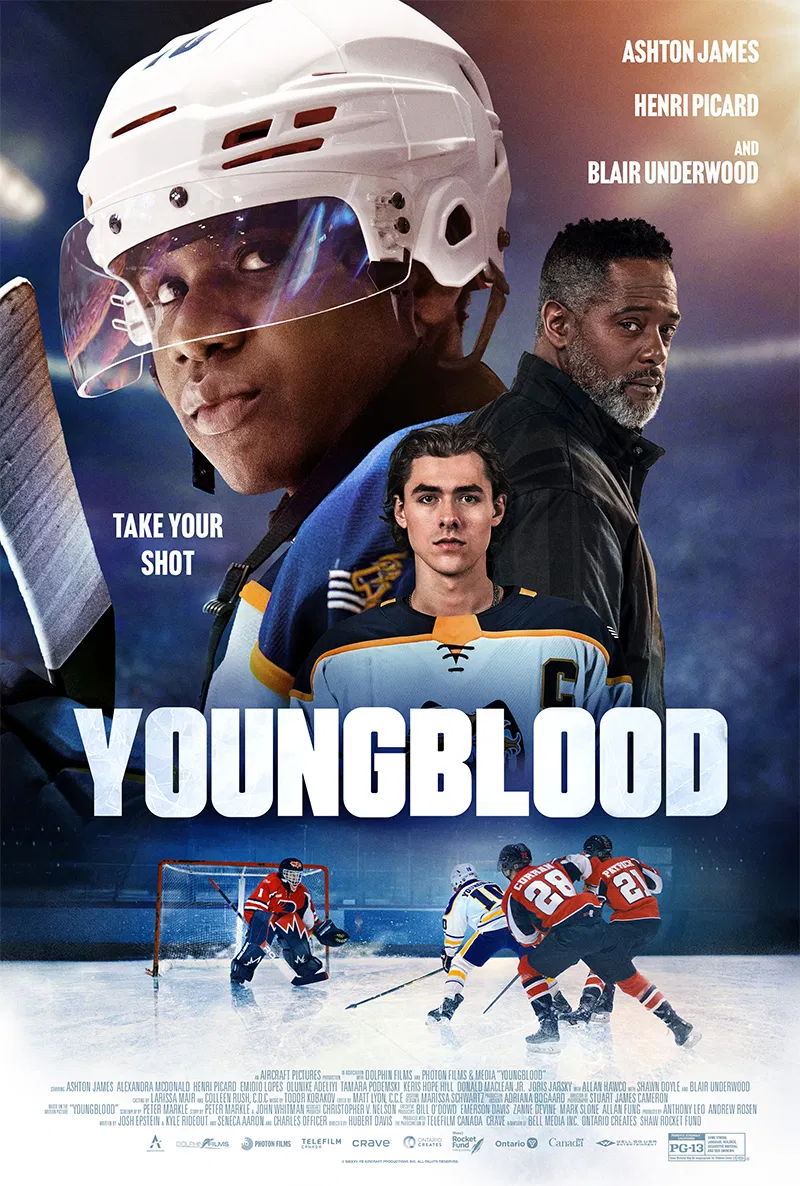
Scheduled for a North American theatrical release on March 6, 2026, the film arrives with momentum following its world premiere at the Toronto International Film Festival, where it drew an especially strong response from hockey fans who recognized themselves in its tensions.
Dean Youngblood and the cost of inherited toughness
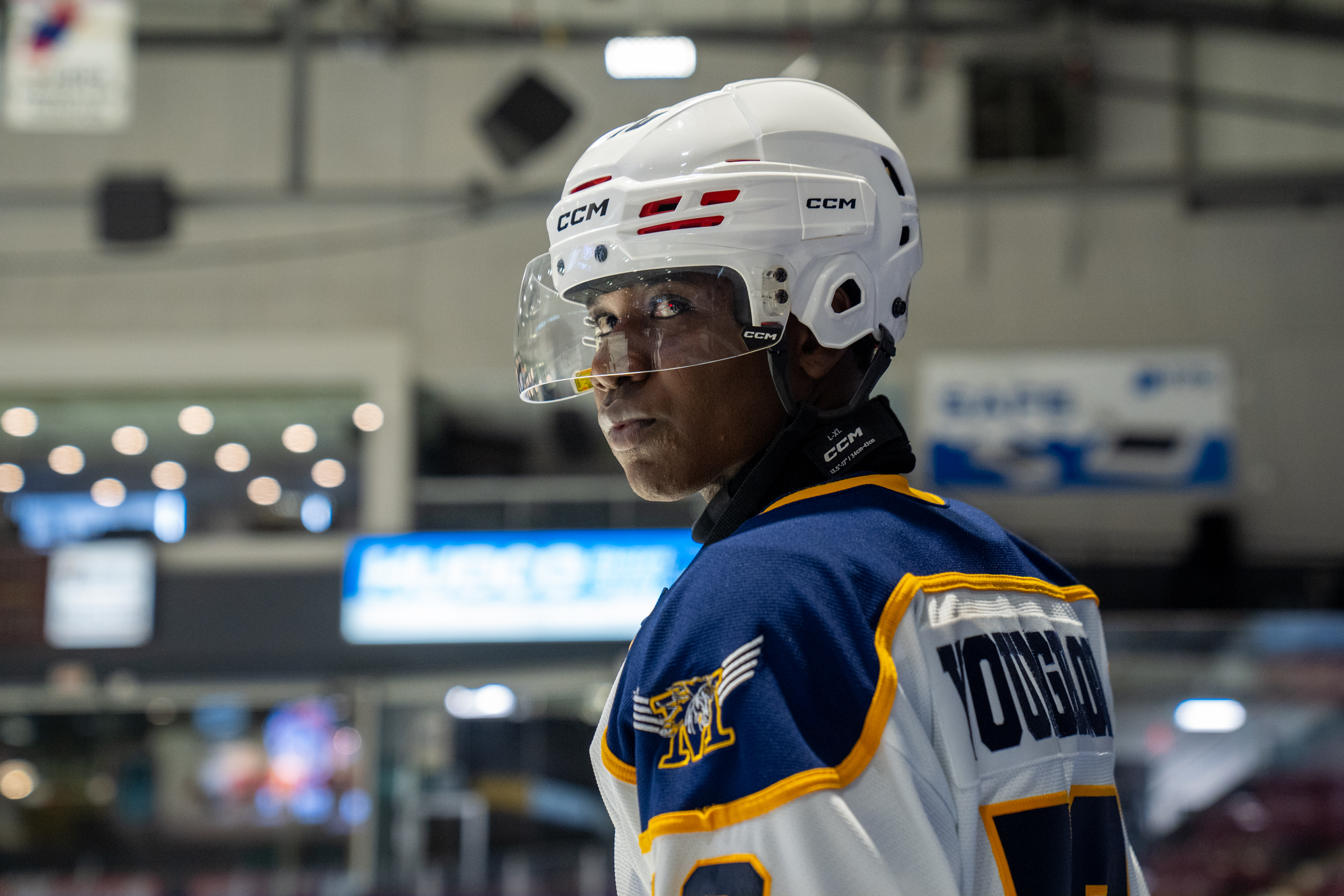
At the centre of the film is Dean Youngblood, a gifted young player from Detroit who crosses the border to Canada after being recruited by the Hamilton Mustangs. He arrives with speed, skill, and a chip on his shoulder shaped by a lifetime of hard lessons from his father.
Ashton James steps into the role of Dean with a physical intensity that mirrors the character’s internal volatility. His Dean commands attention on the ice, but his arrogance isolates him quickly. Coaches bench him. Teammates mistrust him. Rivals circle him.
The film treats this friction as the point. Dean is not simply battling opponents; he is confronting a system that equates dominance with worth and pain with credibility. His journey becomes a reckoning with the version of masculinity he inherited versus the one he is slowly forced to build for himself.
A father’s shadow and a different way forward
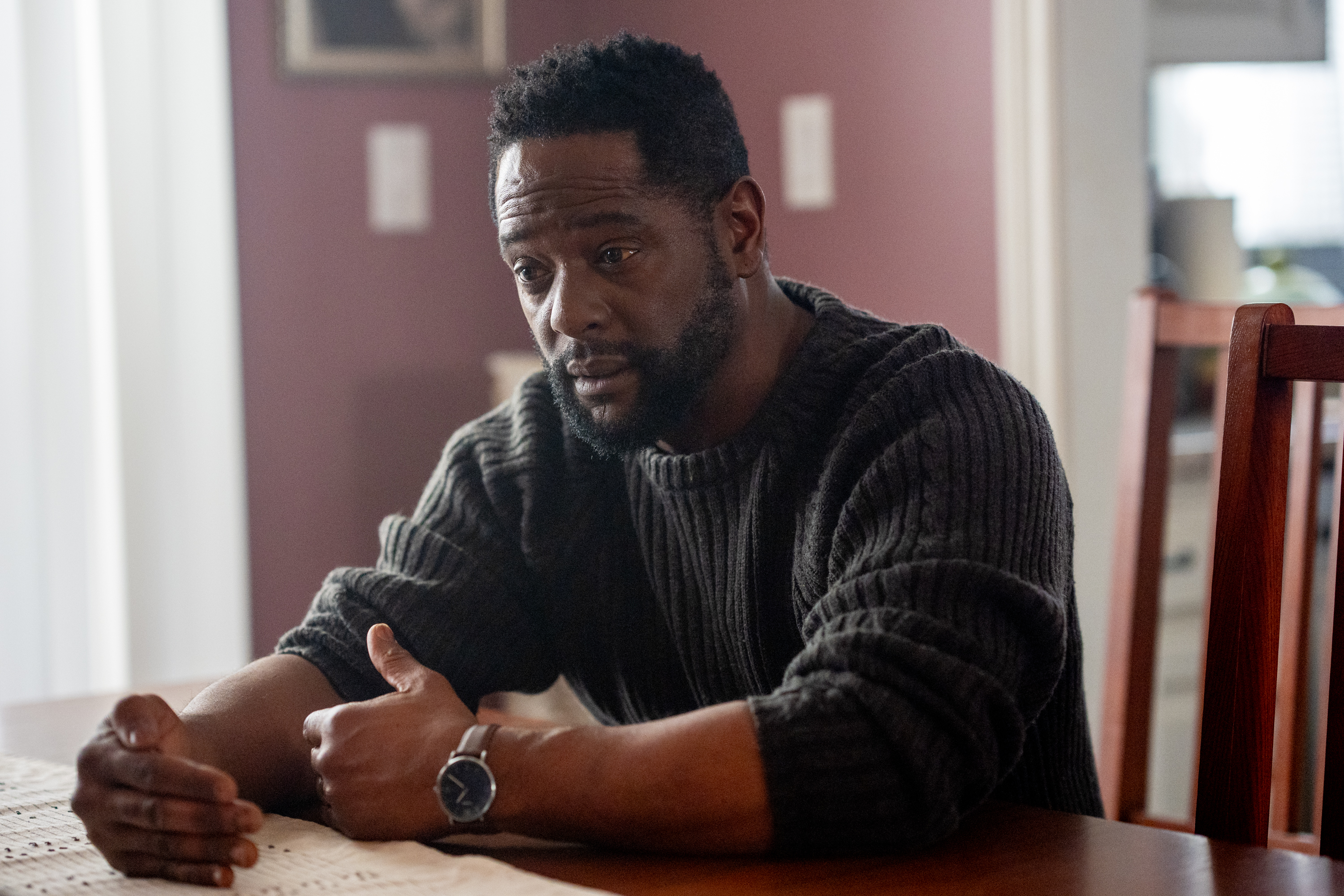
Blair Underwood delivers a measured, imposing performance as Blane Youngblood, Dean’s father and first coach. Blane’s worldview is simple and unforgiving: endure, retaliate, never soften. His presence looms over every decision Dean makes, even when he is not physically on screen.
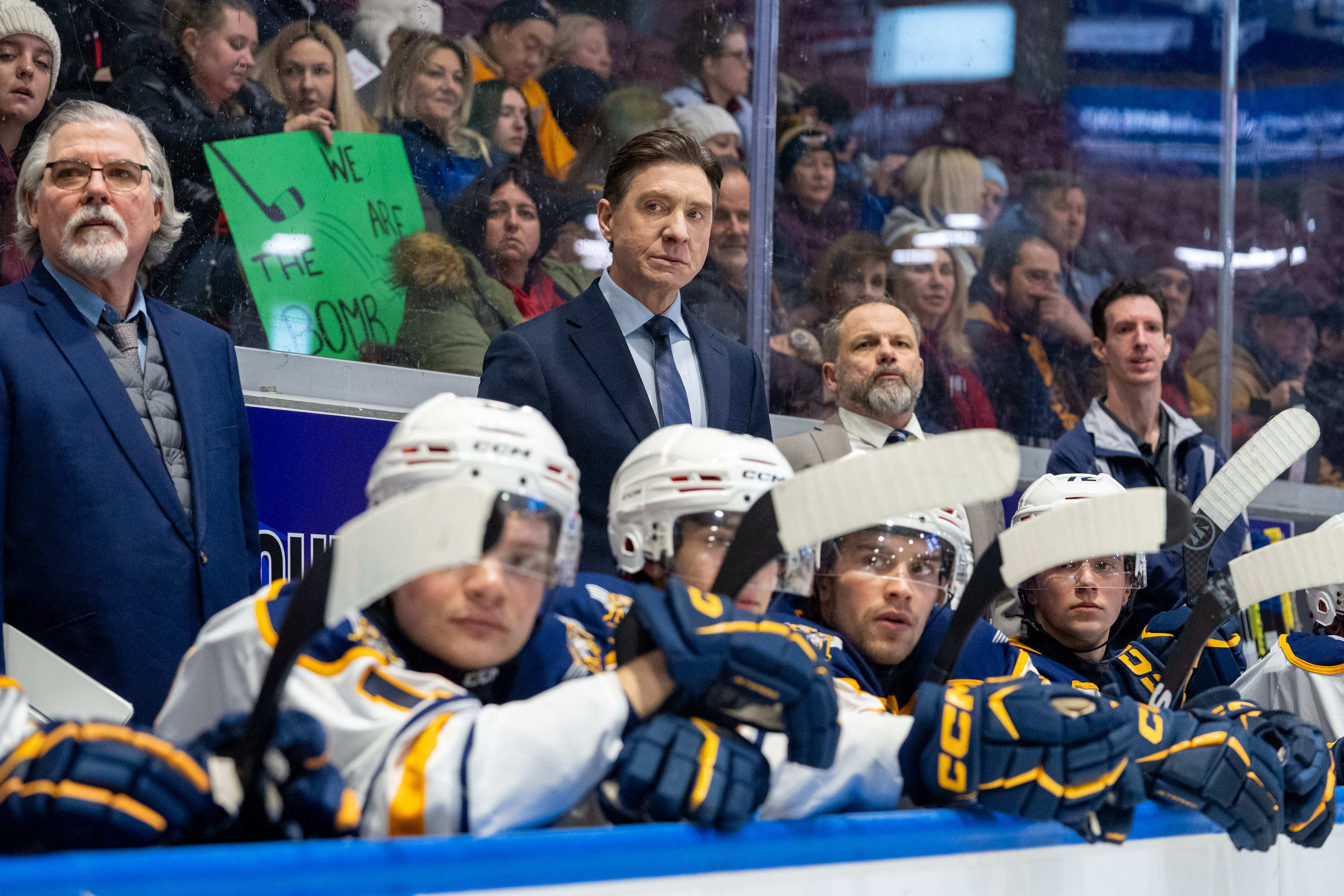
The film’s emotional turning point emerges when Dean encounters alternative models of leadership. Team captain Denis Sutton offers guidance rooted in responsibility rather than intimidation. Jessie Chadwick, played with sharp intelligence by Alexandra McDonald, challenges Dean’s bravado both emotionally and intellectually. These relationships shift the story away from redemption clichés and toward something more complex, growth that requires unlearning.






Violence, rivalry, and the moment of choice
The conflict escalates through Dean’s rivalry with Carl Racki, a goon whose role within the league exists purely to intimidate and injure. Their clashes are not glorified. They are unsettling, deliberately framed to expose how normalized violence corrodes everyone it touches.
When Sutton is seriously injured during a provoked on-ice attack, Dean is forced to confront the culture he has been participating in. The final playoff game is no longer about proving toughness. It becomes a referendum on what kind of player, and what kind of man, he chooses to be when the rules demand brutality.
A reimagining grounded in Canadian reality
Produced by Aircraft Pictures in association with Dolphin Entertainment and distributed in Canada by Photon Films and Media, Youngblood is firmly rooted in the Canadian hockey ecosystem. The arenas feel lived-in. The politics of teams, coaches, and ownership ring true. The film understands hockey as both a national obsession and a pressure cooker in which young men are often carelessly shaped.
Its Toronto International Film Festival premiere confirmed that audiences are ready for this conversation. The response was especially strong among viewers who grew up loving the sport while questioning its blind spots.
Why Youngblood matters now
This adaptation arrives at a moment when hockey is being forced to examine itself. Conversations around race, mental health, toxic locker-room cultures, and accountability have moved from the margins to the centre. Youngblood does not offer easy answers, but it refuses to look away.
By placing a young Black lead at the heart of a hockey myth, the film subtly reframes who gets to carry these stories and whose interior lives are worth exploring. It respects the sport’s intensity while insisting that strength without reflection comes at a cost.
Skating toward something more honest
As Youngblood heads toward its March 2026 theatrical release in the United States through Well Go USA Entertainment and in Canada through Photon Films and Media, it positions itself as a rare sports drama willing to interrogate the culture it portrays.
This is a hockey film that understands the ice as a mirror. What players bring onto it, fear, pride, anger, loyalty, does not disappear when the buzzer sounds. Youngblood asks what happens when a young man decides to change the game he has been taught to play.
The answer, as the trailer suggests, is not quieter. It is braver.