

Canada Post has unveiled its 2026 Black History Month stamp set honouring Maestro Fresh Wes, Michie Mee, and Muzion. The release recognizes the artists who have shaped Canada’s hip-hop identity across languages, regions, and generations.
On January 27, Canada Post quietly made history in plain sight. With the unveiling of its 2026 Black History Month stamp set, the national postal service honoured the architects of Canadian hip-hop, artists whose voices, language, and vision reshaped how Black culture is heard and seen across the country.
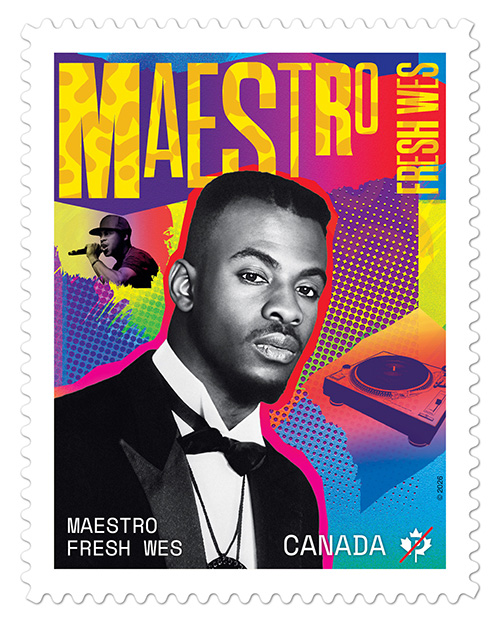
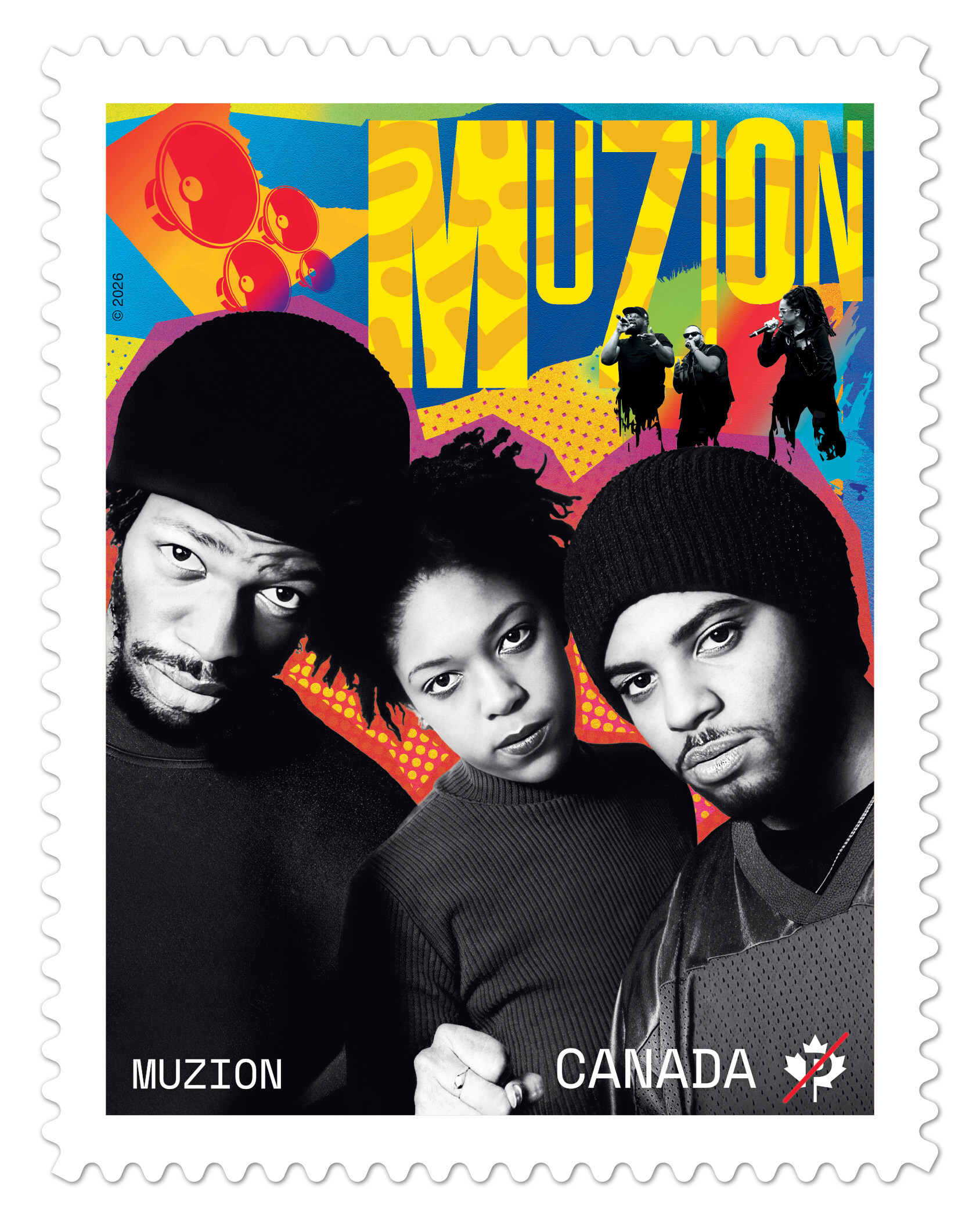
The new stamps honour Maestro Fresh Wes, Michie Mee, and Muzion, three trailblazers whose work laid the foundation for a distinctly Canadian hip-hop identity. Released just days before Black History Month begins, the timing feels intentional, placing Black Canadian cultural legacy at the centre of the national conversation.
 |
 |
 |
Marking hip-hop’s Canadian roots
For some, Canadian hip-hop has long existed in the margins of mainstream cultural memory, despite its deep influence at home and abroad. This stamp series pushes back against that erasure, recognizing artists who built space for themselves at a time when few platforms existed.
Canada Post’s honourees span regions, languages, and sounds, reflecting the diversity that has always defined Black Canadian music culture. From Toronto to Montréal, from English to French to Haitian Creole, the stamps tell a story of innovation born from lived experience.
Maestro Fresh Wes and the moment Canada heard itself rap
When Maestro Fresh Wes released Symphony in Effect in 1989, Canadian hip-hop crossed a threshold. “Let Your Backbone Slide” became the first Canadian rap song to go gold, and the album went platinum, milestones that reshaped industry expectations.
I remember catching an electrifying performance by Maestro at the old Spectrum concert hall in my hometown of Montreal (old school Montrealers know whassup), way back in the day, as "Let Your Backbone Slide" ruled the charts.
Maestro’s impact went far beyond chart success. His work helped legitimize hip-hop as an art form in Canada, opening doors for future generations. His later recognition, including induction into the Canadian Music Hall of Fame and the Governor General’s Performing Arts Award for Lifetime Artistic Achievement, cemented a legacy built on persistence and cultural pride.
First Rapper MC to achieve a postage stamp in a country. @MaestroFreshWes my bro is a hero appearing on a Canadian stamp. Know The Name. @hiphopgods pic.twitter.com/JzjF8xzHDn
— Chuck D (@MrChuckD) January 28, 2026
Michie Mee and rewriting the sound of the scene
Michie Mee has always refused to fit neatly into a box. Bursting onto the scene in the late 1980s, she brought Jamaican Patois, Caribbean rhythms, and fearless energy into Canadian hip-hop at a time when women MCs were rarely given space.
Who can forget hip hop legend Big Daddy Kane giving Michie Mee her flowers in the video below:
Her debut single, “Elements of Style,” made waves, and by 1988, she had become the first Canadian rapper signed to a major U.S. label. With Jamaican Funk – Canadian Style, she blended rap, dancehall, and reggae into a sound that felt global and rooted at once. Her later work with Raggadeath only reinforced her reputation as an artist unafraid to experiment.
Muzion and the power of multilingual expression
From Montréal, Muzion expanded the sound of Canadian hip-hop and its audience. Formed by J.Kyll, Imposs, and Dramatik, the group wove French, English, and Haitian Creole into socially conscious music that resonated far beyond Quebec.
Their albums Mentalité moune morne… (Ils n'ont pas compris) and J'rêvolutionne earned Félix Awards and critical acclaim, while tracks like “La vi ti nèg” became anthems of identity and resistance. Muzion’s influence extended into broader conversations about belonging, language, and the place of Black communities within Quebec and Canada.








Design that speaks the language of the culture
The stamps themselves carry as much intention as the artists they honour. Designed by Noël Nanton and Nadia Molinari of typotherapy, the set draws on the visual language of late 1980s and early 1990s hip-hop. Varied typography echoes rhythm and flow, while metallic silver accents, black duotone portraits, and fluorescent inks add depth and movement.
Printed using layered matte and gloss varnishes, the stamps glow under black light, a subtle nod to the era’s nightlife, album art, and visual experimentation. Each detail reinforces the idea that these are not nostalgic tributes, but living cultural markers.
A national acknowledgement that resonates
Issued as six Permanent stamps alongside three Official First Day Covers, with Toronto and Montréal serving as cancel sites, the release grounds hip-hop history firmly within Canada’s cultural geography. Stamps and collectibles became available nationwide on January 28, giving Canadians an opportunity to literally send this history forward.
For Black Canadians, especially those who grew up hearing these artists before institutions caught up, the moment carries emotional weight. Seeing hip-hop pioneers honoured by Canada Post signals broader recognition of Black cultural influence and creative leadership.
As Black History Month approaches, these stamps do more than commemorate the past. They affirm that Canadian hip-hop has always mattered, that its architects helped define the country’s cultural voice, and that their stories deserve a place in the everyday rituals of national life.