
Novartis Canada has launched the third edition of its Health Equity Initiative, this time focusing on women and gender-diverse people facing systemic barriers to healthcare. With $250,000 in new funding available for community-led organizations, the program brings its total investment to $1.45 million since 2024. Canadian non-profits committed to advancing women's health equity can apply before June 19, 2026.
When Novartis Canada launched its Health Equity Initiative in 2024, the goal was direct: fund the community-led organizations doing the hardest work in Canadian healthcare. Two editions later, the program has invested over a million dollars in real solutions, and the third edition doubles down with a sharper focus.
This year, the initiative turns its attention to women and gender-diverse people, a population that continues to face disproportionate, system-level barriers to timely diagnosis, respectful treatment and access to essential health services. With $250,000 in new funding now available for eligible Canadian non-profits, the program brings its cumulative investment to $1.45 million. The application deadline is June 19, 2026.
Why women's health equity, and why now
The barriers are well-documented. Women and gender-diverse individuals are more likely to have their pain dismissed, their symptoms misattributed, or their conditions diagnosed later than their male counterparts. These gaps are not accidental; they are baked into the social conditions that shape who gets care, when, and how they are treated when they seek it.
Novartis Canada's Country President, Dimitri Gitas, framed it plainly: "Reimagining medicine also means reimagining who benefits from it. This initiative shows how community-led solutions can turn lived experience into meaningful impact. This year, we are focusing our support on the areas where gaps persist and where these solutions can make the greatest difference."
The program's criteria reflect this urgency. Funded projects are expected to address both the social determinants of health, including housing, income and systemic racism, alongside the direct care experiences that determine whether people feel heard, believed and supported when they finally do access services.
Proven impact from the ground up
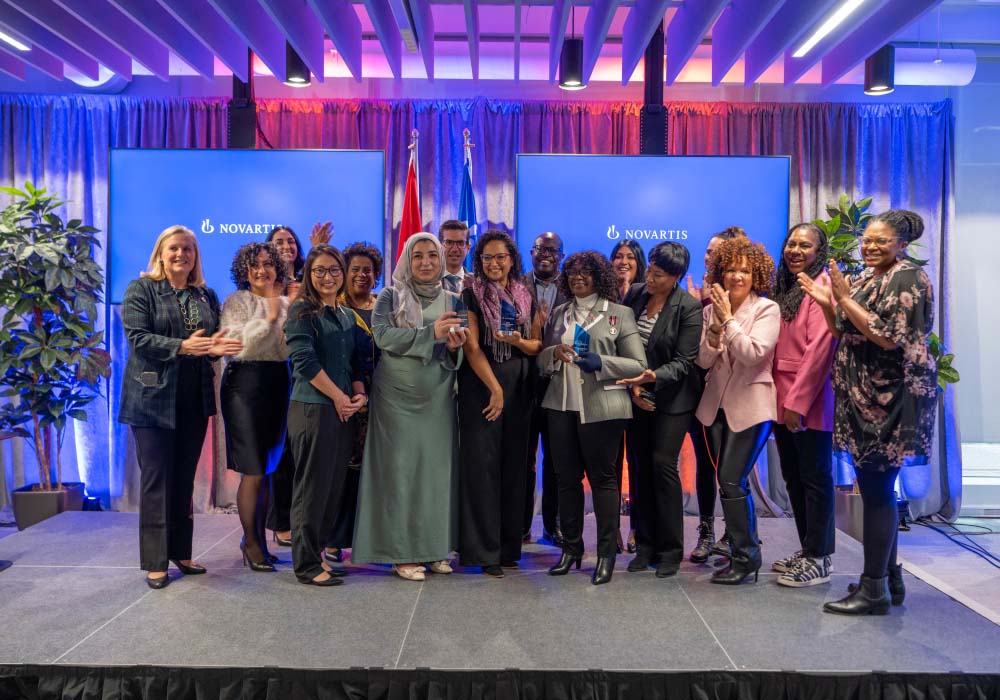
The initiative's credibility rests on what it has already accomplished. Since 2024, the program has backed six organizations tackling real-world barriers across mental health, Indigenous health, newcomer access to care and housing-related health determinants. The 2025 recipients offer a compelling picture of what targeted, community-grounded funding can achieve.
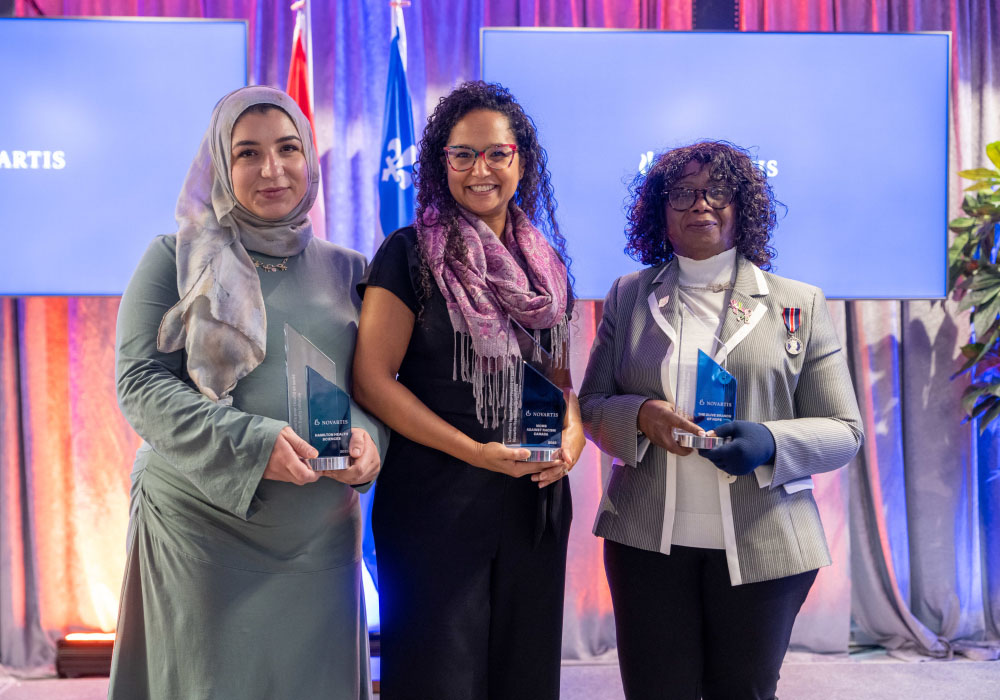
The Olive Branch of Hope, founded by Leila Nicholls-Springer, used its grant to develop culturally relevant programming for Black women affected by breast cancer. Through a combination of wellness initiatives, education, advocacy and community outreach, the organization expanded screening and early detection efforts while directly tackling systemic inequities. As Nicholls-Springer put it, the funding helped "remove barriers to access and improve outcomes" for a community often underserved by mainstream health systems.
In Hamilton, the funding supported Hamilton Health Sciences and Chief Health Equity Officer Rochelle Reid in scaling a social prescribing program that treats the root causes of poor health, not just its symptoms. The investment expanded staff capacity, grew referral pathways and piloted new approaches for equity-denied communities. Reid described the result as the ability to "transform innovative ideas into tangible, life-changing support for the people of Hamilton and the surrounding region."
Moms Against Racism Canada, led by founder and project director Kerry Cavers, used the grant to expand culturally responsive, trauma-informed and neurodiversity-affirming care. Crucially, it also supported research conducted with university students to document and understand systemic barriers, building the evidence base needed for lasting structural change. "This funding helped turn community pain points into real pathways to healing," Cavers said.
Political recognition at the federal level
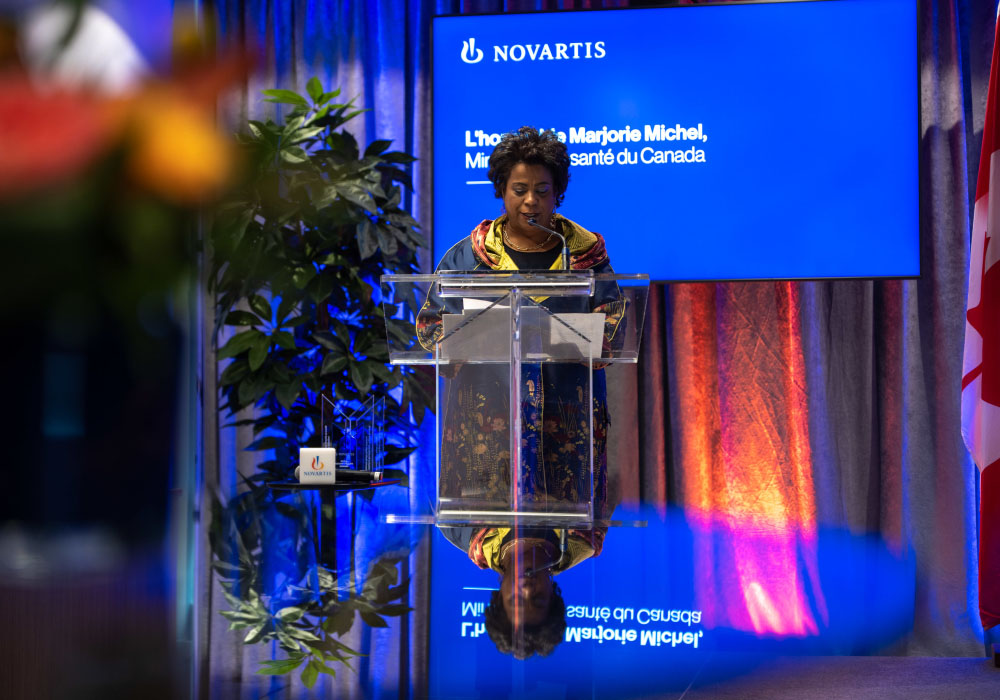
The initiative has drawn support beyond the corporate world. Federal Health Minister the Honourable Marjorie Michel attended the 2025 winners' announcement, calling it "a privilege." Her words underscored the alignment between the initiative's community focus and the government's broader commitment to building an inclusive healthcare system. "This program embodies our shared commitment to removing barriers to care," she said, adding that she looks forward to supporting the 2026 recipients.
That kind of political visibility matters. It signals that community-led health equity work is gaining mainstream recognition, and that funders who get there early are building something with real staying power.
How to apply
Canadian non-profit and charitable organizations working to advance women's health equity are encouraged to apply before June 19, 2026, at 11:59 p.m. EST. Applications are submitted through the Novartis Canada website at novartis.com/ca-en/esg/health-equity-initiative.
To be considered, organizations must demonstrate a clear commitment to addressing the barriers that prevent women and gender-diverse people from accessing timely, respectful and effective healthcare. Practical, community-grounded solutions are central to the program's mandate.
What this program gets right
What distinguishes the Novartis Health Equity Initiative from conventional corporate philanthropy is its architectural logic. Rather than funding broad awareness campaigns or one-time events, the program backs organizations that are already embedded in their communities, groups that understand the specific cultural, social and systemic forces shaping health outcomes for the people they serve.
The decision to focus this edition on women and gender-diverse people reflects both data and lived reality. These groups consistently face longer diagnostic delays, higher rates of medical dismissal and reduced access to specialized care. Addressing that requires more than awareness; it requires funding the organizations that are already on the ground, already trusted, and already doing the work.
Three years in, the Novartis Health Equity Initiative has established a track record worth paying attention to. For community organizations that have been building solutions without adequate resources, the June 19 deadline represents a genuine opportunity. The funding is meaningful, the program is credible, and the communities waiting on these solutions have already waited long enough.