
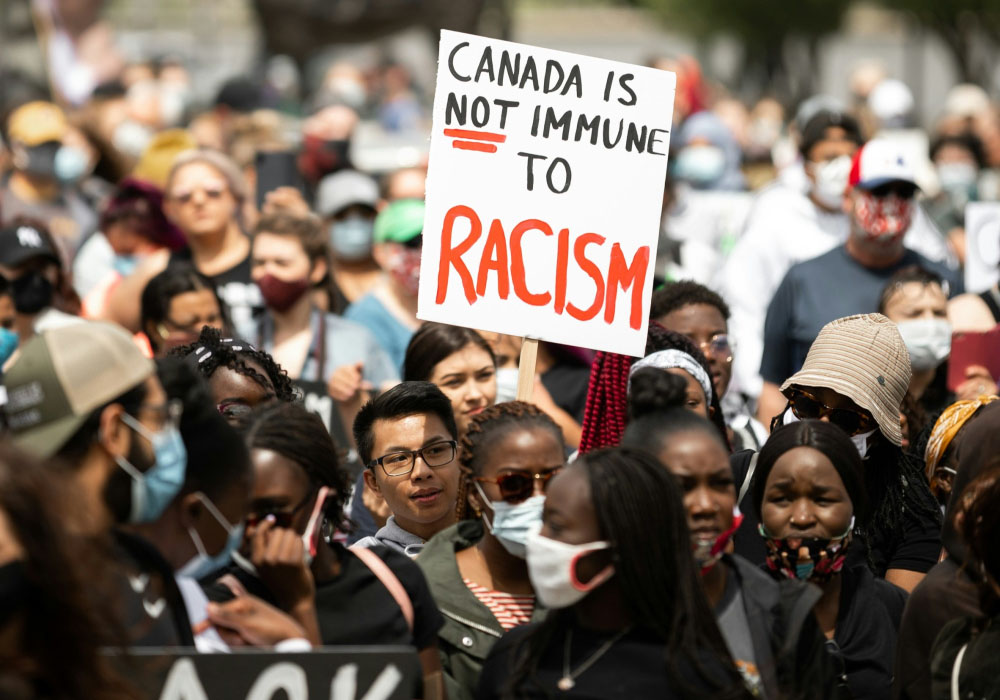
From Parliament Hill to community health centres, Black Canadian leaders have been quietly rewriting the rules of social justice for decades. Figures like the Honourable Dr. Jean Augustine and Rosemary Sadlier OOnt built the foundations that younger advocates now stand on. This article profiles the women, writers, educators, and organizers driving equity, representation, and systemic change across Canada — on their own terms, in their own voice.
For as long as Canada has existed, Black Canadians have been doing the work of making it live up to its own promises. Educators who became politicians, unpaid volunteers who lobbied governments for decades, journalists who quit their columns rather than stop protesting, and health advocates who built the only institutions of their kind in North America.
Their work spans Parliament Hill, university lecture halls, neighbourhood health centres, and social media platforms. What connects them all is a shared refusal to wait for permission, for recognition, or for the country to come around on its own.
This is the story of the contemporary Black Canadian pioneers of social justice. The people leading the charge right now, and those who built the road they walk on.
The architects of recognition
Jean Augustine: The woman who put Black history on the calendar
In 1993, Jean Augustine became the first Black Canadian woman elected to Canada's House of Commons, representing the Greater Toronto Area constituency of Etobicoke-Lakeshore. Before she arrived in Parliament, she had already spent decades embedded in community life. She served as National President of the Congress of Black Women of Canada, chaired the Metropolitan Toronto Housing Authority, and contributed to the development and launch of Canada's official multiculturalism policy in 1971.
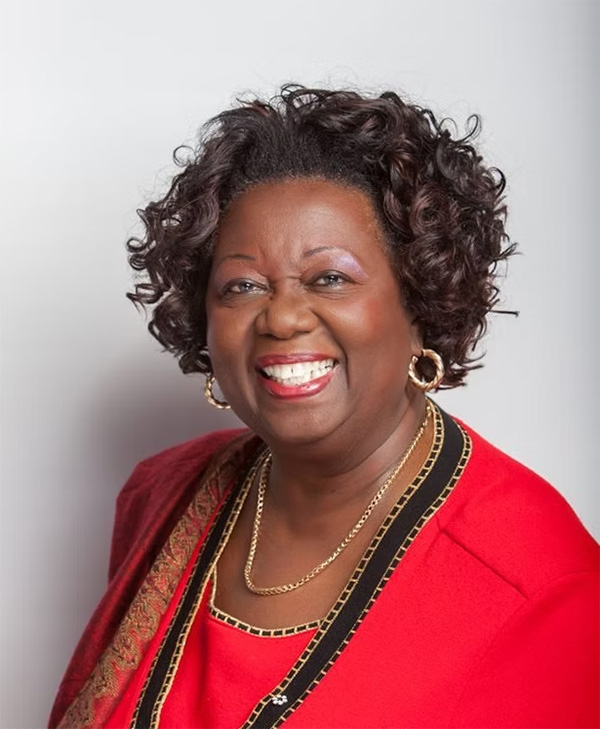
Her parliamentary achievements were immediate and lasting. One of her most notable achievements was spearheading the motion to officially recognize February as Black History Month in Canada, which received unanimous support in the House of Commons in 1995. She also served as the first Black woman in Cabinet in 2002, and was appointed the inaugural Fairness Commissioner by the Government of Ontario in 2007, a role she held until 2015.
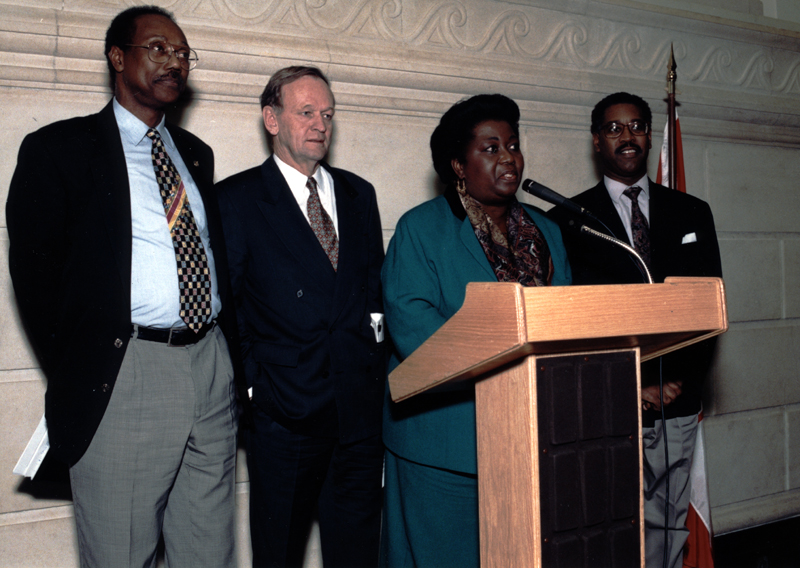
Augustine's legacy extends well beyond legislation. The Jean Augustine Centre for Young Women's Empowerment, established in 2014, offers free community programming for girls aged 7 to 17 in the Etobicoke-Lakeshore community, spanning culinary classes, financial literacy, leadership and STEM. A secondary school in Brampton carries her name. She received the Order of Canada, the Order of Ontario, and the Commander of the Order of the British Empire, among countless other honours. The Jean Augustine Chair in Education at York University is working toward a $3 million endowment to champion equity in the teaching workforce.
Her own words capture the spirit behind it all: "The work of justice is never finished, but it is always worth the fight."
Rosemary Sadlier: The historian who made Black history official
If Jean Augustine carried the motion to Parliament, it was Rosemary Sadlier who built the case for it from the ground up. For 22 years, Sadlier served as president of the Ontario Black History Society and was instrumental in the Government of Canada's 1995 proclamation of February as Black History Month. She did all of this as an unpaid volunteer, while raising three children and working full-time.
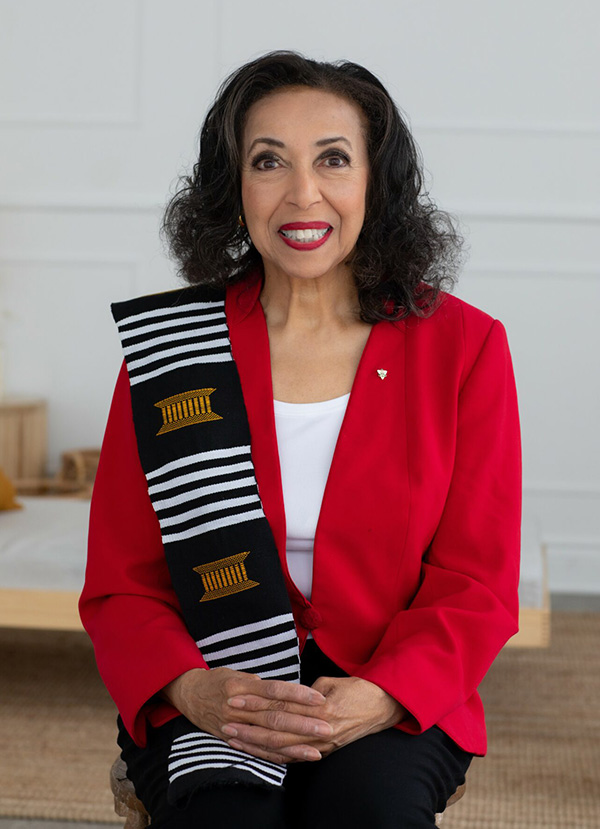
Her impact did not stop with February. Sadlier successfully secured municipal Emancipation Day commemorations in 1994, provincial commemorations in 2008, and national commemorations in 2021. She also lobbied for the establishment of a national day recognizing the Honourable Lincoln Alexander, which the House of Commons passed in 2014.
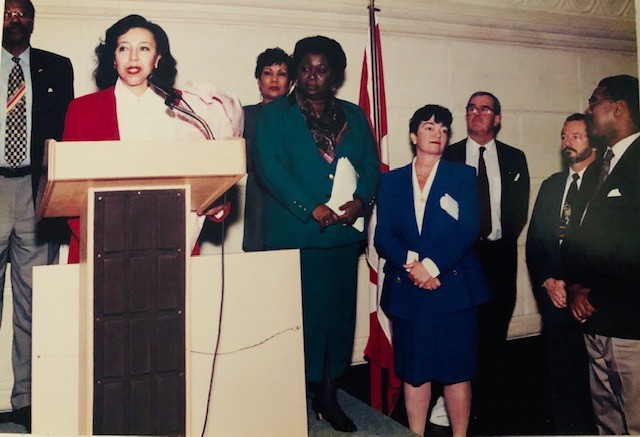
As an educator, Sadlier contributed to the development of the African Canadian curriculum and authored seven books on African Canadian history. Her research has taken her to international forums, where she has given deputations to the UN Rapporteur on Race Relations and worked as a consultant with the Royal Ontario Museum, the Canadian Museum for Human Rights, and the Bi-National Study of the Underground Railroad. In 2024, she received the Lifetime Achievement award from the Daniel G. Hill Human Rights Awards at the Ontario Human Rights Commission.
A sixth-generation Canadian with roots predating Confederation, Sadlier has spent her career insisting that Black history is Canadian history, and proving it, book by book, proclamation by proclamation.
The emerging voices
The generation building on these foundations is doing so with urgency, rigour, and reach. Their arenas are health systems, journalism, academia, and the courts of public opinion.
Desmond Cole: Journalism as refusal
Desmond Cole is a Toronto-based journalist and activist whose 2020 book The Skin We're In: A Year of Black Resistance and Power became one of the most significant works of Canadian nonfiction published in the past decade. The book chronicles a single year of Black resistance in Canada, dismantling the comfortable national myth that racism is an American problem.
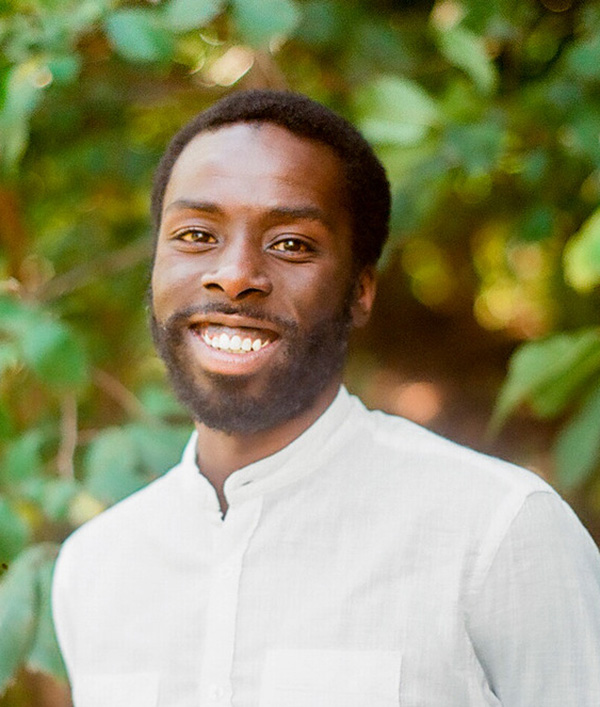
Cole had previously written a landmark 2015 piece for Toronto Life about his own experiences with police carding, which ignited a national conversation about racial profiling. He later resigned from his column at the Toronto Star after an editor told him that his attendance at a police board protest — where he demanded the destruction of carding data — violated company policy. He chose the protest. The resignation itself became a statement.
Cole's work sits at the intersection of journalism and direct action, rejecting the idea that Black writers must choose between the two. His voice remains among the most uncompromising in contemporary Canadian public discourse.
Dr. Notisha Massaquoi: Building health equity from the inside
For more than 30 years, Dr. Notisha Massaquoi has been an advocate for primary health care access in Black communities across Canada and for the rights of LGBTQ2+ refugees from Africa. She served for two decades as the Executive Director of Women's Health in Women's Hands Community Health Centre in Toronto, the only community health centre in North America to provide specialized primary healthcare for Black and racialized women.
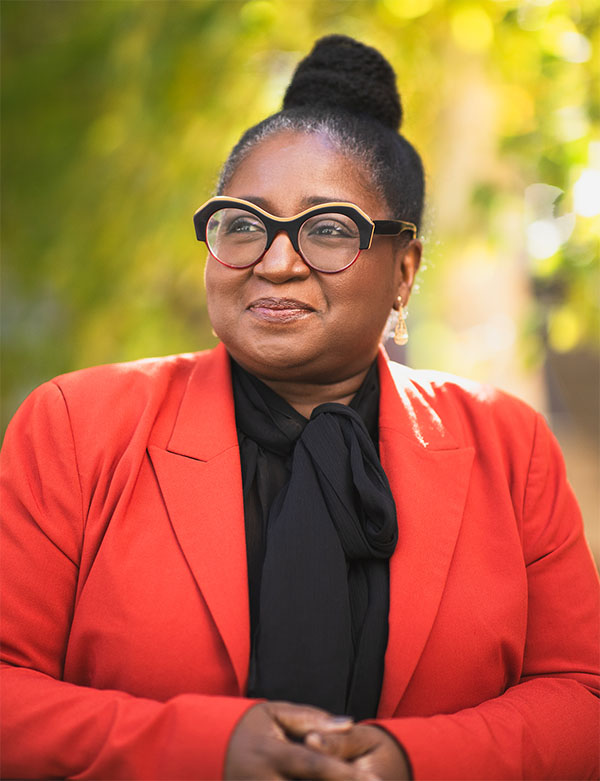
Her influence extends into policy and governance. Massaquoi co-chaired the Anti-racism Advisory Panel of the Toronto Police Services Board and was responsible for developing the first mandatory race-based data-collection policy for a police service in Canada. She is now an Assistant Professor at the University of Toronto Scarborough (UTSC) and founder and director of the Black Health Equity Lab, which conducts community-based research and develops advocacy tools to improve health outcomes for Black communities.
Her work is a reminder that health equity and social justice are inseparable, and that the systems affecting Black lives require people willing to reform them from within.
Robyn Maynard: Naming what Canada won't
Robyn Maynard's Policing Black Lives: State Violence in Canada from Slavery to the Present is taught in universities across Canada and the United States, and for good reason. It traces the structural roots of anti-Black racism in Canada with forensic clarity, refusing the easy comfort of comparison to the United States. Maynard's work positions Canada's history of slavery, segregation, and state violence not as a footnote but as a foundation, one that continues to shape Black lives in housing, child welfare, immigration enforcement, and policing today.
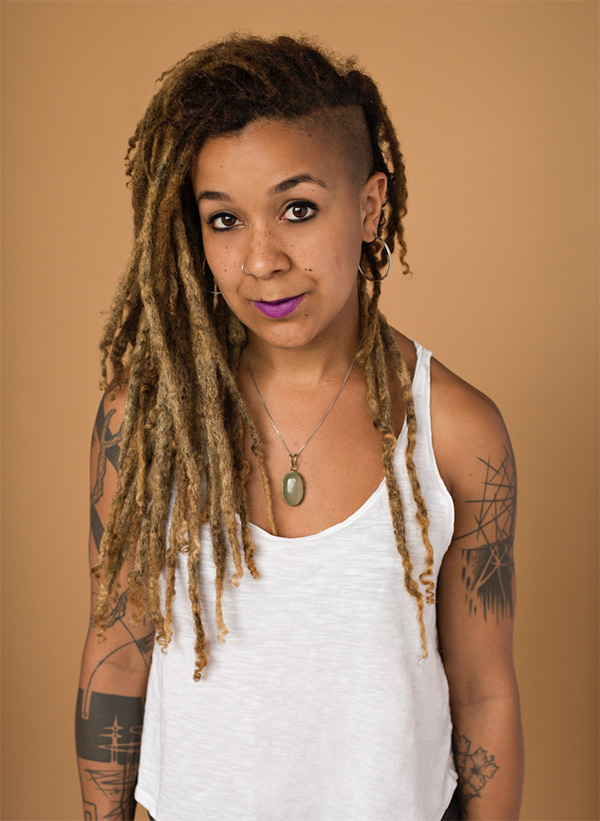
Her scholarship has helped reframe the public conversation around Black Canadian history and has given activists and educators a rigorous vocabulary for the work they are already doing on the ground.
Cultural impact: Art, media, and the power of representation
Social change in Black Canadian communities has never been purely legislative. It has always moved through culture, through galleries, stages, print, and screens. Artists and scholars have consistently extended what is possible for Black Canadians to claim.
Rinaldo Walcott, professor at the University of Toronto and author of Black Like Who?, has spent decades mapping the cultural landscape of Black Canada, examining how Blackness functions within and against the nation's multicultural frameworks. His work challenges the assumption that inclusion and equity are synonymous, arguing instead for a deeper reckoning with what it means to belong.
The visibility of Black Canadian cultural figures — in literature, film, visual art, and broadcast media — continues to expand. Writers like Esi Edugyan (twice a Giller Prize winner) and Ian Williams (Giller Prize winner for Reproduction) have brought Black Canadian stories to international audiences, reinforcing the breadth and depth of this community's creative output.
These cultural contributions matter for social justice because they shape the narratives through which people understand themselves and each other. Representation builds the empathy that policy alone cannot manufacture.
Policy and reform: The ongoing work
The legislative gains secured by Jean Augustine and Rosemary Sadlier created openings. Filling them has required sustained advocacy across several fronts. Among the areas where contemporary Black Canadian advocates continue to push for change:
- Race-based data collection: Advocates have fought for decades to collect disaggregated race-based data on health, policing, and education in Canada. Dr. Massaquoi's work to establish mandatory race-based data collection at Toronto Police is one concrete milestone in this long effort.
- Anti-Black racism in education: Curriculum reform, Black-focused schools, and the push to diversify the teaching workforce remain active fronts. The Jean Augustine Chair in Education at York University is one institutional response to this need.
- Emancipation Day recognition: After years of effort by Rosemary Sadlier, August 1 was officially recognized as Emancipation Day in Canada through federal legislation passed in 2021.
- Police accountability and reform: From carding to the use of force, Black Canadian activists and legal advocates have pushed for structural accountability in policing, with some wins and significant work remaining.
These are generational projects. They require people willing to stay in the room for decades, and people willing to stand outside it demanding to be let in.
Grassroots to institutions: The architecture of change
The work does not happen only at the national level. It is built, daily, in neighbourhood offices, school boards, community health centres, and nonprofit organizations across the country. The individuals profiled here are visible anchors of a much wider ecosystem of Black-led community organizations doing essential work in Toronto, Montreal, Halifax, Vancouver, and beyond.
What makes contemporary Black Canadian social justice work distinctive is its integration: the organizer and the scholar, the artist and the politician, the health advocate and the legal expert are often in the same room, working toward the same ends with different tools. This cross-sector fluency is a source of strength and a direct reflection of the community's understanding that change requires pressure on multiple fronts simultaneously.
Where the work goes next
The women and men described in this article have not retired from the work they started. Jean Augustine, now in her late eighties, continues to fundraise for her chair at York University and remains engaged in community life. Rosemary Sadlier continues to consult, speak, and advocate globally. A new generation of Black Canadian leaders in law, medicine, journalism, tech, and civic life is entering positions of influence, bringing with them both the inheritance of this legacy and a fresh set of demands.
Canada's Black communities are not waiting for the country to get around to recognizing them. We are building our own institutions, writing our own histories, training our own next generation of leaders, and changing the law through sheer persistence and unpaid labour. The story of Black Canadian social justice is one of extraordinary agency, exercised against considerable odds and over a very long time.
This legacy is living, active, and still being written. The work continues in classrooms, in courtrooms, in community health centres, and in the pages of books that future generations will read to understand what it took to build a more just Canada.
It has always taken exactly this: People who refused to stop.