London has one of the world's most dynamic African and Caribbean diaspora communities, and for Black travellers, the city rewards those willing to look beyond the postcards. From Brixton's cultural renaissance to the jerk-scented laneways of Peckham and Hackney's ever-evolving creative scene, this guide covers the restaurants, heritage sites, community hubs, and insider knowledge you need to experience London beyond the tourist trail.
London has always been a city that belongs, at least in part, to the African and Caribbean diaspora. The connections go back centuries, long before the Windrush generation arrived in 1948 and forever reshaped the capital's cultural DNA. Today, over 1.1 million Black people call London home, accounting for roughly 13% of the city's population, making it one of the most significant Black cultural centres in the world outside of the African continent.
This is a city where Trinidadian activists built festivals out of resistance, where Nigerian chefs earn Michelin stars in Fitzrovia, where Jamaican music became British music, and where communities from across the continent and the Caribbean have laid down deep roots. For Black travellers, especially those coming from Canada or the United States, London holds a particular resonance. There is something profound about landing in a city where Black identity sits so visibly at the centre of cultural life, where the murals, the music, the food, and the conversation all reflect something familiar and yet distinctly, excitingly different.
This guide is for the traveller who wants more than the landmarks. It's for anyone who wants to understand the city through its communities, its history, and the people who made it extraordinary.
Start in Brixton, the soul of Black London
Few neighbourhoods anywhere in the world carry the cultural weight of Brixton. For generations, this corner of south London has been the beating heart of Black British life, shaped by Caribbean immigration, political resistance, and an artistic spirit that refuses to be diluted. Walking along Coldharbour Lane or through the covered arches of Brixton Village, you feel it immediately. The energy is communal and unapologetically alive.
The neighbourhood's physical landscape tells its own story. The Black Cultural Archives, located at 1 Windrush Square, is the only national heritage institution dedicated to collecting, preserving, and celebrating the histories of people of African and Caribbean descent in the UK. Entry is free, and the opening hours are Tuesday to Saturday, 10 am to 6 pm.
The programme includes exhibitions on Black British history, community activism, and cultural identity. The building itself sits on Windrush Square, named after the ship that carried Caribbean workers to post-war Britain. That symbolic geography is no accident.
A short walk away, the murals of Brixton tell the story that official history sometimes glosses over. Look for the tribute to Olive Morris, the young Brixton activist and feminist who died at just 27, and who still inspires community organizing decades later. The streets here are a gallery in their own right.
Indulge your taste buds
For food, Fish, Wings & Tings, tucked inside Brixton Village, is a Trinidadian-owned Caribbean institution where the fish comes in salt-fritter form, the wings arrive slathered in sweet tamarind jerk sauce, and the menu rounds out with curried goat and a potent guava rum punch. It's casual, colourful, and reliably good.
For something more plant-based, Eat of Eden, also inside Brixton Village, has a cult following for its vegan soul food inspired by Caribbean flavours, with organic ingredients underpinning everything from herby chickpea curry to a creamy macaroni pie. Order the tasting platter if you're going with a group.
For something elevated and genuinely exciting, RapChar at 30 Brixton Water Lane is one of the most talked-about newcomers to Brixton's dining scene. Owner and chef Raymond Fowler brings a Caribbean infusion approach to the kitchen, with a menu built around bold Jamaican flavours and creative updates on the classics. Standout dishes include the Jamrock platter, ackee and saltfish croquettes, and a seafood platter that regulars return for specifically. The rum punch is excellent, the space is intimate, and the Sunday roast closes with plantain cake for dessert. Book ahead, particularly on weekends.
For food with deep West African roots, Chishuru deserves a mention here, even though it now operates in Fitzrovia, central London. Chef Adejoké Bakare built her name in Brixton before relocating, and in 2024 became the first Black female chef in the UK to win a Michelin star, and was named Chef of the Year at the National Restaurant Awards the same year. It's worth the trip across the city for a set-menu lunch or dinner. Book well ahead.
The real story of Notting Hill Carnival
Every August bank holiday weekend, an estimated two million people pour into the streets of west London for Notting Hill Carnival, Europe's largest street festival and one of the most significant cultural events in the African and Caribbean diaspora calendar. But the full story behind the carnival deserves more than a weekend highlight reel.
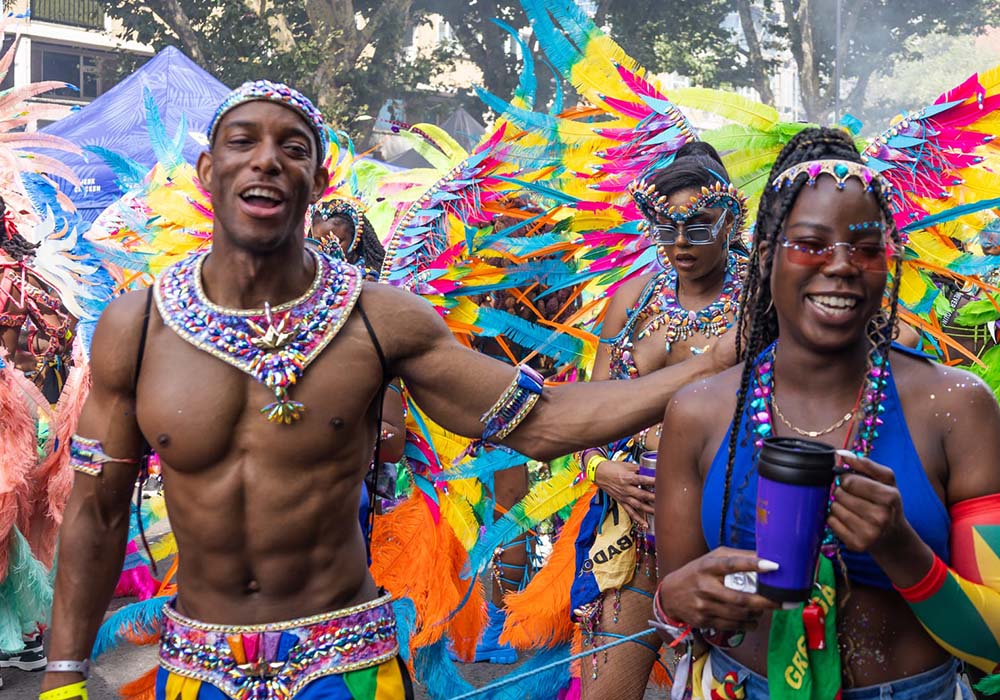
Notting Hill Carnival has its origins in Caribbean carnival traditions and the social and political conditions of post-1948 Caribbean migration. Race relations in the post-Windrush UK were appalling and deteriorating. Racially motivated violence against Black Londoners occurred throughout the summer of 1958 and culminated in the Notting Hill race riots.
Amid this hostile atmosphere, Trinidadian human rights activist Claudia Jones organized an indoor Caribbean carnival on 30th January 1959. She wanted to hold an event that would bring people together and celebrate Caribbean culture. Jones, also the founder of Britain's first major Black newspaper, The West Indian Gazette, understood that culture could function as a form of resistance and healing. Her indoor carnival is widely considered the spiritual origin of what Notting Hill Carnival became.
The 1966 Notting Hill festival was the street party that created the Notting Hill Carnival as we know it today, started by local social worker Rhaune Laslett. A Trinidadian musician, Russell Henderson, led his steel band through the streets of Portobello Road, and locals spontaneously joined. By the 1970s, the masquerade traditions of Trinidad's carnival, soca, calypso, dub, and reggae had all found their way into the event. By 1974, 100,000 people and a dozen bands were taking part.
In 2006, the UK public voted the Notting Hill Carnival onto a list of England's icons. That recognition matters because for decades, the carnival was treated with suspicion by local authorities and the press. Today, it stands as one of London's proudest cultural exports. If you're visiting London in late August, this is the experience to plan your entire trip around.
Peckham, where the energy is now
Peckham has undergone a genuine cultural transformation over the past decade, though long-time residents will tell you the creative energy has always been there. This south-east London neighbourhood is home to a large Nigerian and broader West African community, and its food and nightlife reflect that richness in full.
Few places capture that spirit better than Prince of Peckham. Owned by Clement Ogbonnaya, who grew up in the neighbourhood, it's notorious for being the pub that does it all: brunch, dinner, drinks, pop-up events, and live music every week. Ogbonnaya created it as a space where, in his own words, "old and new Peckham could co-exist, regardless of colour, class and sexual orientation." It has cocktails named after Burna Boy and Bloody Mariah, and a rooftop that fills up fast on warm evenings.
Beyond the food and nightlife, Peckham is an arts neighbourhood. Theatre Peckham runs an annual Young, Gifted & Black season celebrating young Black brilliance on stage, featuring new productions, poetry, and festivals such as the Sierra Leone Arts & Culture Festival. It's community theatre at its most vital, and visiting during that season (typically October) offers a window into where Black British performance is heading.
Rye Lane is worth a wander at any time of day. The high street mixes Caribbean bakeries, Nigerian hair and beauty suppliers, West African fabric shops, and independent cafés in a way that feels genuinely organic rather than curated. This is what a living diaspora neighbourhood actually looks like.
Hackney and Dalston, where culture lives on the walls
Head north-east and the creative energy shifts again. Hackney has one of the highest concentrations of Black Londoners in East London, with communities rooted in the Caribbean, West Africa, and beyond. In 2018, Hackney became the first local authority in the UK to pass a motion in support of the Windrush Generation, and the borough has since commissioned permanent sculptures honouring that legacy, including works by Turner Prize-winner Veronica Ryan OBE and Thomas J Price, located near Hackney Central station.
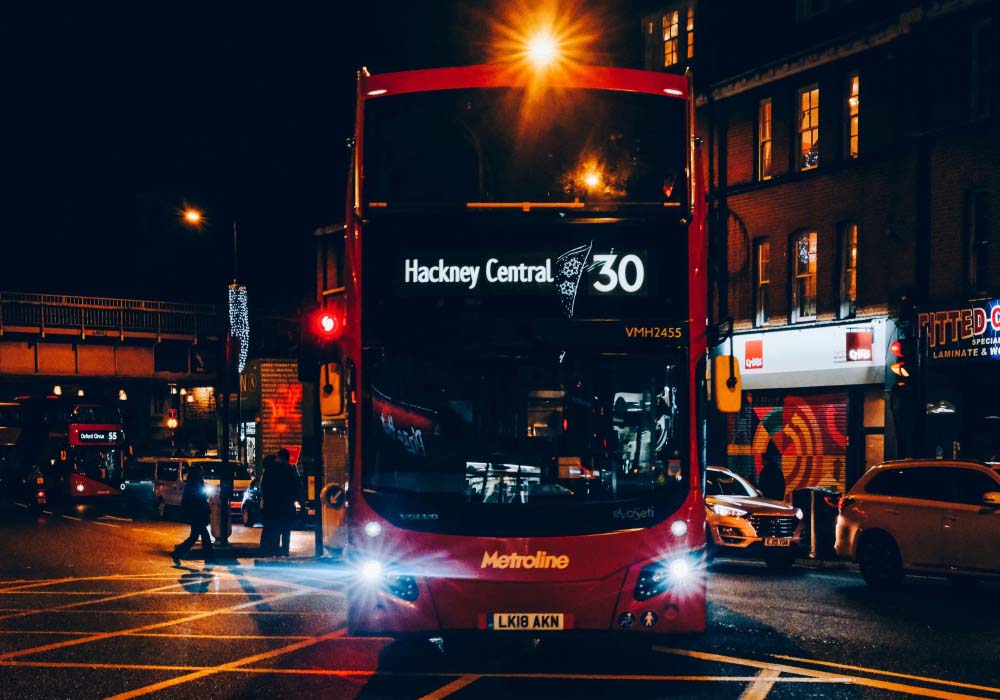
Hackney's Black History Season, now running year-round as Black History 365, shines a light on the borough's diverse African and Caribbean communities through carnival heritage, historic anniversaries, and the national theme of "Standing Firm in Power and Pride." Events run throughout the year and are largely free, ranging from film screenings and panel discussions to community walks and performances at venues like the Arcola Theatre.
Dalston, within Hackney, is one of the best places in London to find Black haircare products and services. Salons and barbershops here genuinely understand the full range of Black hair products. The strip along Kingsland Road also has some of the most varied African and Caribbean food options in the city, including Ewart's Jerk, housed in a shipping container in Dalston, serving some of East London's most legit jerk chicken, with smoky wings and perfectly rendered jerk pork on weekends.
Where to eat across the city, a quick reference
London's Black dining scene extends well beyond South and East London. Here's a snapshot of standout restaurants worth seeking out across different neighbourhoods:
| Restaurant | Location | Cuisine | Why go |
|---|---|---|---|
| Chishuru | Fitzrovia | Modern West African | Michelin-starred, set menu, extraordinary flavour |
| Chuku's | Tottenham | Nigerian tapas | Sharing plates by sibling founders; lively atmosphere |
| Fish, Wings & Tings | Brixton Village | Caribbean | Casual, iconic, reliably delicious |
| Prince of Peckham | Peckham | Caribbean-American | Pub, art space, live music, and excellent wings |
| 805 Restaurant | Old Kent Road | West African | Generational favourite; jollof, egusi, and more |
| RapChar | Brixton | Jamaican Caribbean | Elevated Jamaican cooking; seafood platters, curry goat, rum punch |
| Eat of Eden | Brixton Village | Vegan Caribbean | Organic, plant-based comfort food with Caribbean soul |
Always verify current opening hours directly with each restaurant before visiting, as hours and formats can shift.
Museums, art, and the cultural spots worth the detour
London's Black culture lives in its music, its street art, and its institutions, and some of the most rewarding experiences sit well outside the main tourist circuit.
The Horniman Museum in Forest Hill, south London, is one of the city's most underrated cultural destinations. It has a permanent gallery dedicated to African, Afro-Caribbean and Brazilian art, alongside a Music Gallery containing hundreds of instruments from around the world. In 2022, the Horniman made headlines when it returned 72 items to Nigeria's National Commission for Museums and Monuments, including Benin Bronzes that had been taken from the Kingdom of Benin. That act of repatriation matters, and the museum's ongoing commitment to representing African cultures with depth and care shows in its programming. Entry to the main museum is free, and it opens daily from 10:30 am to 5:30 pm. It is located at 100 London Road, Forest Hill, SE23 3PQ, about 15 minutes from London Bridge by train.
The National Portrait Gallery, recently reopened after a major renovation, holds portraits of Black British icons across sport, politics, music, and the arts. It's worth a visit specifically to see how Black British achievement has been documented, celebrated, and — in some periods — conspicuously absent from the national record. That tension is part of what makes it interesting. Entry to the permanent collection is free.
Less well known but equally significant is the George Padmore Institute in Finsbury Park, north London. Founded in 1991 by Trinidadian poet, publisher and activist John La Rose and a group of political and cultural activists connected to New Beacon Books, Britain's first Black publisher and bookshop, it is an archive, library, and educational resource centre housing materials relating to Black communities of Caribbean, African and Asian descent in Britain and continental Europe.
The collections document some of the most important campaigns of resistance organized by Black communities in Britain and Europe from the 1960s to the present, covering anti-racist, social, political, cultural, and economic struggles, with rare or unique material. The Institute also organizes conferences, courses, seminars, talks, and readings, and is open Monday to Friday, 10:30 am to 4 pm, at 76 Stroud Green Road, Finsbury Park, N4 3EN. Visits to the archive are by prior appointment, so contact the Institute in advance. For anyone with a serious interest in Black British history, this is one of London's most important and under-visited institutions.
Over in Shoreditch, the street art scene is constantly changing, but the walls here have long reflected the city's diversity, politics, and creative energy. Black artists and muralists have contributed significantly to what makes Shoreditch visually distinctive. The neighbourhood also has a growing number of Black-owned independent coffee shops and creative spaces worth seeking out. It pairs well with a visit to Brixton Village for a full day of culture across both ends of the city.
For book lovers, No Ordinary Bookshop and Museum is worth knowing about, though with one honest caveat: it is located at The Marlowes Shopping Centre in Hemel Hempstead, about 45 minutes from central London by train. The bookshop carries a diverse range of books from infancy to adulthood, celebrating Black voices and history, while the adjacent museum space features African-inspired art, cultural artifacts, and exhibits covering Black heritage, Windrush, music, and more. It's a genuine community resource and well worth the trip if you have an extra day or are travelling north out of the city. Visit noordinarybookshop.com for current hours and details before making the journey.
Practical notes before you go
A few things worth knowing before you land:
- Getting around: London's Oyster card or contactless bank card works on all buses, the Underground, and Overground trains. For south London destinations like Brixton and Peckham, the Overground and National Rail services are often faster than the Tube. Download Citymapper rather than relying solely on Google Maps; it handles London's multi-modal transit far better.
- Hair and beauty: Peckham and Dalston have the best range of Black haircare products and salons in the city. Mainstream pharmacies and supermarkets rarely stock products for natural or textured hair, so bring essentials or head straight to a store on arrival.
- Weather: London's reputation for rain is earned. Pack layers and a compact umbrella year-round.
- Safety: London is one of Europe's most multicultural cities, and most Black travellers report feeling comfortable across the vast majority of the city. Like any major urban centre, trust your instincts at night, stick to well-lit areas, and carry your ID.
- Black History Month: October in London means a city-wide programme of events, exhibitions, film screenings, and performances focused on Black history and culture. If your travel is flexible, this is arguably the best month to visit for cultural depth.
A city that holds your story too
London rewards the traveller who comes with curiosity and some historical context. This is a city built, in no small part, by the labour, culture, and creativity of African and Caribbean people, and the communities that live here have fought hard to make that contribution visible. From Claudia Jones organizing the first Caribbean carnival in 1959 to Adejoké Bakare earning her Michelin star in 2024, the throughline is one of resilience, excellence, and community.
For anyone who has ever felt the pull of diaspora, London has a particular kind of gravity. The histories here are complex, the communities resilient, and the culture alive in ways no guidebook can fully capture. Give it time. Walk further than you planned, eat somewhere new, stay long enough for the city to reveal itself on its own terms. The best version of London is always the one you find off the expected path.