
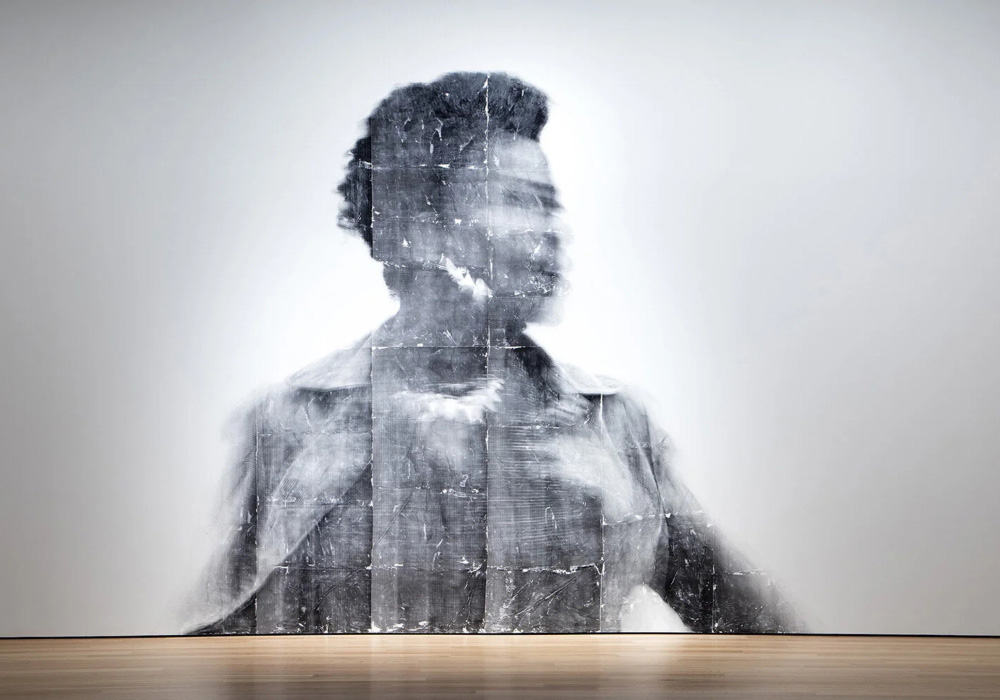
Toronto has a rich and growing ecosystem of Black-owned and Black-led art spaces that go far beyond the mainstream. From BAND Gallery's expanding presence across the city to the Nia Centre for the Arts in Little Jamaica, these institutions celebrate African diasporic creativity, support emerging artists, and build community. This guide explores the galleries, organizations, and cultural hubs shaping Toronto's vibrant Black art landscape right now.
Black artists in Toronto have always known how to build. From the earliest Caribbean and African communities putting down roots in this city, the creative culture we carried with us found expression in music, visual art, storytelling, and gathering. Over time, that creative energy organized itself into something more permanent in the form of institutions with addresses, mandates, and reputations earned over years of serious work. Toronto's Black art scene today is the product of that accumulated ambition. It reflects a community that is artistically confident, globally connected, and deeply rooted in its own sense of identity. This guide covers a small but prominent part of the spaces, the programming, and the people that make it real.
Whether you're discovering the scene for the first time or looking to go deeper, knowing where to go and what each space stands for makes all the difference. We cover the key institutions, their programming, and what to expect when you walk through the door.
The roots of the scene
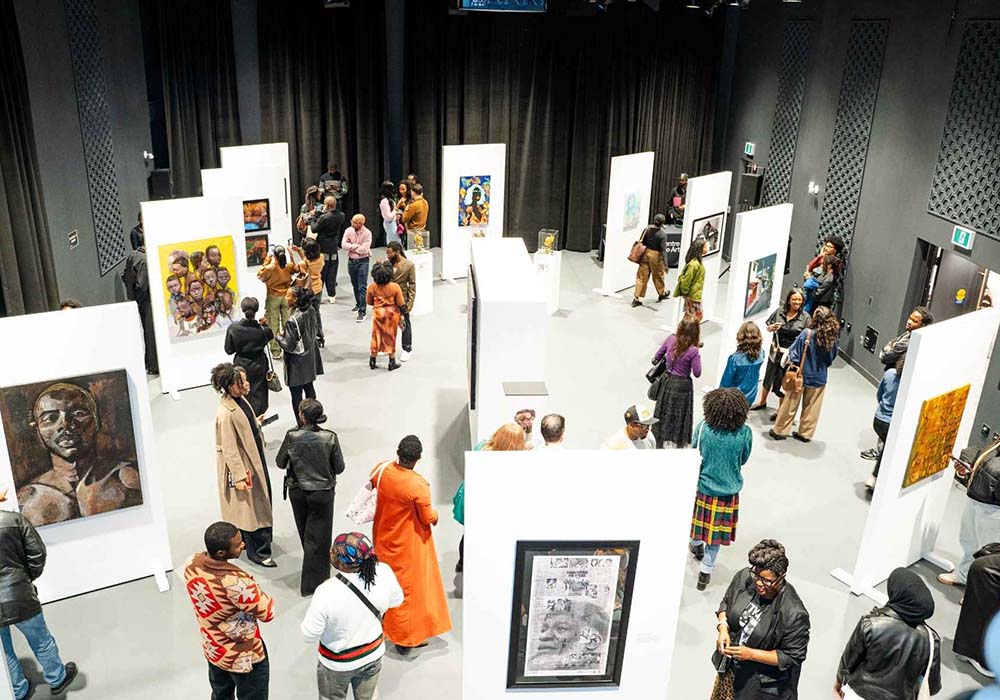
Toronto's Black art community did not emerge from nowhere. Caribbean migration in the 1960s and 1970s brought with it a rich tradition of oral storytelling, visual art, and music. Early cultural events, community festivals, and informal gatherings created space for Black artists to connect and show their work at a time when institutional galleries remained largely closed to them. That friction was generative. Artists organized, built networks, and eventually created their own institutions. Those institutions are the ones still standing today, still expanding, and still drawing new generations into the conversation.
The 1990s marked a turning point. Black artist collectives began to formalize, exhibition series focused on African and diasporic identity gained traction, and community arts programming created pathways for younger artists. By the early 2000s, several dedicated organizations had taken root, each with its own mandate, community, and approach to the work. The spaces that exist today are the direct descendants of that organizing era.
The galleries and spaces to know
Toronto's active Black art landscape currently centres around a small number of deeply committed institutions. Each brings something distinct to the table in terms of programming, audience, and vision for what Black art can do in a city like this.
BAND Gallery and Cultural Centre
Since 2010, the Black Artists’ Networks In Dialogue (BAND) Gallery has hosted exhibitions, performances, workshops, and talks, serving as a hub for cultural expression, dialogue, and cross-cultural exchange. In 2016, the organization found a permanent home at 19 Brock Avenue in Parkdale, housed in a Victorian building that supports a range of programming, from solo exhibitions in the gallery to intimate backyard garden concerts.
That Victorian house is now at the centre of an ambitious transformation. BAND is reimagining every corner of the building, from the basement to the attic, creating a multi-functional space with museum-grade galleries, expanded accessible community areas, new artist studios and workshop spaces, a resource library, and a pollinator garden.
The design has been developed in partnership with project architect Dami Akinbode from Diamond Schmitt, exploring how to unite the Victorian with the contemporary to create a space that feels both like home and like somewhere people can journey through to experience the fullness of Black creativity and art.
The renovation is community-funded as much as institution-funded. BAND's Brick by Brick Legacy Initiative invites individual donors to fund a brick for $500, with their name etched permanently on the building's exterior. Major supporters include the Canada Cultural Spaces Fund, the Ontario Trillium Foundation, Scotiabank, and Partners in Arts.
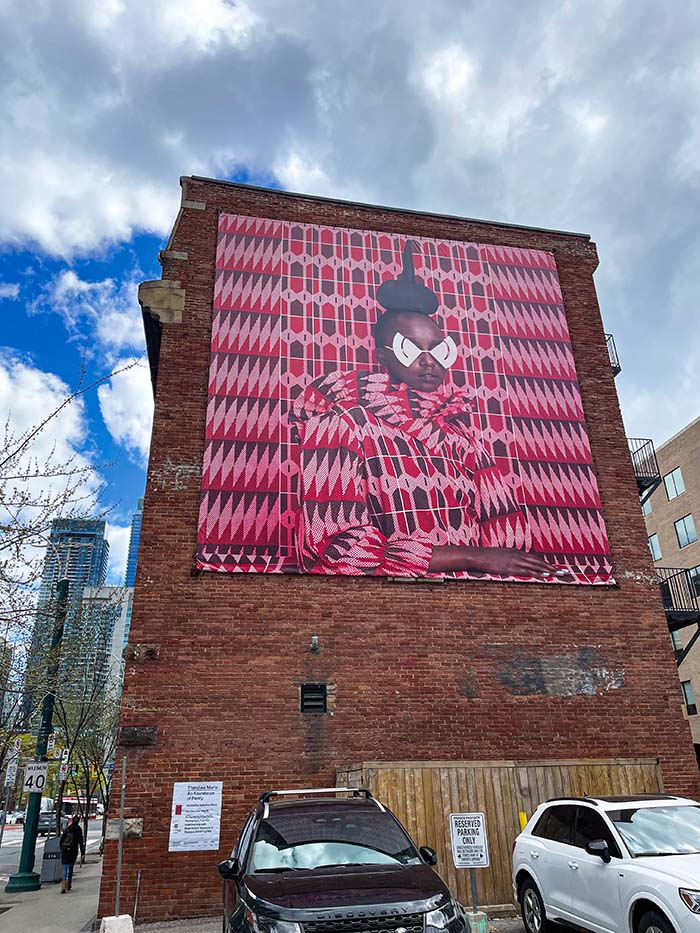
While 19 Brock Avenue is closed during construction, BAND continues programming through off-site locations across the city. Check bandgallery.com for current exhibition locations and hours before visiting.
Nia Centre for the Arts
Nia Centre for the Arts is a charitable organization that advances Black artistic expression, with a space at 524 Oakwood Avenue that serves as Canada's first professional Black arts centre. Located in the heart of Little Jamaica, the Centre brings together a multi-purpose performance theatre, exhibition galleries, a digital media lab, and a youth hub under one roof.
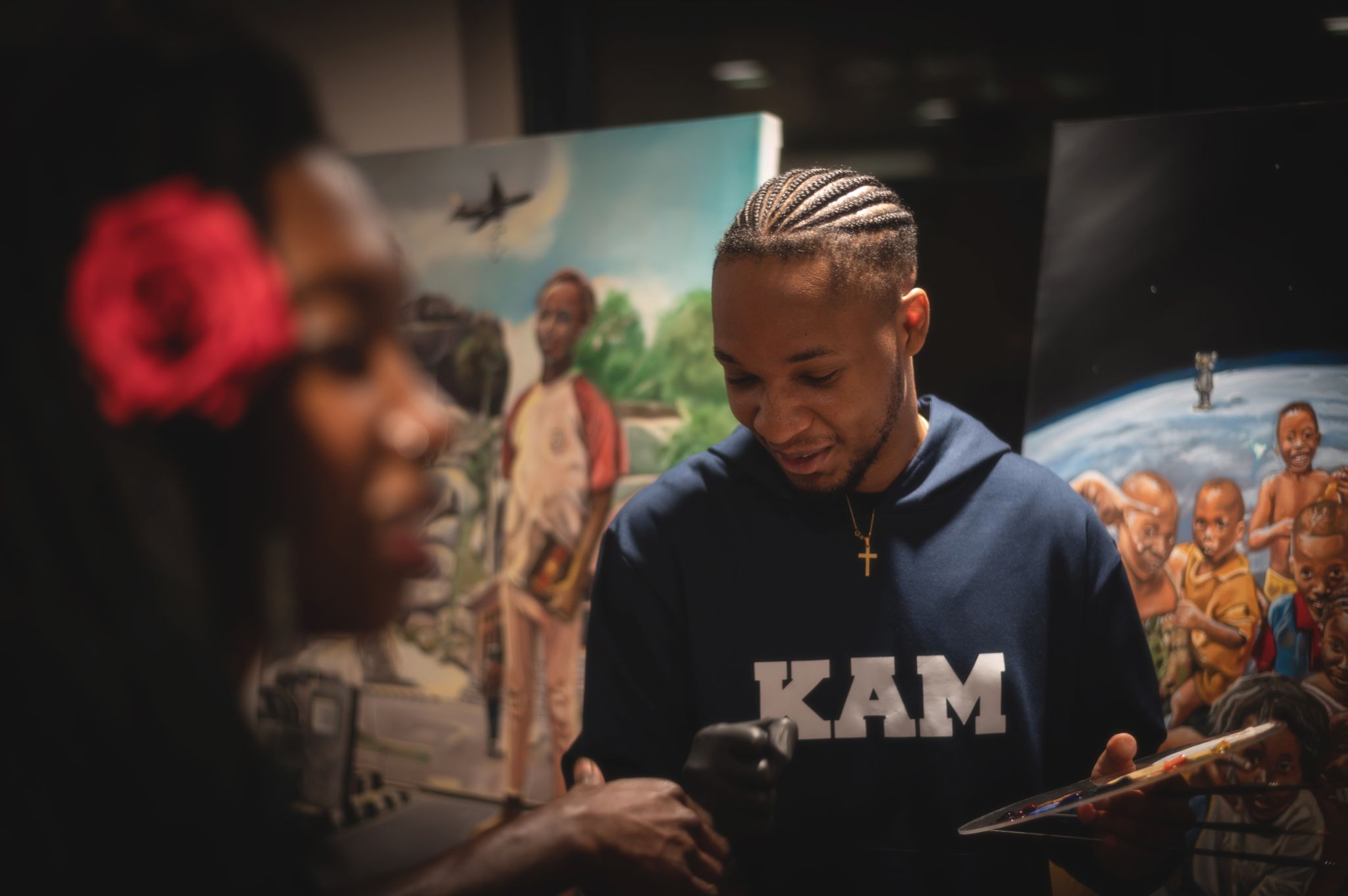
Nia Centre hosts the annual A Black Art Fair, a multidisciplinary exhibition showcasing the work of Black Canadian visual artists from across the country. The 2024 edition showcased work by 26 visual artists, with more than 500 community members attending to see 49 artworks spanning painting, photography, textile, collage, and sculpture. Thirty-seven of the 49 artworks sold, and 10 featured artists sold out all their work.
The Centre runs year-round programming for artists at every stage, from youth workshops in partnership with local school boards to professional development programs for mid-career and established artists. Its Artist-in-Residence program gives selected artists dedicated studio time in a community setting rather than isolation.
The Centre is located in the heart of the Oakwood-Vaughan Village, steps from Little Jamaica, a historically Caribbean neighbourhood with a rich artistic history. That geography is intentional. The building at 524 Oakwood Avenue was once a ballroom where reggae, calypso, and soca performers played for the neighbourhood. The Nia Centre continues that tradition of gathering, now through visual art, performance, and creative education.
What to expect at Nia Centre:
- Rotating exhibitions featuring Afro-diasporic visual artists
- Annual Black Art Fair (typically held in the fall)
- Youth programs, workshops, and school partnerships
- Digital media labs and recording studios for artists in residence
- Performances and community events throughout the year
Hours are Monday to Friday, 1 p.m. to 6 p.m. Visit niacentre.org for the current exhibition schedule.
Wedge Curatorial Projects
Wedge Curatorial Projects was established in 1997 in Toronto by Dr. Kenneth Montague, a Toronto-based dentist, art collector, and founding director. Since then, Montague has been promoting both emerging and established artists through exhibitions, lectures, and workshops, with a focus on African Canadian and diasporic art.
Unlike a traditional gallery with a fixed address and open hours, Wedge operates as a curatorial organization, mounting exhibitions in partnership with institutions across Toronto and internationally. For over 25 years, Wedge Curatorial Projects has worked with local and international organizations to create original exhibitions, collaborate with guest curators and artists, host lectures and educational programs, publish books, and develop programming that speaks to youth about shaping their own identity.
The Wedge Collection is one of Canada's largest collections of emerging Black artists. Montague's photobook As We Rise: Photography from the Black Atlantic, published by Aperture Foundation, drew international attention to the collection and remains a landmark document of Black photographic practice.
Wedge exhibitions appear throughout the city at various partner venues. Follow Wedge Curatorial Projects online to stay up to date on where and when their next show will be.
Art styles, mediums, and what's trending
Toronto's Black art spaces showcase an extraordinarily wide range of practices. A few currents stand out right now.
Photography has long been central to the scene. From Wedge Curatorial Projects' earliest exhibitions of Black photographers to CONTACT Photography Festival collaborations with BAND Gallery, the medium carries particular weight as a tool for documenting identity, community, and history. Mixed media work that combines traditional craft techniques with contemporary materials is increasingly present across all three major venues. Textile-based work, including weaving and beadwork rooted in African diasporic traditions, appears regularly alongside painting, sculpture, and digital practice. Community-engaged, installation-based work that invites audience participation has also grown, reflecting a broader commitment to making art accessible rather than simply observed.
Annual events worth planning around
Toronto's Black art calendar features several recurring events that draw large audiences and offer real opportunities to buy work directly from artists.
| Event | Typical timing | Venue |
|---|---|---|
| A Black Art Fair | Fall (October/November) | Nia Centre for the Arts |
| CONTACT Photography Festival | May | Various, including BAND |
| Art Toronto | October | Metro Toronto Convention Centre |
A Black Art Fair is the most community-centred of these. It is specifically designed to connect artists directly with buyers, with price points accessible to first-time collectors. BAND regularly participates in Art Toronto, the city's major annual contemporary art fair, bringing its represented artists to a broader audience.
How to support Black artists in Toronto
Buying art directly from these spaces is the most immediate form of support available. When you purchase from BAND, Nia Centre's Black Art Fair, or through Wedge-connected events, the money flows directly to the artist and to the organization sustaining the ecosystem.
Beyond buying, there are other meaningful ways to engage:
- Attend openings, artist talks, and panel discussions (most are free or low-cost)
- Volunteer with BAND or Nia Centre during major exhibitions and events
- Become a monthly donor to BAND Gallery, which is actively fundraising for its renovation
- Partner with these spaces if you represent an organization seeking sponsorship opportunities or community engagement
- Follow and share their social media to expand their reach
Visiting: Neighbourhoods and practical tips
Toronto's active Black art spaces are concentrated in a few distinct areas, each worth exploring on its own terms.
| Location | Space | Getting there |
|---|---|---|
| Parkdale (19 Brock Ave) | BAND Gallery | Streetcar along Queen West, then short walk north |
| Little Jamaica (524 Oakwood Ave) | Nia Centre for the Arts | Eglinton bus or Crosstown LRT (Oakwood station) |
Both neighbourhoods reward extended visits. Parkdale has a thriving food scene, and Little Jamaica's Eglinton West strip carries decades of Caribbean cultural history in its shops, restaurants, and murals.
A few practical notes: Check websites before visiting, as temporary closures and pop-up locations are common, especially for BAND during its renovation period. Many events sell out, particularly Nia Centre's Black Art Fair. Sign up for newsletters from both organizations to get early notice.
Where the scene is headed
Toronto's Black art landscape is at a pivotal moment. BAND is building a permanent, accessible, multi-functional home that will significantly expand its capacity. Nia Centre continues to grow its programming and audience. Wedge Curatorial Projects continues to bring international artists and perspectives into Toronto's cultural conversation. A new generation of artists and curators is moving into leadership roles across all three organizations, bringing fresh visions of what Black art institutions can look like and who they serve.
What makes this moment distinct is the accumulated weight of decades of organizing, advocacy, and community building. These spaces did not arrive fully formed. They were built by artists and administrators who refused to wait for mainstream institutions to make room. The result is an ecosystem with its own rhythms, its own economy, and its own aesthetic values, one that draws from the African continent, the Caribbean, the United States, and the Canadian experience simultaneously.
Visiting these spaces is a chance to witness something in motion. The art on the walls matters, but so does the institution itself, proof that sustained cultural work by and for Black communities produces something lasting. Toronto's Black art scene has deep roots and serious momentum. The best time to engage with it is now.